The countdown has begun. On Sunday 5 April 2026, families and friends will gather to celebrate Easter, a spring festival synonymous with renewal, sharing and, of course, food. While tradition often honours Easter lamb, chocolate eggs and the season's first asparagus, one crucial question comes up every year when setting the table: which wine should you serve with such a feast?
Long confined to the aperitif or dessert, champagne now claims its place as king of the table. In 2026, the trend is more than ever for "all-champagne" meals. And for good reason: the diversity of Champagne terroirs, the richness of the blends and the precision of the vintages allow remarkably accurate food pairings, able to enhance both the delicacy of a scallop and the power of a seven-hour leg of lamb.
But faced with so many labels, how do you choose? Should you go for a Blanc de Blancs with the starter? Which vintage should you dare with the lamb? At Le Caveau des Pépites, we have selected the cuvées that will make your Easter 2026 lunch an exceptional moment.
Why champagne is the perfect match for an Easter meal
Easter is a time of transition. We leave behind the rich dishes of winter to welcome the first spring vegetables. This turning point calls for wines with energy and liveliness, but also structure. That is exactly the definition of a great champagne.
Champagne's main strength lies in its natural acidity and its bubbles. At the table, the bubbles act as a palate "cleanser". After a rich mouthful (a creamy sauce, foie gras or fatty lamb), champagne refreshes the taste buds and prepares them for the next bite. Unlike a tannic red wine that can sometimes weigh down an already generous meal, champagne brings welcome lightness and unmatched festive elegance.
The aromatic range of champagne is also immense. From the floral, lemony notes of Chardonnay to the red fruit and spice aromas of Pinot Noir, and the brioche and toasty touches brought by ageing on the lees, there is a champagne for every dish on your Easter menu.
Our pick for this article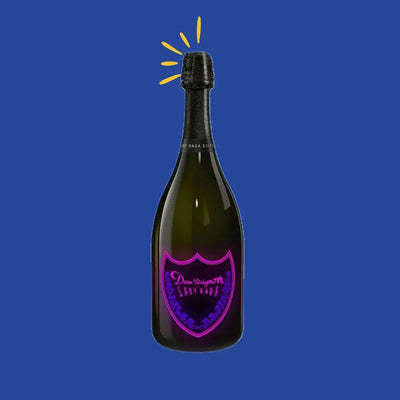
How to choose your champagne for Easter
To get your pairings right, it is essential to understand the main families of champagne. Here are the keys to choosing the right bottle for your menu on 5 April:
- Blanc de Blancs (100% Chardonnay): the champagne of elegance and finesse. With its notes of citrus and white flowers and its chalky minerality, it is the ideal companion for seafood and vegetable starters. It is the choice for freshness.
- Blanc de Noirs or Pinot Noir-led blends: more structured and vinous, they offer aromas of red fruit, ripe apple and sometimes forest floor. These are food champagnes, able to stand up to white meats and poultry.
- Rosé champagne: often forgotten at the table, rosé (especially saignée rosé or blends with a good share of red wine) has a light tannic structure and small red fruit aromas that work wonders with lamb or fruity desserts.
- Vintage and prestige champagne: these wines are only made in great years. They have benefited from long ageing in the cellar, developing tertiary aromas (honey, dried fruit, roasted notes, spice). They are complex food wines, perfect for elaborate main courses.
Champagne and Easter food pairing guide 2026
Have you planned your menu? Here is how to match it with our bubbles.
1. Aperitif: a spring appetiser
To start, avoid champagnes that are too vinous or too sweet, which would tire the palate. Go for freshness. A well-made non-vintage Brut or a Blanc de Blancs will be perfect.
The ideal pairing: cheese gougères, smoked salmon blinis or pea and fresh mint verrines. The champagne's liveliness will whet the appetite.
2. Starter: asparagus, eggs and shellfish
The Easter starter often features eggs (mimosa, en cocotte) or asparagus. Asparagus is known to be hard to pair with wine because of its vegetal bitterness. Champagne is one of the few possible answers! Its acidity embraces the vegetal notes without clashing. For scallops or warm oysters, a great mineral Blanc de Blancs is a must.
3. Main course: Easter lamb
This is the challenge of pairing champagne and lamb. Lamb is flavourful, with a rich, melting texture. Here, forget light champagnes. You need power, body and vinosity.
Choose a Pinot Noir-led vintage champagne or a rosé with character. The structure of Pinot Noir will match the fibre of the meat, while the bubbles cut through the fat of the jus or sauce. The slightly spicy notes of an older vintage will go beautifully with thyme, rosemary or confit garlic.
4. Cheese and dessert
With a Chaource or a truffled Brie de Meaux, champagne is far better than red wine. For dessert, beware of chocolate! Dark chocolate is the enemy of dry wines because it accentuates bitterness. If you are serving a very chocolatey dessert, choose a Demi-Sec champagne or a very fruity, generous rosé. With a strawberry tart or a red fruit vacherin, a vintage rosé will be the high point of the meal.
Our champagne selection for Easter 2026
To help you choose, we have dipped into our cellar to pick four absolute gems. Bottles that tell a story and will turn your Easter meal into an unforgettable memory.
1. The absolute icon: Dom Pérignon Rosé 2006 Luminous x Lady Gaga
For Easter, go for something spectacular. This limited edition, born from the collaboration between Dom Pérignon and the artist Lady Gaga, is a work of art as much as a great wine. Its illuminated label will cause a sensation on your table, but it is what is inside that matters.
It is a vintage rosé champagne at its peak. The skilful blend of Pinot Noir and Chardonnay offers vibrant tension. You find notes of red fruit, dried flowers and the famous smoky minerality that is the house signature. On the palate, the texture is silky, almost sensual.
The perfect Easter pairing: a seven-hour leg of lamb with garrigue herbs. The aromatic power of the Dom Pérignon will wrap around the slow-cooked meat for a match of great intensity.
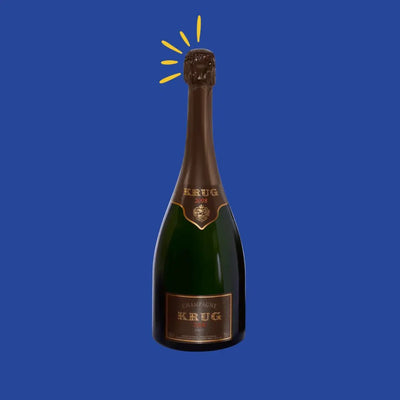
2. The legend: Krug Vintage 2008
If you are looking for the ultimate in excellence for your Easter 2026 meal, look no further. The 2008 vintage is considered by experts to be one of the greatest in Champagne's recent history, and Krug delivers one of its most masterful interpretations.
Made from 53% Pinot Noir, 25% Meunier and 22% Chardonnay, this wine spent more than 10 years in the cellar. It shows extraordinary complexity: toasted hazelnut, acacia honey, buttered toast and candied citrus. Despite this richness, it keeps a "luminous" freshness and an inimitable creamy texture.
The perfect Easter pairing: serve it with Breton lobster roasted in salted butter or a salmon coulibiac. It is a wine for contemplation that can also accompany a 36-month aged Comté.
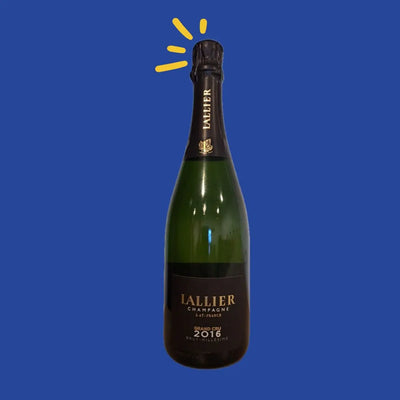
3. Pure elegance: Lallier Grand Cru 2016
For lovers of purity and minerality, the Lallier house offers a vintage champagne from villages classified Grand Cru. The 2016 vintage shows remarkable balance.
The nose is an invitation to spring: candied lemon, linden blossom, flint and a touch of fresh brioche. On the palate, the attack is clean, straight and chiselled, with a saline finish that makes your mouth water.
The perfect Easter pairing: it is the king of starters. It will enhance warm oysters with champagne sabayon, scallop carpaccio or, the ultimate challenge, your green asparagus with mousseline sauce.
4. The height of refinement: Cristal Louis Roederer 2016
Regularly cited among the greatest Champagne houses, Louis Roederer embodies perfection. Its legendary cuvée, Cristal, originally created for Tsar Alexander II, is a masterpiece of biodynamic viticulture.
The 2016 vintage is sunny and concentrated. It offers aromas of candied pear, fresh almond and citrus zest, with a unique powdery, chalky texture. It is a wine of clockwork precision, powerful yet airy.
The perfect Easter pairing: its versatility is its strength. It can accompany the whole meal, from the aperitif to a Bresse chicken with morels. It is the ideal gift to bring if you are a guest.
Note also that for those who like pairings with pink lamb, a rosé champagne from Dom Pérignon or Ruinart is a bold, fruity alternative that will delight guests looking for something original.
Our tips for serving champagne at Easter
Having an exceptional bottle is one thing; serving it well is another. Here are the golden rules so you don't spoil your great wine:
- Temperature: don't serve your great champagnes ice-cold. Cold numbs the aromas.
- For a fresh, mineral champagne (Lallier): 8 to 9 °C.
- For a complex vintage (Krug, Dom Pérignon, Cristal): 10 to 12 °C is ideal to let the wine express itself.
- The glass: avoid the coupe (the bubbles escape) and the overly narrow flute (the nose is trapped). Use a wide tulip glass or even a Burgundy white wine glass. Your champagnes need air to release their complexity.
- Decanting? It is an expert's move, but give it a try! For a dense wine such as Krug 2008 or Cristal, decanting the champagne 15 to 30 minutes before serving (gently, so as not to break the bubbles) can reveal unexpected aromas.
- Order of service: always build up in intensity. Start with the youngest and freshest (Lallier), continue with the most complex (Dom Pérignon, Cristal) and finish with the richest (Krug).
Conclusion
Easter 2026 is the perfect opportunity to rediscover champagne not just as a festive drink, but as a great food wine. By choosing the right cuvée for the right dish, you offer your guests an unforgettable sensory experience.
Whether you are drawn to the mineral freshness of a Chardonnay or the legendary power of a Krug, remember that the best champagne is the one you share with the people you love.
Ready to stock your cellar? Browse our full champagne selection and enjoy fast, careful delivery.
Alcohol abuse is dangerous for your health. Please drink responsibly.