Short answer: a natural sweet wine such as Banyuls or Maury, a port, or a spirit aged in sherry casks. Brut champagne fails with chocolate: it doesn't have enough sugar and will taste sour and metallic.
To see our selection, visit our spirits.
Why it's the most difficult pairing
Chocolate combines everything that disrupts a wine.
- The bitterness of cocoa: it adds to the bitterness of the tannins and becomes unpleasant.
- The fat of cocoa butter: it coats the palate and dulls perceptions.
- Sugar: if the wine is less sweet than the dessert, it tastes sour and thin.
- Aromatic power: chocolate dominates almost all wines.
The absolute rule
The wine must be sweeter than the dessert. This is non-negotiable, and it's the explanation for most failures.
Our pick for this article
What works
Natural sweet wines
These are the best partners for dark chocolate.
- Banyuls: made from Grenache, it develops notes of cocoa, coffee, and candied fruit that directly complement chocolate.
- Maury: the same register, often fruitier.
- Rasteau: rarer, in a similar style.
These wines are fortified: fermentation is stopped by adding alcohol, which preserves the natural sugar of the grape. They are around 16% ABV and age very well.
Port
A ten or twenty-year-old tawny port is a remarkable pairing: its notes of nuts, caramel, and dried fruit match milk chocolate as well as dark chocolate.
A vintage port, fruitier and more tannic, suits very dark chocolate better.
Spirits
- Sherry cask whisky: candied orange and dried fruit pair perfectly. See The Dalmore 12 Year Old.
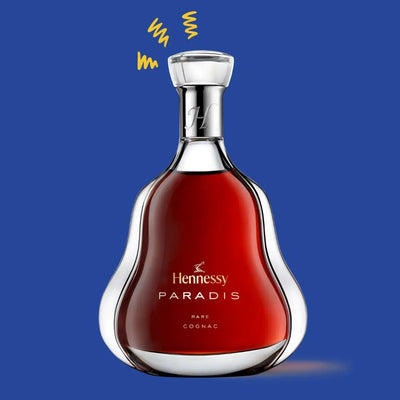
- Prestige cognac: see Hennessy Paradis.
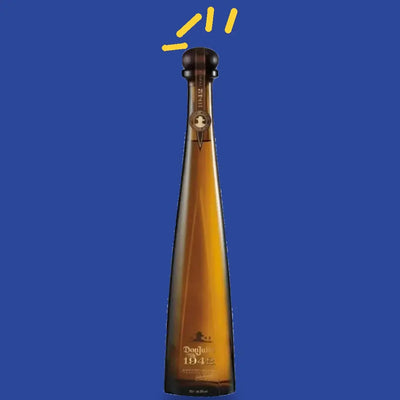
- Añejo tequila: a lesser-known and very successful pairing. See Don Julio 1942.
- Aged rum: cane and cocoa naturally work together.
Depending on the type of chocolate
- Dark chocolate 70 percent and up: Banyuls, Maury, vintage port, sherry cask whisky.
- Dark chocolate 50 to 60 percent: tawny port, aged rum.
- Milk chocolate: tawny, cognac, bourbon cask whisky.
- White chocolate: there is no cocoa, only cocoa butter and sugar. A late harvest or off-dry champagne works.
- Red fruit chocolate: a Maury or ruby port.
- Chocolate and caramel: a tawny or bourbon cask whisky.
What doesn't work
- Brut champagne: it's the most common mistake at holiday meals. Too dry for dessert, it becomes sour and metallic.
- A dry red, even a powerful one: the tannins and the bitterness of the cocoa add up.
- A dry white: it disappears completely.
- Sauternes with dark chocolate: the honey and candied fruit register does not dialogue well with cocoa. It is, however, excellent with a fruit dessert.
Serving temperature
- Natural sweet wines: 14 to 16 degrees. Too cold, they close up.
- Tawny port: 14 degrees.
- Spirits: room temperature.
- Chocolate: also at room temperature. Chocolate coming out of the refrigerator has almost no taste.
Frequently asked questions
Why doesn't champagne work?
A brut contains very little sugar. Against a sweet dessert, the mismatch makes the wine sour and harsh.
Can you serve a red with chocolate?
Rarely successfully. Only very ripe, low-tannin, and almost sweet reds manage it.
What is a natural sweet wine?
A wine whose fermentation is stopped by adding alcohol, which preserves the sugar of the grape. Banyuls, Maury, Rivesaltes, muscats.
How much to serve per person?
Six to eight centiliters are enough. These are rich wines, you drink little of them.
Ordering from Le Caveau des Pépites
We work directly to guarantee the origin and traceability of every bottle. Stored in our climate-controlled, humidity-controlled warehouses in France, hand-packed and wrapped, shipped from mainland France via tracked and insured transport. Free delivery from 300 euros. Customer service available 7 days a week, in French and English.