The French wine market is going through a major shift. Long considered essential, red wine is gradually seeing consumer preferences broaden in favour of white wines. Freshness, aromatic richness and new eating habits all play a part in this change. From Burgundy Chardonnay to Loire Sauvignon Blanc, French white wines now attract wine lovers of all kinds. What explains this growing popularity, and what does it mean for the wine sector?
White wine is gaining ground in France
For several years, wine drinking habits have been changing. The French drink less wine overall, but white wines take a growing place in their preferences.
According to the SOWINE/Dynata 2026 Barometer, 91% of the wine drinkers surveyed say they drink white wine, compared with 83% for red wine.
These figures show the interest in white wines, even though they do not directly reflect sales volumes.
This trend comes with a broader change in the wine market, where consumers are looking for more variety and discovering new appellations.
Why is the freshness of white wines so appealing?
Freshness is one of the main strengths of many white wines.
It comes in particular from their natural acidity, which brings a sense of liveliness and helps balance the palate.
Sauvignon Blanc often stands out with notes of citrus, exotic fruit and green, herbal hints.
Riesling, especially present in Alsace, can offer marked acidity together with floral and fruity aromas.
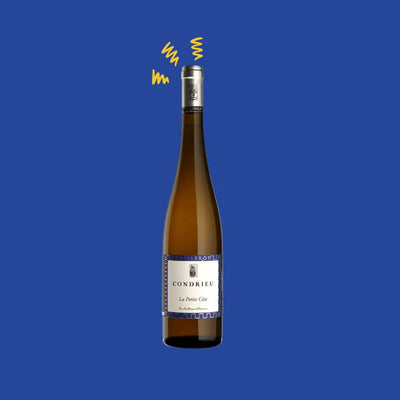
Chenin, emblematic of the Loire Valley, also produces fresh and expressive wines.
However, not all white wines share the same profile. Some cuvées develop a broader texture and great aromatic complexity.
This diversity partly explains why white grape varieties appeal to wine lovers with very different tastes.
Chardonnay and Sauvignon Blanc: two essential references
Among the many white grape varieties, Chardonnay and Sauvignon Blanc hold an important place in French vineyards.
Chardonnay is particularly associated with the white wines of Burgundy. Depending on the terroir and winemaking methods, it can reveal aromas of apple, pear, white flowers or citrus.
When aged in oak barrels, it can also develop notes of vanilla, hazelnut or toast.
Sauvignon Blanc generally offers a livelier expression, with marked acidity and fruity aromas.
These two varieties show the range of styles available, from light wines to great cuvées made for ageing.
New eating habits that favour white wines
Changes in cuisine also influence white wine consumption.
Once mainly associated with fish and seafood, it now goes with a wide variety of dishes.
A fresh Sauvignon Blanc can pair with vegetables, grilled fish or some goat's cheeses.
A rounder Chardonnay can go with poultry, a creamy sauce or mushrooms.
Aromatic white wines also find their place alongside some spicy cuisines.
This versatility at the table goes beyond traditional food and wine pairings and helps renew consumer interest.
Are younger generations part of this change?
New generations are helping to transform drinking habits.
Some young adults approach wine with a particular curiosity for grape varieties, appellations and aromatic profiles.
White wines meet this variety of tastes thanks to their many expressions.
Tastings, social media and educational content also help people discover lesser-known wine regions.
However, this interest is not limited to young consumers. Experienced wine lovers also contribute to the success of French white wines.
How are French vineyards adapting to this trend?
As the wine market changes, some producers are gradually adjusting what they offer.
Where appellation rules allow it, estates are developing new cuvées or increasing their white wine production.
Winemakers are working in particular to preserve the freshness of the grapes and to master their winemaking methods.
Climate change is also a challenge, as rising temperatures can alter grape ripeness and natural acidity.
Producers must therefore balance new consumer expectations with the characteristics of their terroirs.
Great white wines also attract collectors
Interest in white wines is not limited to fresh, light cuvées.
The great white wines of Burgundy hold an important place in the world of prestige bottles.
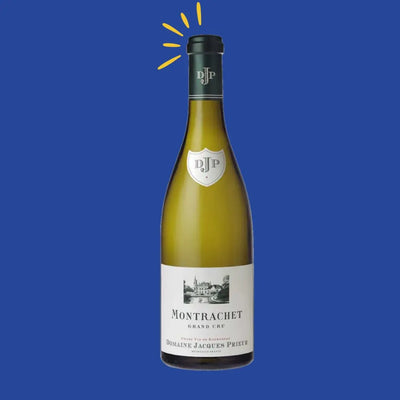
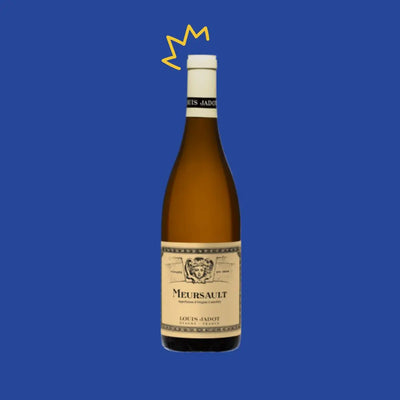
Appellations such as Meursault, Puligny-Montrachet and Montrachet are known for their complexity and the ageing potential of some cuvées.
Over time, these wines can develop aromas of ripe fruit, hazelnut, honey and mineral nuances.
Collectors are particularly interested in great vintages from renowned estates.
However, their value also depends on rarity, provenance, storage conditions and market demand.
What future for white wines in France?
The success of white wines reflects a change in French consumer preferences.
The search for freshness, the diversity of grape varieties and the wealth of food pairings all contribute to this shift.
From Loire Sauvignon Blanc to the great Chardonnays of Burgundy, French vineyards offer very different expressions.
This rise does not mean that red wine is losing all its importance, but rather that wine lovers are diversifying their habits.
In a changing wine market, white wines now hold an essential place, driven by their diversity and their ability to meet a wide range of expectations.