The short answer: from lightest to most powerful, from youngest to oldest, from driest to sweetest, from freshest to least fresh. Whites before reds in most cases, and sweet wine at the end. Each wine should make you regret the previous one, never the other way around.
To see our selection, visit all our bottles.
The five rules
- From lightest to most powerful: a full-bodied wine will overpower the one that follows if it is lighter.
- From youngest to oldest: an aged wine has complex and delicate aromas that a young wine would overpower.
- From driest to sweetest: sugar permanently alters perception. A sweet wine served too early makes everything that follows seem thin.
- From least tannic to most tannic: tannins saturate the taste buds.
- From freshest to least fresh: temperature logic, which generally aligns with the others.
The classic sequence
- Champagne or sparkling wine for the aperitif.
- Crisp dry white with the starter, seafood or fish.
- Full-bodied white or light red with an intermediate course.
- Structured red with meat.
- Older or more prestigious red with hard cheese.
- Sweet wine or dessert wine with dessert.
See our cheese pairing guide.
Useful exceptions
A white after a red
Perfectly acceptable with a cheese board. A great white Burgundy often pairs better than a red with pressed cheeses and goat cheese.
An aged wine before a young wine
With two great reds, the older one is sometimes served first if it is delicate, so that it is not already tired by the end of the meal.
Champagne throughout
A still-wine-style, vintage Champagne can last an entire meal. It is an elegant option, and simpler than it seems.
A single wine
For a meal with six people, two bottles of the same wine are often better than an incoherent parade.
Planning a three-wine meal
Autumn meal
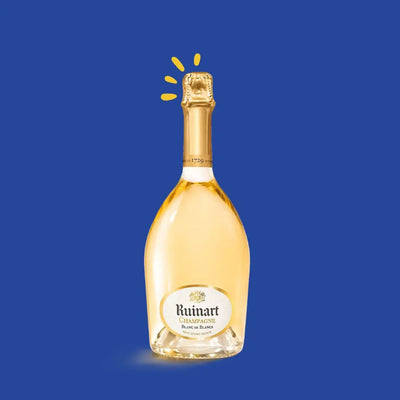
- Aperitif and starter: a blanc de blancs Champagne.
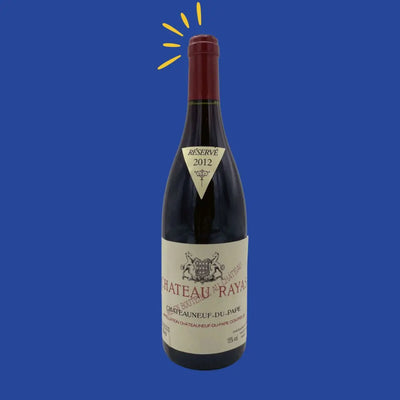
- Main course: a structured red from the southern Rhône.
- Cheese: the same red, or a full-bodied white.
Festive meal
- Aperitif: a prestige Champagne.
- Starter: a great white Burgundy.
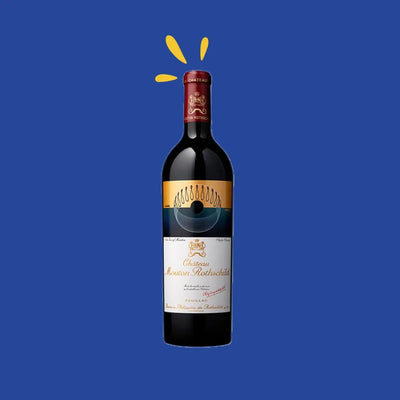
- Main course: a mature Bordeaux.
- Dessert: a sweet wine.
See the Château Haut-Brion 2017.
Logistics
- Open structured reds in advance, or decant them.
- Keep whites chilled during service, in a bucket rather than in the refrigerator, which is too far from the table.
- Provide at least two glasses per guest for meals with several wines.
- Pour small quantities: with four wines, four half-glasses are better than two full glasses.
- Announce each wine. A blind tasting is an exercise, not a meal.
Frequently asked questions
Should you change glasses between each wine?
If you can, yes. Otherwise, rinsing with water between two wines of the same color is sufficient.
Cheese before or after dessert?
Before, in French tradition, which allows you to finish the red before moving on to something sweet.
Can you serve rosé in the middle of a meal?
Yes, after crisp whites and before reds. In summer, it can even last the entire meal.
What if a guest prefers white?
Keep a bottle of white open and chilled throughout the evening. The serving order is a tasting logic, not a social obligation.
Ordering from Le Caveau des Pépites
We work directly to guarantee the origin and traceability of every bottle. Stored in our climate-controlled, humidity-regulated warehouses in France, hand-checked and hand-packed, shipped from mainland France via tracked and insured transport. Free delivery on orders over 300 euros. Customer service available 7 days a week, in French and English.
To learn more: how many bottles to plan for.