In the wine sector, product quality remains essential. But it is no longer always enough to trigger a purchase. Even before tasting a bottle, consumers are influenced by its design, its price, its story, its reputation and the way it is presented.
Wine marketing therefore plays a direct role in sales, brand perception and the decision to buy.
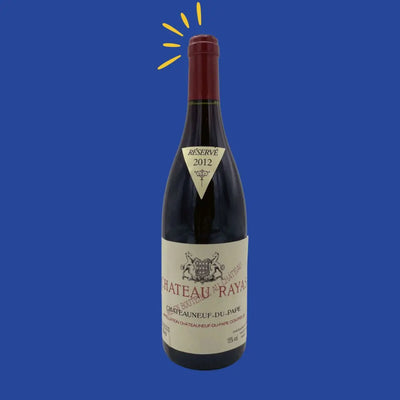
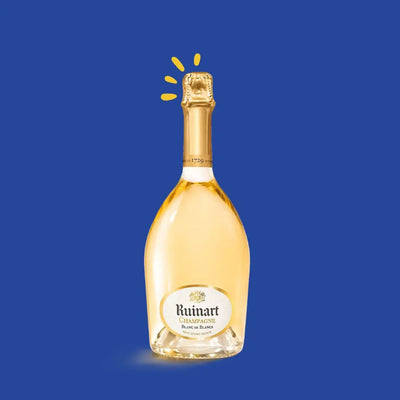
Packaging creates the first impression
The label is often the first thing people look at.
Colours, typography, bottle shape and design quality all contribute to the visual identity.
Premium packaging can increase perceived value.
A more modern design can attract a different clientele.
On a shelf or an e-commerce site, a bottle must be able to stand out quickly.
Packaging does not replace the quality of the wine, but it can strongly influence the first choice.
Our pick for this article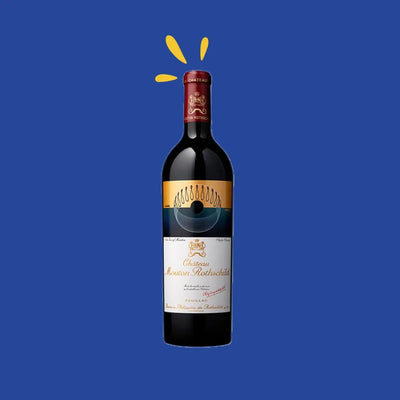
Storytelling gives the product meaning
Wine naturally has a story.
An estate, a terroir, a winemaker, a plot or a vintage can all become genuine elements of storytelling.
This story creates a connection with the consumer.
A bottle is then no longer seen simply as a product.
It represents an origin, a craft and an identity.
Storytelling thus becomes a powerful tool for differentiation.
Brand image makes you memorable
A strong brand must remain consistent.
The website, social media, photography, packaging and tone of voice must all convey the same universe.
This consistency makes the brand easier to remember.
It also builds trust.
In a market crowded with references, an identifiable brand has an important advantage.
Consumers can more easily recognise an estate or cuvée they have already come across.
Social media shapes discovery
Instagram, TikTok and LinkedIn have profoundly changed the way wine is communicated.
A bottle can be discovered in a video, a tasting, a story or an educational post.
Social media allows a more direct relationship with consumers.
It also makes it possible to show what goes on behind the scenes: the harvest, production methods or tasting tips.
This closeness improves visibility and engagement.
Content should not only sell
Purely commercial communication can quickly become tiresome.
Showing nothing but bottles can feel like browsing a catalogue.
Content should also inform, entertain and advise.
Food and wine pairings, grape varieties, tasting techniques, the estate's history or an explanation of an appellation all generate more interest.
The product can remain present, but it should not always be centre stage.
This approach helps build a community.
E-commerce transforms the buying journey
Online sales are changing the way consumers choose their wine.
They compare prices, read reviews and look for information before buying.
The product page therefore becomes a real marketing tool.
It should clearly explain the grape variety, origin, style, aromas and possible pairings.
Good photography can also increase perceived value.
A simple, reassuring buying journey boosts conversion.
Customer reviews build trust
Reviews play an important role in the purchase decision.
They provide social proof.
A consumer discovering a brand for the first time can be reassured by other customers' experiences.
Online reputation is therefore an integral part of digital marketing.
It can directly influence trust and loyalty.
Price contributes to positioning
Price is not just a commercial figure.
It also sends a message.
A premium bottle must come with consistent packaging, storytelling and experience.
If perception does not match the price, the consumer may hesitate.
Marketing therefore explains the value of the product.
It helps show what justifies its positioning.
Differentiation becomes essential
The wine market is highly competitive.
Many products can share the same grape, the same region or a similar price.
Differentiation can then come from design, story, service or communication.
A brand does not need to be spectacular.
Above all, it must be recognisable and consistent.
Marketing and quality must go hand in hand
Marketing can attract attention and trigger a first purchase.
But only quality can truly create a lasting relationship.
Beautiful packaging can seduce.
Good storytelling can create emotion.
A great customer experience can build loyalty.
But the product must always live up to it.
In wine sales, marketing does not replace quality.
Above all, it makes quality visible, understandable and memorable.