Investing in a vineyard plot takes much more than choosing a well-known appellation. The potential of a piece of vineyard land depends on terroir, soil, exposure, altitude, slope, drainage, grape variety, yield and climate risks.
Two plots in the same region can therefore offer very different prospects.
Start by analysing the terroir
Terroir remains one of the first criteria to look at.
It covers the soil, subsoil, climate, exposure and water availability.
A good terroir lets the vine grow in a balanced way and reach regular ripeness.
The nature of the soil is particularly important.
Limestone, clay, gravel, marl and stony soils do not behave in the same way.
Some favour drainage while others retain moisture better.
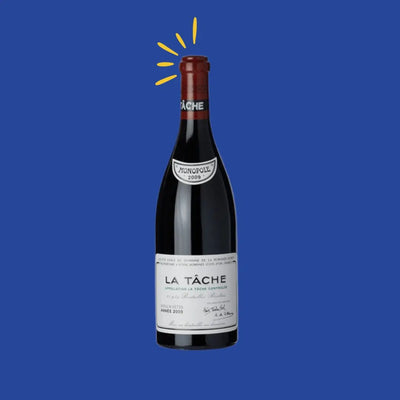
Our pick for this article
Drainage and water are becoming strategic
With climate change, water reserves are becoming more and more important.
A plot that retains too much water can encourage certain health problems.
Conversely, a soil that drains too freely can become very vulnerable during droughts.
The aim is therefore to find a balance.
A good plot should be able to drain excess water while keeping enough moisture to limit water stress.
Exposure influences ripeness
Exposure to the sun directly affects grape ripening.
A south or south-east orientation can be attractive in a cool region.
It favours sunshine and can sometimes give more regular ripeness.
But in a hot area, too much exposure can accelerate ripening.
The risk of excessive heat or sunburnt bunches can then increase.
Exposure must therefore always be analysed in relation to the local climate.
Altitude can be an advantage
Altitude is another important criterion.
Higher plots often benefit from cooler temperatures.
This can help preserve more acidity and slow down ripening.
In some regions, these plots may become particularly attractive as temperatures rise.
But they can also be more exposed to wind or frost.
No criterion should therefore be studied on its own.
Slope can improve quality
Slope influences water runoff, sunshine and ventilation.
A well-exposed hillside can offer very good conditions for vines.
But a steep slope also makes mechanisation more difficult.
Manual work can increase and operating costs rise.
You therefore need to weigh the quality benefits against the economic reality.
The grape must suit the soil
The choice of grape variety is essential.
Pinot Noir, Chardonnay, Merlot and Cabernet Sauvignon do not have the same needs.
A grape poorly suited to the terroir can limit a plot's potential.
Conversely, a good match between soil, climate and grape can produce better-quality grapes.
You should also check the appellation rules before considering replanting.
The age of the vines also matters
Old vines can be a real asset.
Their root systems are often deeper and they can produce more concentrated grapes.
But they generally give lower yields.
Their health also needs to be monitored.
Old vines that need replanting can bring significant costs.
Age alone is therefore not enough to judge a plot's quality.
Analyse yield over several years
Yield should be observed over several vintages.
A single good year is not enough to assess potential properly.
You need to look at the consistency of production.
A plot can be very high quality but produce little.
Conversely, a high yield does not guarantee better profitability if the grape quality is insufficient.
You therefore need to find a balance between volume, quality and selling price.
Climate risks are unavoidable
Frost, hail, drought, heatwaves and water stress can have a major impact on a plot.
Some areas are more exposed than others.
A valley floor may be more sensitive to frost.
A very exposed plot may suffer more from heat.
The climate history of the area should therefore be studied before any investment.
The health of the vines
Before buying, you should also check the condition of the vines.
The plant material, rootstocks and any diseases should be examined.
A poorly maintained plot may quickly require work or replanting.
These costs must be included in the investment calculation.
The price must remain consistent
A prestigious plot is not automatically a good investment.
If its price is already very high, its potential for appreciation may be limited.
Compare the price per hectare, the quality of the terroir, the yield, operating costs and how the local market is evolving.
Some lesser-known appellations can sometimes offer a better balance between price and potential.
Think long term
Investing in a vineyard plot is a decision to think through over several years.
Climate, grape varieties and demand can change.
Plots able to retain freshness, water and good balance could become even more sought after.
The choice should therefore not rest solely on current reputation.
A global analysis before investing
To choose a vineyard plot well, you need to combine several criteria.
Terroir, soil, drainage, altitude, slope, exposure, grape variety, vine age, yield and climate risks must be analysed together.
The best investment is not necessarily the most prestigious plot.
It is often the one that offers the best balance between terroir quality, production potential, operating costs and future value.