Discover how organic wines, biodynamics and committed winemakers protect soils, biodiversity and the identity of wine terroirs.
Organic wines, another way of growing vines
In the world of wine, respect for the environment is taking on a growing role. Faced with climate challenges and consumer expectations, many estates are adopting more responsible production methods. Organic wines illustrate this shift, combining winemaking know-how, preservation of natural resources and the promotion of terroir.
This approach rests on a conviction: the quality of a wine begins in the vineyard. By favouring certain farming practices and limiting synthetic chemicals, committed winemakers seek to preserve their vineyards for the long term.
Our pick for this article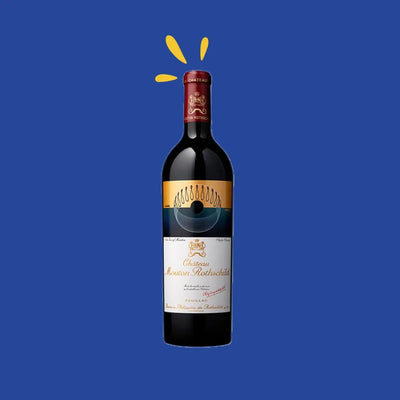
What sets an organic wine apart?
An organic wine is made from grapes grown according to the rules of organic farming. Its winemaking also follows a European specification that governs the treatments allowed and certain winemaking practices.
Contrary to popular belief, an organic wine is not necessarily free of sulphites. They are still allowed, with maximum levels generally lower than for conventional wines.
Organic viticulture notably bans synthetic chemical herbicides and favours mechanical work, agronomic methods and certain authorised treatments.
This approach requires close observation of the plots, particularly when weather conditions favour the development of diseases.
Respect for terroir, a priority for winemakers
Terroir is at the heart of a wine's identity. It results from the interaction between climate, soil composition, the exposure of the plots and the producer's know-how.
To preserve this identity, many organic winemakers seek to keep their soils living and balanced.
Using compost, controlled grass cover and limiting certain interventions can help improve soil structure and reduce erosion.
Each plot nevertheless has its own characteristics. Practices must therefore be adapted to local conditions, especially water availability.
This attention to the soil helps preserve the conditions needed for terroir to express itself.
Biodiversity and sustainable viticulture: a balance to preserve
Biodiversity plays an important role in how vineyards function. Insects, plants and micro-organisms are part of the natural balance around the vine.
Some estates encourage them with hedges, trees or cover crops between the rows.
These features can provide habitats for beneficial species, support biological life in the soil and help protect against erosion.
However, responsible viticulture does not mean removing all human intervention. It requires precise vineyard management to reconcile environmental protection and production quality.
Organic, biodynamic and natural wine: what are the differences?
Although often grouped together, these three types of wine correspond to distinct approaches.
Organic wine follows European regulations governing grape growing and winemaking.
Biodynamic wine is based on a farming philosophy that includes specific preparations and certain natural rhythms. Certifications such as Demeter and Biodyvin govern these practices.
Natural wine generally favours winemaking with few additives and limited intervention. Some producers favour fermentation with indigenous yeasts.
These approaches sometimes share environmental goals, but they do not automatically guarantee better taste.
Do great organic wines appeal to wine lovers?
Many prestigious estates are now interested in organic and biodynamic viticulture. Their aim is often to preserve the quality of their plots and maintain their production potential over several generations.
For lovers of fine wine, environmental commitments can be an additional criterion when choosing a bottle.
However, the estate's reputation, the vintage, the quality of the winemaking and the ageing potential remain essential.
An organic wine is not necessarily better than a conventional one, but it reflects a production method that meets specific requirements.
How to choose a quality organic wine
To recognise a certified organic wine, the European logo is a first reliable indicator.
It is also worth finding out about the origin of the grapes, the growing methods and the estate's philosophy.
The appellation, grape variety and vintage then help guide your choice according to your tasting preferences.
A great wine stands out above all for its balance, aromatic complexity and ability to express the character of its terroir.
Is the future of wine in more responsible viticulture?
The growth of organic wines reflects a lasting change in winegrowing practices. In the face of climate change, preserving soils and managing resources are becoming major concerns for producers.
Committed winemakers thus seek to combine tradition, innovation and respect for the environment while maintaining their quality standards.
Because behind every bottle there is much more than a grape or a vintage: a terroir, a heritage and a human commitment.