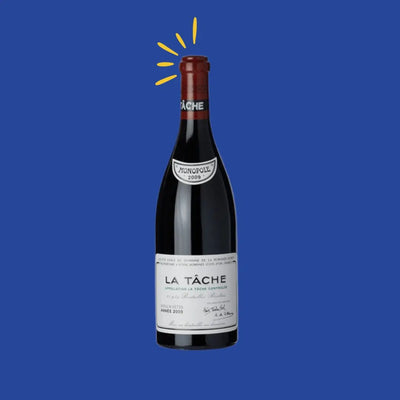
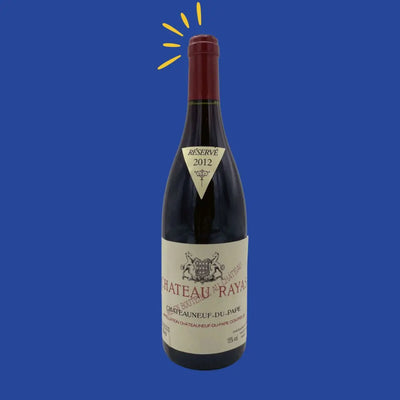
At first glance, the price of a wine can seem arbitrary. Yet behind every expensive bottle lies a well-structured logic that combines production costs, rarity, brand image and market mechanisms. Understanding why a wine is expensive means decoding a system where value does not rest on taste alone, but on a set of visible and invisible factors.
Demanding production from the outset
It all starts in the vineyard, where the grapes are grown. Unlike other products, wine depends heavily on nature. Climate, soil and weather directly influence the quality and quantity of the harvest.
Yield is a key factor. The lower it is, the more concentrated the grapes, which improves the quality of the wine. But producing less also means increasing the cost of each bottle. Add to this the labour, often manual, especially for harvesting at high-end estates.
Production also requires specific equipment, constant monitoring and real technical expertise. Each step, from vineyard to cellar, weighs directly on the final price.
Our pick for this article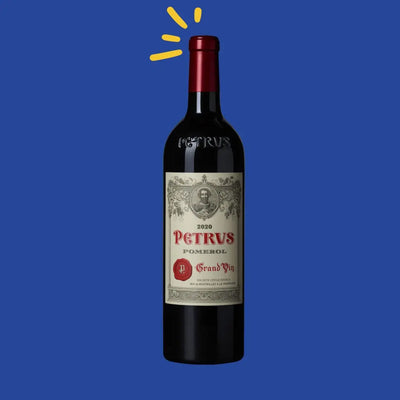
The weight of time in the price
Time is a central factor in building the price of a wine. Some wines need several years before they are ready to drink. During this period, the producer incurs costs without receiving any income.
Ageing is an essential stage for many great wines. Time in barrel, usually oak, develops complex aromas. But these barrels are expensive and must be renewed regularly.
Storage is also a significant cost. Maintaining ideal conditions for several years requires suitable facilities. This waiting time adds to the perceived value of the wine and justifies a higher price.
Rarity as a price lever
A wine produced in small quantities naturally becomes more sought after. This rarity creates tension between supply and demand, which pushes prices up.
Some producers deliberately limit their production to keep an upmarket position. Others are constrained by the size of their vineyard or by particular natural conditions.
Either way, rarity increases perceived value. The harder a bottle is to obtain, the more precious it seems to the wine lover. This is the case for many limited editions and rare bottles.
The impact of reputation
The reputation of a house or producer plays a major role in price. A recognised estate, a prestigious appellation or a famous winemaker can justify high prices.
Trust is essential in the wine market. Consumers accept paying more for a wine whose quality is recognised by experts or critics. This recognition makes the purchase feel safer and strengthens perceived value.
Wine then becomes a symbol. It is no longer just a product to taste, but also a marker of knowledge and taste.
The role of market mechanisms
Like any product, wine obeys the laws of the market. When demand exceeds supply, prices rise. This is particularly visible for rare wines or those from exceptional vintages.
Consumer behaviour also matters. Trends, recommendations and fashions can create sudden demand for certain wines.
Some buyers also see wine as an investment. They buy bottles with the idea of reselling them later, which helps push prices up in some segments.
The costs between the cellar and the consumer
The final price of a wine does not only reflect its production cost. Between the producer and the consumer, several intermediaries are involved.
Transport, import and distribution each add their margin. Then there are taxes, which can account for a large share of the price in some countries.
Presentation also plays a part. An elegant bottle, a carefully designed label and a luxury gift box influence the perception of quality and contribute to the price.
Marketing and perceived value
Marketing is a powerful lever in the world of wine. Telling the story of the product, the terroir or the winemaker creates an emotional bond with the wine lover.
A wine can be seen as expensive simply because it is positioned that way. The price then becomes a signal of quality and exclusivity.
However, it is worth remembering that price does not always perfectly reflect real quality. In some cases, perceived value rests more on image than on what is in the glass. We explain this in detail in our advice: the most expensive wine is not necessarily a great wine.
A subjective notion of value
What a wine is worth also depends on the person drinking it. What seems expensive to one person may seem reasonable to another.
The value of a wine is not limited to its taste. It includes the experience, the context and the emotions linked to the tasting. A bottle opened on a special occasion can feel worth far more than its price.
Conclusion
Understanding why a wine is expensive means analysing several complementary factors. Production costs, ageing time, rarity, the producer's reputation, market mechanisms, distribution costs and marketing all influence the final price.
Wine is a unique product, at the crossroads of agriculture, luxury and economics. Its price reflects both its reality and the way it is perceived. Learning to decode these elements helps you understand the market better and appreciate each bottle at its true value. Discover our gems under €100 and our Grand Cru wines.
Alcohol abuse is dangerous for your health. Please drink responsibly.