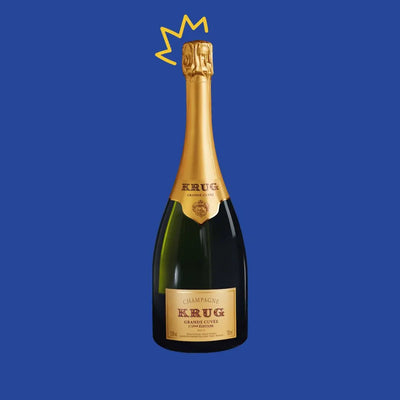
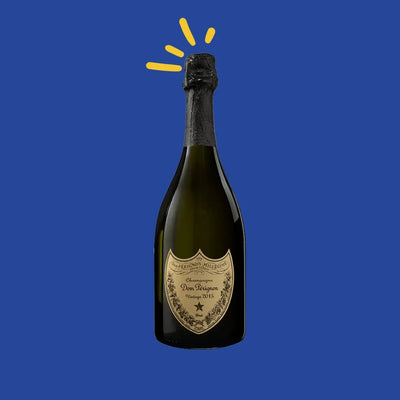
Champagne has long been synonymous with luxury, celebration and prestige. But behind the bubbles and the great houses lies a complex global industry, shaped by market changes, climate change and new drinking habits.
Today, the champagne market continues to attract enthusiasts, collectors and investors. Between international growth, new consumer profiles and environmental challenges, the region is undergoing a real transformation.
In this article, we look at current market trends, the impact of climate change on the vineyards and why some vintages become genuine collector's items.
The champagne market: a global sector in transformation
Champagne is today a pillar of the world of fine and sparkling wines. Every year, hundreds of millions of bottles are shipped around the world.
Exports account for a major share of the business. The United States, the United Kingdom and Japan are among the largest markets for premium champagne. This international demand is driven by several factors:
- the appeal of a luxurious lifestyle;
- the rise of wine tourism;
- growing purchasing power in some markets;
- increasing interest in fine wines and collectable bottles.
Despite some fluctuations in sales, demand for prestige cuvées remains very strong. The great houses continue to produce vintage champagnes that are particularly sought after by collectors.
Champagne also enjoys a unique image: unlike other sparkling wines, its appellation is strictly protected and tied to a specific terroir.
Our pick for this article
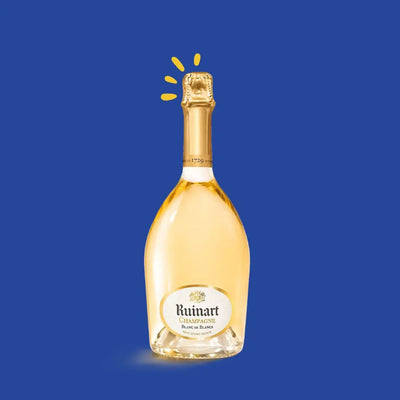
Terroir and grape varieties at the heart of production
Champagne comes from a unique terroir in north-eastern France. Its vineyards benefit from a cool climate and chalky soils that are particularly suited to sparkling wines.
Three grape varieties dominate the region:
- Chardonnay
- Pinot Noir
- Pinot Meunier
These grapes make it possible to create cuvées in very different styles through the art of blending. Chardonnay brings finesse and freshness, while Pinot Noir gives structure and power.
After fermentation, the wines age in bottle, sometimes for several years. This ageing develops the characteristic aromas of great vintage champagnes.
Prestige cuvées are often made from the best grapes and benefit from extended ageing, which adds to their value.
Climate change, a major challenge for Champagne
Climate change is today one of the biggest challenges for the Champagne vineyards.
Rising temperatures have already changed the harvest calendar, which often starts earlier than a few decades ago. This directly affects grape ripeness, acidity and the style of the cuvées.
Producers must also cope with more extreme weather:
- spring frosts;
- heatwaves;
- large variations in yield.
To meet these challenges, the Champagne region is committed to sustainability. The aim is to reduce the carbon footprint of production while protecting the vines.
Today, a large share of estates are adopting more environmentally friendly practices:
- sustainable viticulture;
- reduced pesticide use;
- better energy efficiency.
This transition has become an important argument for environmentally aware consumers.
The new champagne lovers
The consumer profile is changing fast. Millennials and Gen Z account for a growing share of demand.
Unlike previous generations, these drinkers associate champagne with a lifestyle rather than only with celebrations.
Social media has also changed how champagne is perceived. Images of tastings, private cellars and exceptional bottles circulate widely.
This trend favours limited editions, vintages and bottles with a unique design.
The rise of wine tourism also strengthens the appeal of Champagne. Every year, many visitors come to discover the cellars, the vineyards and the winemaking methods.
Champagne and collecting: a growing market
Beyond the pleasure of tasting, some bottles of champagne become collector's items.
Some prestige cuvées and vintages see their price rise over time, especially when production is limited.
Collectors are particularly interested in bottles from:
- great historic houses;
- exceptional vintages;
- limited editions.
These bottles can be kept in a cellar for several years, in good conditions, to reach their full potential.
The market for fine wines and collectable champagnes is also driven by auctions, where some bottles reach impressive prices. Bear in mind, however, that the value of a bottle can go down as well as up.
Conclusion
Despite the challenges of climate change and market fluctuations, champagne keeps a unique place in the wine world.
Its terroir, history and traditional winemaking methods sustain its status as an exceptional product.
The combination of heritage, innovation and sustainability allows Champagne to keep winning over wine lovers around the world.
Alcohol abuse is dangerous for your health. Please drink responsibly.