Pinot is one of the most important families of grape varieties in the wine world. Behind the name lie several very different varieties: Pinot Noir, Pinot Gris, Pinot Blanc and Pinot Meunier. All are closely related, but each develops its own aromatic profile, colour, structure and uses depending on the terroir and wine region.
Understanding the differences between the Pinots helps you choose a wine and identify the aromas in your glass.
Pinot Noir, the most famous of the family
Pinot Noir is probably the best known of this family. It is particularly associated with Burgundy, where it gives rise to some of the world's most prestigious red wines.
Its berries have dark skins but pale flesh. Pinot Noir wines can offer aromas of cherry, raspberry, strawberry, redcurrant and other red fruits.
With age, the aromatic profile often evolves towards notes of spice, undergrowth, mushroom or leather.
Pinot Noir is prized for its finesse and elegance. Depending on the terroir, it can produce light, delicate wines or much deeper, more structured ones.
It also plays an essential role in Champagne, especially in blends, where it brings power, structure and vinosity.
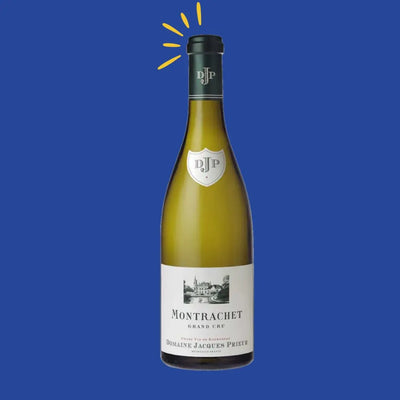
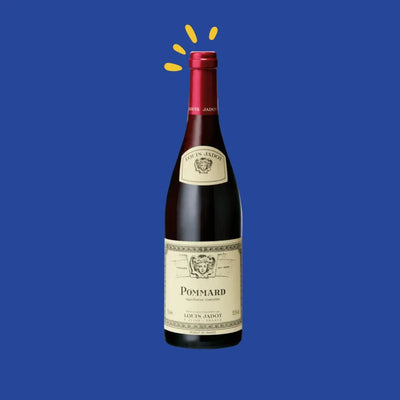
Our pick for this article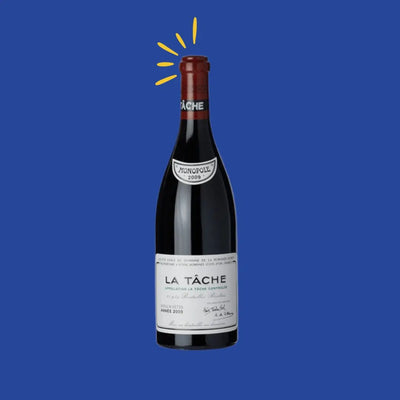
Pinot Gris, a mutation of Pinot Noir
Pinot Gris is directly linked to Pinot Noir. It is a natural mutation that appeared over time.
Unlike Pinot Noir, its berries are greyish, pinkish or slightly purple. Yet Pinot Gris is mainly used to produce white wines.
Its aromatic profile is generally richer, frequently showing notes of peach, yellow fruit, exotic fruit, flowers and honey.
Depending on the region and winemaking style, Pinot Gris can produce dry, powerful, generous wines, but also off-dry or sweet wines.
In Alsace, it notably gives wines with fine roundness, a broad texture and real aromatic power.
Pinot Blanc, finesse and freshness
Pinot Blanc also belongs to this genetic family. It results from a mutation of Pinot Gris, itself derived from Pinot Noir.
Its grapes have pale skins and naturally produce white wines.
Pinot Blanc is generally appreciated for its freshness, finesse and balance. Its profile is often less powerful than that of Pinot Gris.
Aromas of apple, pear, white flowers and some citrus notes can be found.
It is used alone or in blends depending on the region. Its suppleness and moderate acidity make it a particularly versatile grape.
Pinot Meunier, essential in Champagne
Pinot Meunier, often simply called Meunier, holds an important place in the Champagne vineyard.
Its name comes from the whitish appearance of the underside of its leaves, which look dusted with flour ("meunier" means miller).
Pinot Meunier generally brings plenty of fruit and roundness to Champagne blends. Its aromas can recall apple, peach, apricot and other yellow fruits.
Compared with Pinot Noir, it often develops a suppler profile that is more approachable when young.
In champagne, it is traditionally used alongside Pinot Noir and Chardonnay. It brings fruit and indulgence and contributes to the balance of many cuvées.
Why are there several Pinots?
Pinot is an ancient grape with a great capacity for natural mutation.
Over time, some vines developed different characteristics, notably in berry colour. These mutations gradually gave rise to Pinot Noir, Pinot Gris and Pinot Blanc.
Despite their visible differences, these grapes remain genetically very close.
This is one of the most fascinating aspects of the Pinot family: a few mutations can produce grapes of different colours and completely distinct wine styles.
What are the aromas of the different Pinots?
Each Pinot has an identifiable aromatic profile.
Pinot Noir is mainly associated with red fruits such as cherry, strawberry and raspberry.
Pinot Gris offers more yellow fruit, peach, honey, flowers and sometimes exotic fruit.
Pinot Blanc is characterised by delicate aromas of apple, pear, citrus and white flowers.
Pinot Meunier generally brings fruity notes of apple, peach and apricot, along with fine roundness.
However, terroir, grape ripeness, winemaking methods and ageing can profoundly change these profiles.
Pinot Noir in Burgundy and Pinot Meunier in Champagne
The different Pinots are closely associated with some of France's great wine regions.
In Burgundy, Pinot Noir reigns over most of the red wines. It expresses particularly well the differences in terroir between plots.
In Champagne, Pinot Noir and Pinot Meunier are two major grapes, regularly blended with Chardonnay.
Pinot Noir brings more structure and power, while Pinot Meunier favours fruitiness and suppleness.
Pinot Gris and Pinot Blanc are particularly present in Alsace, where they produce white wines of very different styles.
How to choose between the Pinots?
The choice depends above all on the style you are looking for.
For an elegant red wine with red fruit aromas, Pinot Noir remains essential.
For a rich, round, aromatic white wine, Pinot Gris is particularly interesting.
For more freshness and lightness, Pinot Blanc is an excellent alternative.
Finally, champagne lovers will often find Pinot Meunier in fruity, supple and indulgent cuvées.
Although they belong to the same family, the Pinots show the full diversity a grape can offer through mutations, terroirs and winemaking methods.