Pétrus is the most famous wine of Pomerol, on Bordeaux's Right Bank: a red made very largely from Merlot, produced in small quantities on a renowned clay terroir. Its price varies with the vintage, the condition of the bottle and its provenance. At Le Caveau des Pépites, Pétrus is currently offered from €3,250 to €4,950 per 75 cl bottle depending on the vintage.
What is Pétrus?
Pétrus is an estate in the Pomerol appellation, next to Saint-Émilion on the right bank of the Dordogne. Its modest-sized vineyard lies on the Pomerol plateau, on a seam of blue clay often called the "boutonnière". This cool, water-retaining soil particularly suits Merlot, the grape that makes up most of the wine and gives it its broad, velvety texture.
Unlike the Médoc, Graves or Saint-Émilion, the Pomerol appellation has no official classification. The reputation of Pétrus therefore does not rest on a ranking, but on its terroir, the consistency of its quality and a very small production. To learn more about the appellation, read our article Pomerol: secrets of a prestigious terroir, our feature on Right Bank Bordeaux wines and our guide to Bordeaux grand cru classifications.
Our pick for this article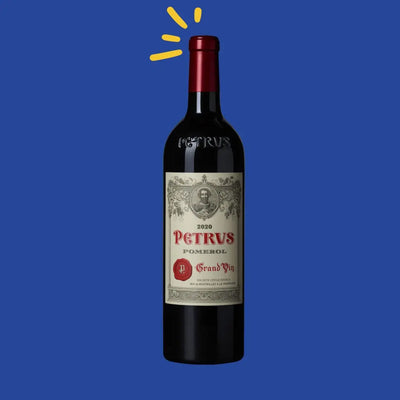
Pétrus prices by vintage at Le Caveau des Pépites
Prices for a 75 cl bottle shown on our Pétrus product page at the time of writing. Vintages are available in limited quantities and prices may change: the product page is the reference.
| Vintage | Shop price (75 cl) |
|---|---|
| Pétrus 2020 | €4,880 |
| Pétrus 2019 | €4,450 |
| Pétrus 2018 | €4,520 |
| Pétrus 2017 | €3,850 |
| Pétrus 2016 | €3,990 |
| Pétrus 2015 | €4,380 |
| Pétrus 2014 | €3,250 |
| Pétrus 2013 | €3,400 |
| Pétrus 2010 | €4,950 |
Why does the price of Pétrus vary from one vintage to another?
- The growing season: each year's weather shapes the wine's concentration, balance and ageing potential, and therefore the interest it attracts among enthusiasts.
- How the vintage is received: tasters' assessments when a vintage is released influence demand.
- Age and availability: over time, fewer bottles of a given vintage remain in circulation, as some are opened and enjoyed.
- Condition and history of the bottle: a bottle with documented provenance and storage conditions is more sought after than one with an uncertain history.
- Format: magnums and large formats follow their own price logic.
These differences do not tell the whole story of what you will find in the glass: a less expensive vintage can offer a wonderful tasting experience. This guide is not investment advice.
How to check a bottle of Pétrus before buying
For a wine of this level, examining the bottle and its history is essential:
- The capsule: intact, firmly attached, with no sign of tampering.
- No seepage: no trace of dried wine around the neck, which can indicate a tired cork or heat damage.
- The fill level: on a recent vintage, the wine should reach high into the neck. A low level on a young bottle is a warning sign.
- The label: clean, consistent with the vintage and legible. Slight wear due to age is not a defect in itself.
- Provenance: ask where the bottle comes from and how it has been stored since leaving the estate.
- Documentation: invoice, original wooden case where applicable, and detailed photos of the bottle.
Our article Wine provenance: why it can make all the difference covers these points in detail, and Old wines and old vintages helps you assess an older bottle.
How to store and serve Pétrus
Storage: keep the bottle lying down, away from light and vibration, at a stable temperature of around 12 to 14 °C, with humidity close to 70%. Our article on wine storage explains why these conditions matter so much.
Serving: Pétrus is served at 16 to 18 °C, in a large glass. A young vintage benefits from one to two hours in a decanter before serving. An older vintage should be handled gently and can be decanted just before serving to separate it from its sediment.
Food pairing: its velvety texture calls for refined, lightly spiced dishes such as beef fillet, roast pigeon, game birds, mushroom or truffle dishes, or aged hard cheeses.
Other Right Bank wines to discover
To explore the style of Pomerol and Saint-Émilion at other budgets, here is a selection of wines available in our shop:
| Wine | Appellation | Shop price |
|---|---|---|
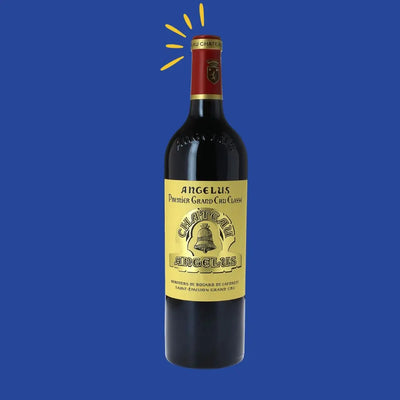
| Château Angélus 2019 | Saint-Émilion | €530 |
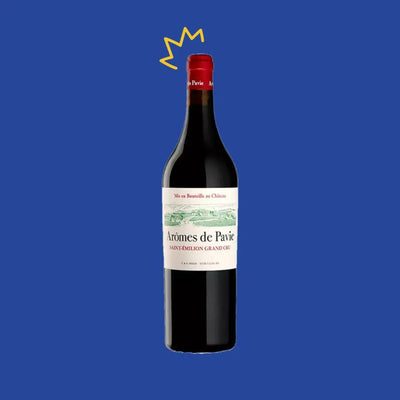
| Arômes de Pavie 2020 | Saint-Émilion Grand Cru, second wine of Château Pavie | €135 |
| Château de Sales | Pomerol | €49.90 |
| Château Croix Cardinale 2019 | Saint-Émilion Grand Cru | €43.50 |
| Relais de La Dominique 2019 | Saint-Émilion Grand Cru | €34.50 |
| Cheval Noir 2022 | Saint-Émilion | €19.95 |
Also explore our Pétrus selection, our Saint-Émilion Grand Cru wines, all our Bordeaux wines and our grands crus.
Frequently asked questions
How much does a bottle of Pétrus cost?
At Le Caveau des Pépites, Pétrus is currently offered from €3,250 to €4,950 per 75 cl bottle, depending on the vintage. The price depends in particular on the growing season, the age of the wine and the provenance of the bottle.
Why is Pétrus not classified?
The Pomerol appellation has no official classification, unlike the Médoc, Graves or Saint-Émilion. The reputation of Pétrus rests on its clay terroir, its Merlot and its very limited production.
Which grape is Pétrus made from?
Pétrus is made very largely from Merlot, planted on the Pomerol plateau on a renowned seam of blue clay.
How should a bottle of Pétrus be stored?
Lying down, away from light and vibration, at a stable temperature of around 12 to 14 °C and with humidity close to 70%. Also keep the invoice and, if possible, the original case, which document the provenance.
Alcohol abuse is dangerous for your health. Please drink responsibly.