Summer is the perfect season to discover fresh wines that are light and easy to drink. When temperatures rise, wine lovers generally look for less powerful bottles with lovely acidity and moderate alcohol. The choice of a summer wine also depends on the meal, the occasion and the serving temperature.
Dry white, fruity rosé, light red or sparkling cuvée: each style can accompany an aperitif, a barbecue, a picnic or a dinner on the terrace. The key is to favour freshness, balance and aromas suited to the season.
What wine to drink when it's hot?
When it is hot, very powerful, high-alcohol or particularly tannic wines can feel heavy. It is better to choose wines that are easy-drinking, lively and refreshing.
A good summer wine generally has enough acidity to stay fresh. Aromas of citrus, flowers, white fruit or red fruit also bring a pleasant sensation when tasting.
Serving temperature plays an essential role. A wine that is too warm seems more alcoholic, while a wine served too cold can lose some of its aromas.
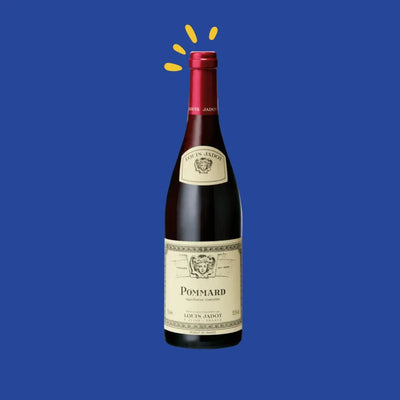
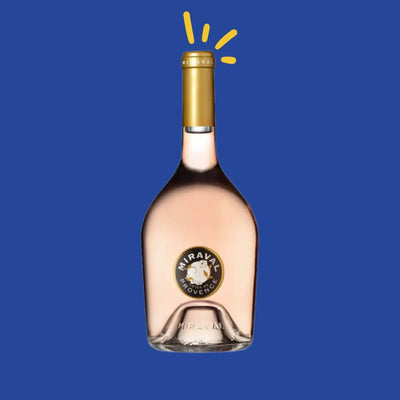
Our pick for this article
The best white wines for summer
Dry white wine is an essential choice in summer. It goes well with aperitifs, fish, seafood, salads and grilled vegetables.
Muscadet stands out for its freshness, minerality and saline finish. It is an excellent match for oysters, shellfish and fish.
Sancerre, generally made from Sauvignon Blanc, offers notes of citrus, flowers and sometimes a green touch. Its liveliness makes it particularly pleasant when it is hot.
Chablis, made from Chardonnay, often has a taut, mineral profile. Its aromas of lemon, green apple and stone go perfectly with seafood or grilled fish.
Savoie wines, especially those made from Jacquère, are also well suited to summer meals. They are often light, fresh and low in alcohol.
The best rosés for summer
Rosé remains one of the symbols of summer. It is often appreciated for its freshness, fruit and great versatility at the table.
Provence rosés generally offer aromas of citrus, peach, flowers and small red fruits. They easily accompany salads, vegetables, grilled fish and aperitifs on the terrace.
Corsican rosés can show more character and lovely minerality. They are particularly suited to Mediterranean dishes, fish and grilled meats.
To choose a good summer rosé, it is best to look for a dry, balanced and sufficiently lively wine. A rosé that is too sweet or too alcoholic can feel heavy on a very hot day.
Colour does not always tell you about quality. A very pale rosé is not necessarily better than a deeper one. The grape, the terroir and the producer's work remain the most important criteria.
Can you drink red wine in summer?
Red wine can perfectly well be enjoyed in summer, as long as you choose a light, fruity, low-tannin style.
Beaujolais Gamay is particularly well suited. It produces supple, crunchy wines with aromas of cherry, strawberry and raspberry.
Pinot Noir can also have a summery profile when it remains delicate and fresh. Light reds from Burgundy, Alsace or the Loire can accompany poultry, charcuterie or grilled vegetables.
Poulsard and Trousseau from the Jura, Mondeuse from Savoie and Pineau d'Aunis are other interesting grapes for discovering fresh, original reds.
These wines can be served slightly chilled. A few minutes in the fridge is usually enough to reach a pleasant temperature without masking the aromas.
Which wine to choose for a barbecue?
A barbecue lets you offer several types of wine depending on the food.
For grilled fish and vegetables, a dry white, a fresh rosé or a mineral Chardonnay are good choices.
With poultry, skewers or white meat, a structured rosé or a light Pinot Noir can offer a balanced match.
For sausages, merguez or grilled red meat, you can choose a slightly more generous fruity red, as long as it is not too tannic.
A Gamay, a light Grenache or some Rhône Valley reds can match the smoky, spicy flavours of a barbecue.
Which wine to serve as an aperitif?
As an aperitif, the best summer wines are those that whet the appetite without weighing things down.
A lively dry white, such as a Muscadet or a Sauvignon Blanc, works very well with olives, seafood or spreads.
A Provence rosé easily accompanies crunchy vegetables, tapas and light charcuterie.
Sparkling wines and fresh champagnes are also well suited to the aperitif. Their bubbles, acidity and fruity notes bring a refreshing sensation.
What serving temperature in summer?
Serving temperature directly influences how a wine is perceived.
Dry whites are generally served between 8 and 12 °C. The lightest cuvées can be served cooler, while a great Chardonnay benefits from being slightly less cold to reveal its aromas.
Rosés are best around 10 to 12 °C.
Light reds can be served between 12 and 15 °C. They should be cool, but not ice-cold.
It is better to use a bucket of water and ice than to leave the bottle in the freezer for a long time. Cooling will be more even and easier to control.
Mistakes to avoid with wine in summer
The first mistake is serving all wines very cold. Too low a temperature masks the aromas and makes the wine less expressive.
The second mistake is leaving a bottle in full sun. Heat can quickly damage the wine.
You should also avoid choosing only by colour. A light red can be more refreshing than a rich, high-alcohol rosé.
Finally, wine does not replace water. In hot weather, reasonable consumption and good hydration remain essential.
Conclusion
The best wines to drink in summer are those that combine freshness, lightness, fruit and balance.
Dry whites such as Muscadet, Sancerre or Chablis suit seafood, fish and aperitifs. Provence and Corsican rosés go perfectly with meals on the terrace, salads and grilled food. Light reds made from Gamay, Pinot Noir or Poulsard also let you enjoy red wine during the summer.
For a successful tasting, above all respect the serving temperature and choose the bottle according to the meal. A well-thought-out selection lets you accompany every summer moment, from picnics to barbecues and aperitifs.