




The world of whisky brings together historic distilleries, prestigious houses and producers able to create very different styles. Scotland, Japan and France each have their own identity, built around terroir, barley, distillation, peat and above all cask ageing. Single malt, sherry cask, bourbon cask or extended maturation all deeply influence a whisky's aromas and complexity. Here are some of the best whisky houses to know.
The Macallan, a Speyside reference
The Macallan is one of the most famous Scotch whisky houses.
Based in Speyside, the distillery is particularly known for its work with sherry casks. These casks can bring aromas of raisins, candied fruit, nuts, chocolate, spice and wood.
Maturation plays an essential role in The Macallan's style. The choice of oak and the length of ageing produce rich, balanced and complex single malts.
The house also offers many limited editions and aged whiskies, which contribute to its position in the world of prestige whisky.
Our pick for this article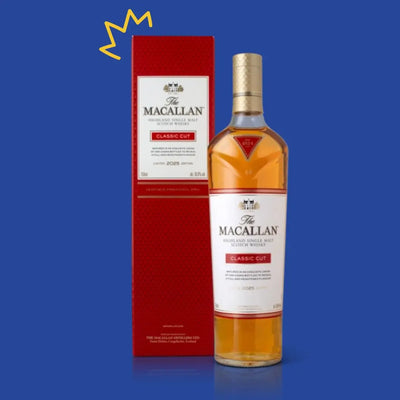
The Dalmore, a rich Highland whisky
The Dalmore is another essential Scottish distillery.
Located in the Highlands, it is known for generous, aromatic whiskies. Notes of orange, dried fruit, caramel, coffee, chocolate and spice are regularly associated with some of its releases.
The house uses different types of casks for ageing, notably casks that once held sherry.
This maturation often brings more richness and depth to the whisky.
The Dalmore thus represents a style particularly suited to lovers of powerful, indulgent and elegant single malts.
Glenfiddich, a single malt classic
Glenfiddich is one of the distilleries that helped popularise Scotch single malt around the world.
The house is also in Speyside and often offers fruitier profiles.
Aromas of pear, apple, honey, vanilla and oak are common.
Depending on age and cask type, the whiskies can then develop more spice, dried fruit and complexity.
Glenfiddich is an excellent house for discovering the influence of maturation on a single malt.
Laphroaig, the intensity of Islay peat
To discover peated whiskies, Laphroaig remains an essential reference.
This Islay distillery has an instantly recognisable style. Peat, smoke, maritime notes, iodine and medicinal sensations can all appear in the glass.
These powerful aromas are sometimes accompanied by vanilla, spice and wood from bourbon casks.
Laphroaig perfectly shows the influence of peat on a whisky's character.
This very assertive style contrasts strongly with the fruitier, softer Speyside profiles.
Highland Park, between smoke and sweetness
Highland Park offers a more balanced approach to peat.
Its whiskies can combine light smoke, honey, fruit, spice and woody notes.
The peat is present but leaves enough room for other aromas to create a harmonious whole.
The house also places great importance on cask ageing and on balancing richness and freshness.
Highland Park is an interesting alternative for those who want to discover smoky whiskies without starting with the most powerful profiles.
Nikka, a great Japanese whisky house
Japan now holds an important place in the world of premium whisky.
Nikka is one of the best-known Japanese houses. Its history is linked to Masataka Taketsuru, who learned Scottish techniques before helping to develop Japanese whisky.
The house owns the Yoichi and Miyagikyo distilleries.
Yoichi generally offers more powerful and sometimes lightly smoky profiles, while Miyagikyo often favours fruit, flowers and more elegance.
This complementarity allows Nikka to produce precise, balanced and complex whiskies.
Yamazaki, prestige Japanese whisky
Yamazaki is also essential when talking about the best Japanese distilleries.
The house stands out for its work with different cask types and great precision in maturation.
Japanese Mizunara oak can bring woody, spicy notes sometimes close to incense.
Other releases offer more fruit, citrus, honey and vanilla.
Some aged or limited Yamazaki whiskies are now particularly sought after by enthusiasts and collectors.
French whisky houses
France is also developing its own identity in the world of whisky.
Armorik, Rozelieures, Eddu and Vilanova are among the French producers to know.
These houses often highlight local grains, terroir and original maturation methods.
Casks that once held wine or other French spirits can be used to bring new flavours.
French whisky thus seeks to combine tradition, know-how and innovation.
Sherry cask or bourbon cask: what is the difference?
The type of cask strongly influences a whisky's aromas.
A bourbon cask often brings notes of vanilla, caramel, oak and sometimes coconut.
A sherry cask favours dried fruit, raisins, nuts, chocolate and spice.
Some distilleries use several types of cask in succession to enrich aromatic complexity.
Age also plays an important role, but an older whisky is not necessarily better. The balance between spirit, oak and maturation remains essential.
Which are the best whisky houses?
There is no single best distillery, as each house has its own style.
The Macallan will appeal to lovers of sherry casks and prestige whiskies. The Dalmore favours richness and indulgent aromas. Glenfiddich offers fruitier single malts, while Laphroaig perfectly represents the power of Islay peat.
Nikka and Yamazaki reveal the precision and elegance of Japanese whisky, while French distilleries are gradually developing their own signatures.
The best whisky houses ultimately share the same fundamentals: quality barley, mastery of distillation, cask selection, patience and know-how. It is the combination of these elements that allows each distillery to create a unique whisky, between fruit, smoke, peat, sherry, spice and complexity.





