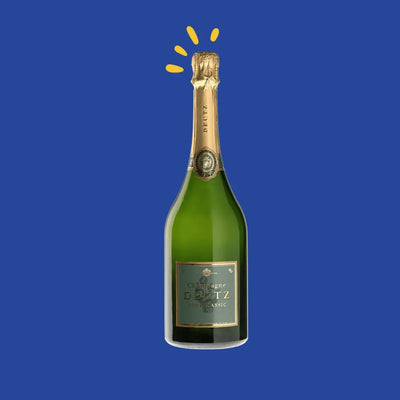
When temperatures rise, our cravings change. We look for more freshness, lightness and liveliness. Champagne then becomes one of the ideal drinks for sunny days. But not all styles give the same sensations. Blanc de Blancs, rosé champagne, Brut, Extra-Brut or Brut Nature: some profiles are particularly suited to aperitifs, terrace meals and summer evenings.
Here is how to choose the best champagne to drink in summer.
Why drink champagne in summer?
Champagne naturally has many assets for the summer season. Its acidity, fine bubbles and freshness make it easy to pair with an aperitif or a light meal.
In summer, the most interesting cuvées are often those with a lively, balanced profile and aromas of citrus, white flowers, fresh fruit or red fruit.
Serving temperature also plays an important role. A champagne served cool enough reveals more of its liveliness and refreshing side without masking its aromas.
Our pick for this article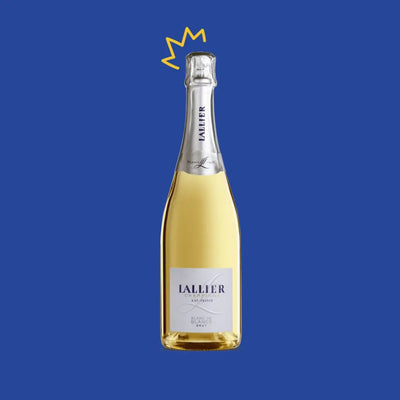
Blanc de Blancs: the ideal summer champagne
Among the styles most enjoyed on sunny days, Blanc de Blancs holds a special place.
Made only from white grapes, mainly Chardonnay in Champagne, it often stands out for its finesse, freshness and minerality.
It typically shows aromas of lemon, grapefruit, green apple, white flowers and sometimes a light brioche touch.
Thanks to its good acidity, Blanc de Blancs pairs perfectly with seafood, fish, oysters and light dishes.
It is also an excellent aperitif champagne, especially served on a terrace on a hot summer day.
Rosé champagne for summer evenings
Rosé champagne is also particularly suited to summer.
Its fruity profile often brings notes of strawberry, raspberry, cherry or redcurrant. Depending on the cuvée, it can be delicate and fresh or more intense and structured.
Rosé champagne works very well as an aperitif, but it can also accompany a full meal.
It pairs notably with some white meats, grilled fish, summer salads or red fruit desserts.
Its indulgent character and freshness make it ideal for outdoor meals and summer evenings.
Brut, Extra-Brut or Brut Nature: which dosage to choose?
Dosage is the amount of sugar added to champagne after disgorgement. It directly influences the style of the cuvée.
Brut remains the most versatile champagne. It generally keeps a good balance between freshness, roundness and indulgence.
Extra-Brut contains less sugar and often offers a tauter, more mineral style.
Brut Nature has very low or no dosage. It puts more emphasis on acidity, terroir and the purity of the wine.
In summer, low-dosage champagnes can be particularly pleasant thanks to their fresh sensation and often drier finish.
Which aromas to look for in a summer champagne?
To choose a fresh champagne suited to sunny days, some aromatic profiles are particularly interesting.
Cuvées marked by citrus, lemon, grapefruit, white peach, apple or white flowers generally offer a sense of lightness and liveliness.
Rosé champagnes bring more red fruit such as strawberry or raspberry.
Minerality is also an interesting criterion. A saline or chalky finish often reinforces the impression of freshness.
The aim is to find a balanced cuvée that offers enough complexity without feeling too heavy on hot days.
Which champagne for an aperitif?
For a summer aperitif, choose a lively, fresh, light champagne.
A Chardonnay-based Blanc de Blancs is often an excellent choice. Its finesse and minerality go well with oysters, prawns, smoked salmon or simply a few canapés.
An Extra-Brut can also be particularly interesting if you are looking for a dry champagne with good tension.
For a fruitier mood, a rosé champagne adds more indulgence while keeping the desired freshness.
Which champagne with a summer meal?
Champagne need not be reserved for the aperitif. It can accompany a full meal.
With seafood or fish, a Blanc de Blancs is often an ideal match.
With grilled food, white meat or some Mediterranean dishes, a more structured Brut can bring more depth.
Rosé champagne can also work with salmon tartare, grilled prawns or lightly spiced dishes.
For a successful pairing, look above all for a balance between the intensity of the dish and that of the champagne.
At what temperature should champagne be served in summer?
Serving temperature is essential to fully enjoy the tasting.
In summer, it can be tempting to serve champagne extremely cold. Yet too low a temperature risks masking the cuvée's aromas and complexity.
Champagne should be cool but not ice-cold. A spell in a bucket of water and ice generally brings it quickly to the right temperature.
Once served, it is best to return the bottle to the cold regularly, especially when it is hot outside.
What is the best champagne to drink in summer?
There is no single best champagne for summer. It all depends on the moment and your preferences.
For freshness and minerality, Blanc de Blancs is often essential. For a fruity, indulgent profile, rosé champagne is an excellent option. For those looking for more tension and a dry finish, Extra-Brut or Brut Nature can be particularly interesting.
The most important thing is to choose a balanced, fresh cuvée suited to the occasion.
As an aperitif, with seafood, at a terrace meal or on a summer evening, champagne lets you make the most of sunny days while discovering a great diversity of styles, grape varieties and terroirs.