Burgundy is renowned worldwide for producing some of the greatest white wines. Behind each bottle lies a unique terroir, a particular climate and a grape able to express the full richness of the Burgundy vineyards. While Chardonnay dominates production, other grapes such as Aligoté and Sauvignon Blanc also play an important role in some appellations.
Understanding the differences between the grapes of white Burgundy helps you better appreciate their diversity, aromas and styles. Between the minerality of a Chablis, the roundness of a Meursault and the freshness of a Bourgogne Aligoté, each wine has its own identity shaped by its terroir, winemaking and ageing.
Why are grapes so important in white Burgundy?
The grape variety is the foundation of every wine. In Burgundy, it determines much of the aroma, structure, freshness and ageing potential. However, unlike other wine regions, Burgundy winemakers consider terroir to be the decisive factor. The same Chardonnay grown in Chablis, Meursault or Puligny-Montrachet will give very different white wines thanks to the diversity of limestone soils, marls and climats.
This ability to reveal terroir makes white Burgundy a worldwide reference for enthusiasts and professionals alike.
Our pick for this article
Chardonnay, the iconic grape of white Burgundy
Chardonnay accounts for the vast majority of plantings for white Burgundy. Its reputation rests on its remarkable ability to express each appellation with precision.
Depending on the terroir, Chardonnay develops very varied profiles. In Chablis, it shows strong minerality, lovely acidity and notes of lemon, green apple, oyster shell and flint.
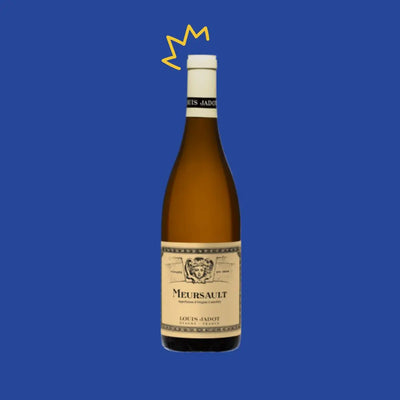
In Meursault, the same grapes offer more roundness, with aromas of butter, hazelnut, brioche, honey and almond. Oak ageing brings a broad texture and great aromatic complexity.
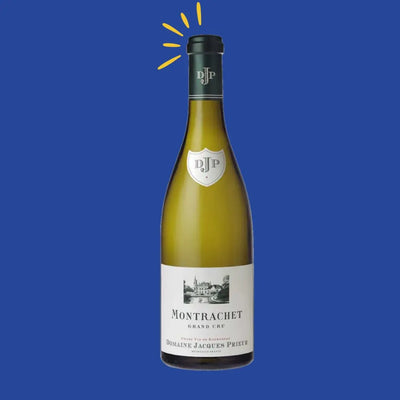
In Puligny-Montrachet and Chassagne-Montrachet, Chardonnay often reaches its highest expression, with a remarkable balance between freshness, elegance, finesse and length.
In the Mâconnais, the appellations Pouilly-Fuissé, Saint-Véran, Viré-Clessé and Mâcon-Villages offer more approachable wines, marked by aromas of white fruit, peach, apricot, citrus and white flowers.
Aligoté, a historic Burgundy grape
Often considered the second white grape of Burgundy, Aligoté is enjoying a real revival today.
This grape produces fresh, lively and particularly thirst-quenching white wines. Its lovely acidity makes it an excellent companion for seafood, fish and goat's cheese.
The dominant aromas recall lemon, grapefruit, green apple, white flowers and sometimes a slight green note.
The Bouzeron appellation is now the essential reference for discovering the full potential of Bourgogne Aligoté. The best producers show that this grape can also offer lovely length and real ageing potential.
Sauvignon Blanc, an exception in Burgundy
Contrary to popular belief, Sauvignon Blanc is indeed grown in Burgundy, but only in the Saint-Bris appellation.
This grape develops aromas very different from Chardonnay: notes of citrus, grapefruit, exotic fruit, white flowers and sometimes a slight herbaceous touch.
Thanks to its natural freshness and marked acidity, Saint-Bris Sauvignon Blanc pairs perfectly with oysters, shellfish and grilled fish.
The role of terroir in the expression of the grapes
In Burgundy, terroir is central.
Limestone soils favour minerality and bring a lot of tension to white wines.
Marls give more roundness and complexity.
The exposure of the plots, altitude, climate and the winemaker's practices also influence the aromatic profile of each appellation.
That is why two Chardonnays grown a few kilometres apart can produce completely different wines.
The main appellations for white Burgundy
The Burgundy vineyards include many prestigious appellations.
Chablis is known for its minerality, freshness and iodine notes.
Meursault appeals with its generous texture, aromas of butter and hazelnut, and great complexity.
Puligny-Montrachet offers an exceptional balance between finesse, elegance and tension.
Chassagne-Montrachet produces rich, floral and very persistent wines.
Saint-Aubin is appreciated for its excellent value for money.
Pouilly-Fuissé, Saint-Véran and Viré-Clessé perfectly represent the dynamism of the Mâconnais, with fruity, balanced and approachable wines.
Bouzeron remains the reference for discovering the potential of Aligoté.
Saint-Bris is the only Burgundy appellation dedicated to Sauvignon Blanc.
How white Burgundy is made
After the harvest, the grapes are pressed carefully to preserve all their freshness.
Alcoholic fermentation turns the sugars into alcohol, while malolactic fermentation naturally softens the acidity and adds roundness.
Depending on the estate, the wines may be aged in stainless steel tanks or oak barrels.
Barrel ageing develops aromas of vanilla, brioche, butter and hazelnut and helps enrich the texture of the wine.
The best winemakers always seek a subtle balance between the expression of the fruit, the minerality of the terroir and the contribution of ageing.
The main aromas of white Burgundy
On tasting, white Burgundies show a particularly rich aromatic range.
On the nose, you often find white fruit such as apple, pear or peach.
Citrus such as lemon or grapefruit bring a lot of freshness.
White flowers, acacia, hawthorn and honeysuckle add aromatic finesse.
With age, notes of butter, brioche, hazelnut, almond, honey, toast and sometimes flint gradually appear.
On the palate, the balance between acidity, freshness, minerality and length is one of the main criteria of quality.
Which grape should you choose for your tastes?
Lovers of lively, taut wines will enjoy a Chablis Chardonnay or a Saint-Bris Sauvignon Blanc.
Those looking for more roundness and complexity will turn to Meursault, Puligny-Montrachet or Chassagne-Montrachet.
For excellent value for money, the Saint-Véran, Pouilly-Fuissé, Viré-Clessé and Mâcon-Villages appellations are particularly interesting choices.
Finally, lovers of freshness can discover Bourgogne Aligoté or the Bouzeron appellation, which show the full potential of this historic grape.
In short
White Burgundies owe their fame to the exceptional combination of grapes, terroirs and the know-how of their winemakers. While Chardonnay remains the iconic grape of the Burgundy vineyards, Aligoté and Sauvignon Blanc add to the diversity of the appellations and offer complementary styles.
Understanding the differences between these grapes helps you appreciate the nuances of each wine, whether the minerality of a Chablis, the elegance of a Puligny-Montrachet, the richness of a Meursault or the freshness of a Bourgogne Aligoté. Each bottle tells the story of a terroir, a climat and a know-how passed down through generations, making white Burgundy an essential reference in the world of fine wine. Discover our selection of white wines.