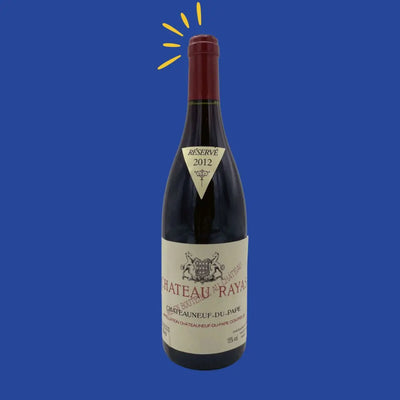
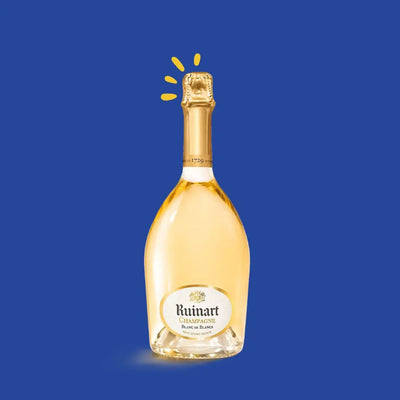
At Easter, choosing the right wine is essential to enhance the meal and bring family and friends together around the table. Wondering which wines to serve with the traditional dishes? This article offers a complete look at five essential Easter wines, suited to each stage of the meal. Whether you are thinking of a full-bodied red with the lamb or a sweet wine with the chocolate, this guide will help you make refined choices that suit your tastes and budget.
Why choose specific wines for Easter?
The Easter meal is a time of sharing, where food and wine pairings play a key role in a successful tasting experience. Each dish, from Easter pâté to Easter lamb, calls for a suitable wine to fully reveal its flavours. This culinary diversity therefore requires carefully chosen wines that can satisfy the varied palates around the table. A good Easter wine brings pleasure, conviviality and a unique festive touch. Find out here which champagne to choose for Easter 2026 as well as the five Easter wines that make the difference.
Our pick for this article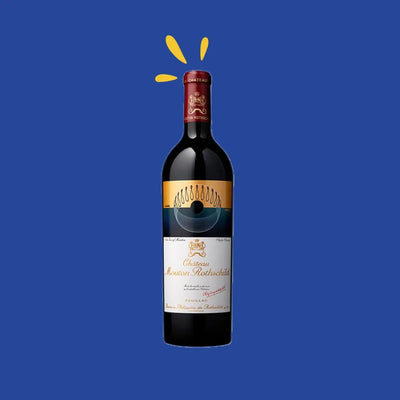
The five Easter wines: an essential selection
This selection of five Easter wines covers a wide range of aromatic profiles and food pairings, giving everyone the variety needed for a complete, balanced meal. We detail these wines according to their style and the dishes they accompany, taking into account the appellations and grapes associated with the Easter tradition. Follow our guide to choose a full-bodied red, an elegant dry white, an unusual orange wine, a festive sparkling wine and a fortified sweet wine for dessert.
1. A full-bodied red wine for Easter lamb
Easter lamb, whether leg or rack, calls for a full-bodied, powerful red wine. A wine from Bordeaux, the Rhône Valley or Burgundy is often the answer, thanks to its structured tannins and generous body, which balance the richness of the meat perfectly. For example, a Pauillac shows notes of blackcurrant and graphite, with firm but elegant tannins. Saint-Émilion is often softer and fruitier, while Châteauneuf-du-Pape appeals with its intensity and spicy aromas. Serve these wines slightly below room temperature, around 16 to 18 °C, and don't hesitate to decant them an hour before tasting to reveal their complexity. Depending on the cooking, a fuller wine will suit a roast leg better, while a Saint-Émilion works well with a more delicate rack.
2. An elegant dry white for ham or starters
To accompany starters such as Easter pâté or ham on the bone, a crisp dry white is ideal. White wines from Alsace, Burgundy or the Loire Valley stand out for their elegance, lively acidity and freshness. For example, an Alsace Riesling appeals with its mineral and fruity notes, perfectly suited to the balance between the saltiness of the ham and the delicacy of the meat. A white Sancerre or a white Burgundy will bring lovely structure and subtle aromas, making the dish brighter. It is important to serve these wines well chilled, around 10 to 12 °C, to contrast with the slightly sweet or salty flavours of the meal and provide a pleasant refreshing effect.
3. An orange or skin-contact wine for unusual pairings
Orange wine, made by skin maceration, brings a welcome touch of originality to Easter. Its amber colour and complex aromas, often spicy and slightly bitter, make it a very complete wine. This type of wine, like those from Friuli in Italy or some from Niagara, pairs surprisingly well with egg dishes or ham on the bone, where its delicate tannins and generous texture find a perfect balance. Served cool (around 12 to 14 °C), orange wine will surprise and delight those who love discovering new things, bringing a rustic yet elegant note to a traditional meal.
4. A sparkling wine or champagne for the Easter aperitif
The aperitif is the perfect moment to open a bottle of sparkling wine or champagne. The bubbles bring freshness and lightness, stimulating the appetite and creating a festive atmosphere. For Easter, choose a vintage champagne or a local sparkling wine made by the traditional method, sometimes paired with slightly sweet flavours such as maple syrup, very popular in North America. A refined champagne from our wide selection of champagnes will go perfectly with classic aperitifs such as asparagus or Easter canapés. On the other hand, avoid champagne with chocolate desserts, which are often incompatible, and serve it at the start of the meal to get the party sparkling.
5. A fortified or sweet wine to go with chocolate
To end the meal in style, a fortified sweet wine or a dessert wine is an essential partner for chocolate, whether dark, milk, white or praline. Maury, Port and some late-harvest Rieslings shine with their harmonious balance between sweetness and acidity. This balance highlights the delicate chocolate flavours without overwhelming them. Avoid wines that are too dry or too acidic, which unbalance the pairing. Choose a wine with a pronounced finish and generous body for an indulgent match. Served slightly chilled, it brings sweetness and roundness, enhancing the dessert.
How to choose your wines according to the Easter menu
Matching your wine to the Easter meal is essential for a harmonious tasting. Choose lighter wines for the starter and fuller ones for the main course, especially with lamb or dishes in sauce. Think about the diversity of culinary traditions, from the American family table to European recipes, which gives you plenty of flexibility. Finally, enjoy these wines in moderation, in a spirit of conviviality and sharing, which is what makes Easter so special.
Wine regions to favour for Easter
For an ideal selection, focus on renowned regions such as Bordeaux, Burgundy, the Rhône Valley, Alsace, the Loire Valley, Corsica and even Quebec. Bordeaux brings tannic red wines, perfect with lamb, while Burgundy offers elegance and finesse. The Rhône Valley offers power and spice. Alsace appeals with its fruity dry whites. Corsica adds a unique Mediterranean touch, while Quebec offers original wines such as light reds or organic and natural wines. These terroirs offer a wide range to suit all budgets and tastes.
FAQ: answers to common questions about Easter wines
Which wine for Easter?
- A full-bodied red with the lamb, a dry white with the ham or starters, and a sweet wine with the chocolate are the classic, safe pairings for Easter.
What are the 5 best wines in the world for Easter?
- The best wines vary with preferences and traditions, but great growths from Bordeaux, Burgundy and the Rhône often feature, along with local wines or organic and natural wines for a successful meal.
What is a good Easter wine?
- A good Easter wine is one that pairs well with the dishes served, bringing balance and pleasure while adding to the conviviality of the occasion.
Which 5 classified growths are recommended?
- Among the great wines suited to Easter dishes are Pauillac, Saint-Émilion, Pessac-Léognan, Châteauneuf-du-Pape and some renowned Burgundy Grands Crus.
Tips for serving and storing your Easter wines
- Serve full-bodied reds between 16 and 18 °C, and dry whites well chilled at 10 to 12 °C.
- For powerful reds, aerate or decant an hour before tasting to release the aromas.
- Keep whites and champagnes in a cool place, away from light and heat, before the meal.
- After opening, use a vacuum pump to preserve the freshness and aromas of the remaining bottles.
To discover a wide range of exceptional wines and spirits, why not explore our selection of bottles? Find the perfect wine for every moment of Easter, combining tradition and originality.