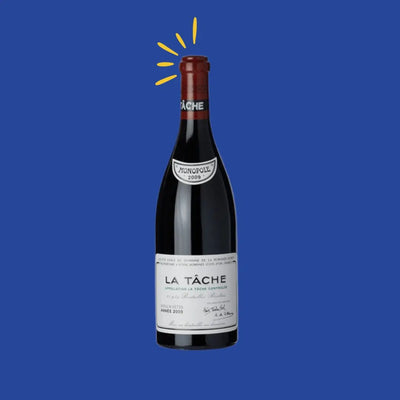
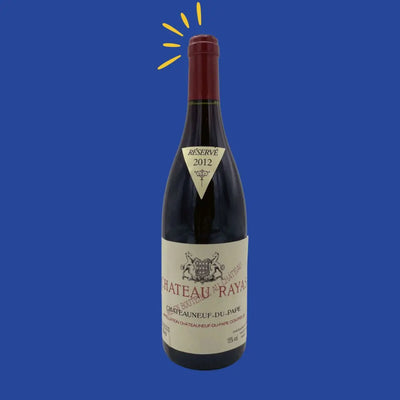
Investing in wine appeals to more and more enthusiasts who want to diversify their wealth with an alternative investment. Grands crus, rare bottles, sought-after vintages or en primeur wines can be an original way to build an investment cellar. But wine remains a particular asset that requires good knowledge of the market, the estates and storage conditions. Here are three main reasons behind the growing interest in wine investment.
1. Diversifying your wealth with a tangible asset
The first reason to invest in wine is diversification.
Unlike a share or a bond, a bottle of wine is a tangible asset. It can be kept in a cellar, passed on, resold or drunk.
This explains why wine is often seen as a passion investment. It can complement a traditional portfolio with an asset that behaves differently from financial markets.
An investment cellar can include great wines from Bordeaux, Burgundy or the Rhône Valley. The aim is generally to diversify regions, estates and vintages to limit dependence on a single reference.
Diversification remains essential, however. Investing in wine does not mean putting all your wealth into bottles, but rather gradually integrating this asset into a broader strategy.
Our pick for this article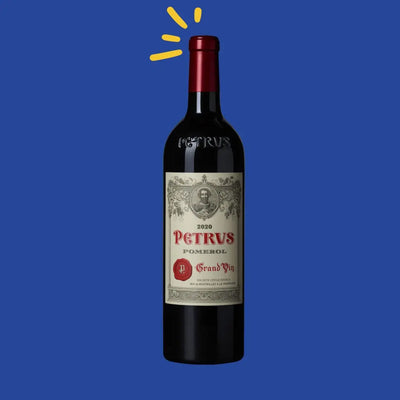
2. Benefiting from the rarity of great bottles
Rarity is one of the most important elements of the wine market.
When an estate produces a vintage, the number of bottles is limited. Once production is over, no identical new bottles can be created.
Over the years, some are drunk. The available stock therefore gradually shrinks.
When demand remains strong, this falling supply can contribute to the appreciation of the remaining bottles.
Bordeaux grands crus, certain Burgundy estates and some rare cuvées can thus become particularly sought after by enthusiasts and collectors.
The vintage also plays an important role. A year considered exceptional can attract more attention and influence a bottle's price.
But rarity does not automatically mean a capital gain. For a wine to increase in value, there must also be real demand on the market.
3. Combining investment and passion
Wine has a feature few investments offer: it can be both an investment and a collector's item.
Building a cellar lets you follow the evolution of great estates, hunt for certain vintages and gradually build wealth around wine.
This is why the expression "passion investment" is so often used.
An enthusiast may decide to keep some bottles with a view to resale and others for future enjoyment.
A cellar can also be passed on over the long term. Some collections are built over several decades and become a genuine family heritage.
This emotional dimension makes wine investment very different from a purely financial investment.
Which wines to choose for investment?
Not all wines have the same appreciation potential.
The most sought-after bottles generally come from renowned estates, reputed vintages and relatively limited production.
Bordeaux holds an important place in this market thanks to its classified growths and en primeur wines.
Burgundy also attracts collectors because of the rarity of certain cuvées and the small volumes produced by some estates.
The Rhône Valley also has several sought-after references.
Ageing potential is essential too. A wine capable of ageing for several decades can remain of great interest to collectors.
The importance of storage
A badly stored bottle can lose much of its value.
Temperature must remain stable, humidity suitable, and bottles must be protected from light and vibration.
Provenance also matters at resale. A bottle with a clear storage history inspires more confidence in buyers.
The condition of the label, capsule and cork can also influence the price, especially for old or particularly rare bottles.
Wine investment: what are the risks?
Investing in wine involves risk.
A bottle's value can rise, stay stable or fall. The market moves with supply and demand, the reputation of estates and collectors' tastes.
Liquidity is also lower than for some financial investments. A bottle may be valued at a certain price without being resold immediately.
Storage costs, resale commissions, insurance and tax must also be taken into account.
Wine should therefore be seen as a medium- to long-term investment, not as a source of guaranteed returns.
Why invest in wine?
Investing in wine can ultimately meet three goals: diversifying your wealth, benefiting from the rarity of certain grands crus and building a collection around a passion.
Bordeaux, Burgundy, great estates, rare bottles and sought-after vintages offer many ways to create an investment cellar.
But a coherent strategy rests above all on wine selection, storage and good knowledge of the market.
Wine can thus become a real long-term asset, combining value, rarity, transmission and the pleasure of collecting.