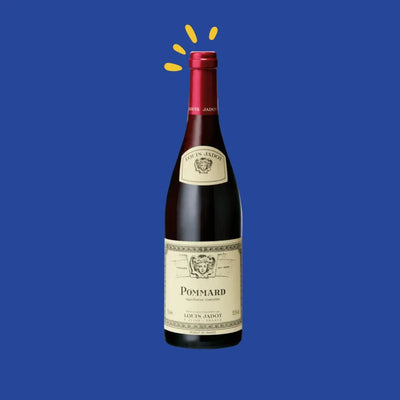
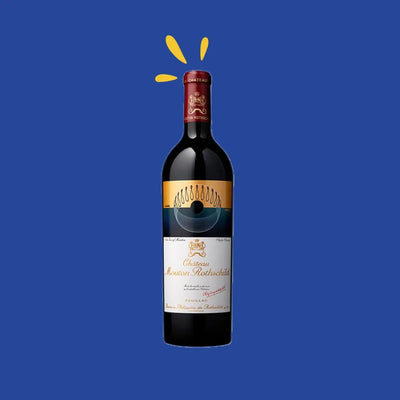
A new chapter in the history of the Michelin Guide
For over a hundred years, the Michelin Guide has been an essential reference for food lovers. Through its famous stars, it rewards the best restaurants and highlights establishments offering an exceptional culinary experience. Today, this expertise extends to the world of wine with the creation of the MICHELIN Grape, a distinction designed to showcase the most remarkable wine estates.
This new edition marks a turning point for the wine sector. It is not limited to the quality of a bottle or a vintage, but takes into account the whole experience offered by the estate, its craft, its terroir and its commitment to excellence.
Our pick for this article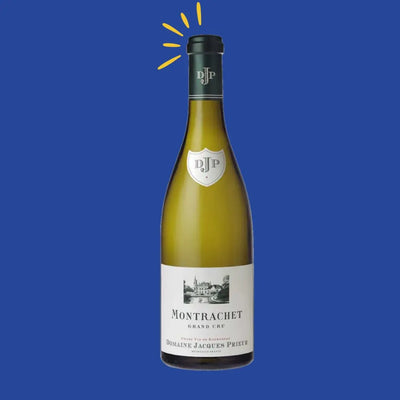
Why create a wine edition of the Michelin Guide?
Wine is inseparable from gastronomy. Every year, millions of travellers tour France's wine regions to discover vineyards, meet producers and taste exceptional cuvées. Yet until now there was no international system comparable to Michelin stars for quickly identifying the best wine estates.
With the MICHELIN Grape, the famous guide meets this need. Its aim is to give wine lovers, sommeliers, restaurateurs and tourists a reliable benchmark based on an independent methodology.
The new selection also highlights producers who are sometimes less well known, but whose wine quality and respect for terroir deserve international recognition.
The MICHELIN Grape: a distinction based on excellence
The MICHELIN Grape rests on several precise criteria used to assess a wine estate as a whole.
The inspectors notably look at:
- the quality of the wines;
- consistency across vintages;
- the work done in the vineyards;
- respect for terroir;
- the identity of the cuvées;
- the producer's craft;
- the tasting experience;
- the welcome given to visitors.
This holistic approach sets the MICHELIN Grape apart from traditional rankings focused solely on tasting a wine.
Terroir at the heart of the selection
Terroir is one of the most important elements in the assessment of wine estates.
Each region has geological, climatic and historical characteristics that directly influence the aromatic profile of its wines. Michelin Guide inspectors therefore pay particular attention to producers' ability to express the identity of their terroir.
This philosophy highlights the work of winemakers who favour environmentally friendly viticulture and production faithful to the natural characteristics of their plots.
Burgundy and Bordeaux lead the way
To launch this new edition, the Michelin Guide naturally turned to two of France's most prestigious wine regions.
Burgundy
Burgundy is renowned worldwide for its grands crus, its prestigious appellations and its emblematic grapes such as Chardonnay and Pinot Noir.
The richness of its climats produces unique wines whose reputation extends far beyond France. The selected estates perfectly illustrate the diversity of Burgundy's wine heritage.
Bordeaux
Bordeaux also holds an essential place in this new distinction.
Famous for its great châteaux and complex blends, the region has long attracted collectors, fine wine lovers and investors. The distinguished estates show their ability to maintain consistent quality while continuing traditions that are sometimes centuries old.
An opportunity for producers
Earning a MICHELIN Grape is a real asset for a wine estate.
This recognition improves visibility among French and international consumers. It also strengthens producers' credibility with restaurant professionals, wine merchants and distributors.
For small estates, the distinction is a unique opportunity to gain recognition without large marketing budgets.
A driver for wine tourism
Wine tourism has been growing steadily for several years. Visitors now look for immersive experiences that let them discover a vineyard, talk with a producer and understand the different stages of winegrowing.
Thanks to the Michelin Guide, travellers now have a new tool for planning their routes through the great wine regions.
The distinction also benefits rural areas by encouraging visitors to extend their stay, discover local heritage and support the regional economy.
An independent methodology
As with restaurants, Michelin Guide inspectors work anonymously.
Their task is to visit estates, take part in tastings and observe how the whole operation works. This independence guarantees an impartial selection based solely on quality.
Producers can neither request an assessment nor influence the selection process. This rigour has been one of the Michelin Guide's main strengths since its creation.
A reference for food lovers
The creation of this wine edition reflects the Michelin Guide's wish to accompany consumers throughout their gastronomic experience.
Today, an exceptional meal is no longer limited to the plate. Choosing the wine, discovering an estate, meeting a winemaker or understanding the terroir are all part of the pleasure of tasting.
The MICHELIN Grape responds to these changing expectations with a coherent selection linking gastronomy, heritage and wine culture.
What impact on the wine market?
Although the distinction is recent, many observers believe it could quickly influence the market for quality wines.
Greater visibility often brings more visitors to estates, greater interest in certain cuvées and stronger recognition among professionals.
In the long run, the MICHELIN Grape could become a true mark of excellence, just like Michelin stars in the restaurant world.
Conclusion
With the MICHELIN Grape, the Michelin Guide takes a new step by honouring the wine estates that embody excellence. The distinction rewards producers' craft, the richness of terroirs, the quality of the wines and the experience offered to visitors.
Whether you want to discover the vineyards of Burgundy, the great châteaux of Bordeaux or plan a wine tourism trip, this new edition is a valuable guide for wine lovers and professionals alike. By showcasing the most remarkable estates, the Michelin Guide once again confirms its role as an international reference in gastronomy and wine heritage.