Patrick Bruel is best known for his career in music and film, but for several years he has also developed a real passion for wine. In L'Isle-sur-la-Sorgue, in the Vaucluse, Domaine de Leos has become the heart of this project. Vines, olive trees, gastronomy and the Provençal terroir come together around several cuvées. With Cuvée Augusta, notably in rosé and white, Patrick Bruel aims to offer wines marked by freshness, finesse and balance.
Domaine de Leos, a personal story
Patrick Bruel acquired Domaine de Leos in 2007 in L'Isle-sur-la-Sorgue. Before becoming a winemaking project, the property developed mainly around olive trees and olive oil production.
Gradually, the vines took on a more important role. The estate then evolved towards genuine wine production, with the aim of showcasing the terroir and Mediterranean grape varieties.
The name LEOS also has a family meaning: it refers to Léon and Oscar, Patrick Bruel's two sons.
This personal dimension has accompanied the estate from the start and is part of its identity.
Our pick for this article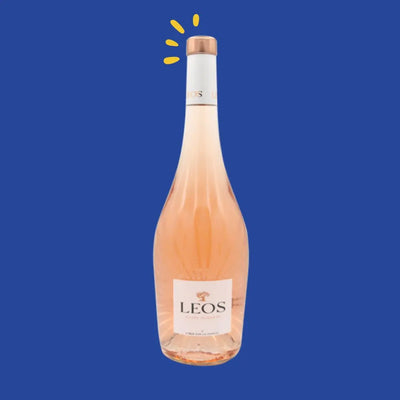
Patrick Bruel and his passion for wine
Patrick Bruel has been interested in wine for many years. With Domaine de Leos, however, he moved from enthusiast to owner directly involved in a winemaking project.
Making wine means following the vines throughout the year, choosing when to harvest, working with the grapes and then thinking about vinification, blending and ageing.
To develop its cuvées, the estate works notably with Nicolas Jaboulet, from a family closely linked to the winemaking history of the Rhône Valley.
This collaboration brings additional expertise and helps gradually build an identity around food-friendly wines.
Cuvée Augusta rosé: LEOS's flagship wine
Cuvée Augusta rosé is today one of Domaine de Leos's best-known wines.
Its aim is to offer a rosé that goes beyond the aperitif. The estate seeks a food wine combining freshness, roundness, finesse and length.
Its aromatic profile can evoke red fruit, citrus and floral notes.
Mediterranean grapes such as Grenache, Rolle or Cinsault contribute to its identity depending on the blend.
Its pale colour recalls the great rosés of southern France, but Cuvée Augusta above all seeks to keep enough substance to accompany a meal.
A rosé designed for the table
Rosé drinking has changed a great deal. It is no longer associated only with summer days and aperitifs.
Some producers now make genuine gastronomic rosés that can accompany fish, shellfish, Mediterranean cuisine or grilled vegetables.
LEOS rosé is part of this trend.
Its freshness balances dishes while its roundness gives more presence on the palate.
Red fruit, citrus and floral notes also make it approachable while keeping a certain elegance.
Cuvée Augusta also comes in white
Domaine de Leos has gradually expanded its range with a white Cuvée Augusta.
This white is based on several Mediterranean grapes. Grenache Blanc, Clairette, Roussanne or Bourboulenc may be part of the blend.
They bring aromas of white fruit, citrus and flowers while preserving freshness.
The palate seeks a balance between liveliness, roundness and length.
Like the rosé, the white Augusta is food-oriented and can accompany fish, seafood, poultry or cheese.
The red, a new facet of Domaine de Leos
Developing red wines allows Domaine de Leos to explore a new expression of its terroir.
Red and black fruit, spice, structure and depth then become more present.
In a Mediterranean climate, one of the challenges is to keep enough freshness despite the ripeness of the grapes.
Blending and ageing must therefore find a balance between power, roundness and finesse.
With the rosé, the white and now the red, LEOS is gradually building a range that represents several facets of the estate.
The Provençal terroir at the centre of the project
Terroir plays an essential role in Domaine de Leos's identity.
Climate, soils, vine exposure and the conditions of each vintage directly influence the quality and style of the grapes.
The Mediterranean heat brings good ripeness, but freshness is particularly sought after to keep the wines balanced.
The harvest must therefore take place at the right moment.
This desire to showcase the terroir is also found in the estate's other products, notably its olive trees and olive oil.
Why does Patrick Bruel's wine attract so much interest?
Patrick Bruel's name naturally brings strong visibility to Domaine de Leos, but the project is not limited to his fame.
The property has developed for several years around a genuine agricultural approach. Vines, olive trees, olive oil, rosé, white and red contribute to a coherent whole.
The collaboration with Nicolas Jaboulet also strengthens the winemaking dimension of the project.
LEOS thus seeks to build an identity independent of its owner's artistic career, with wines that convince through their freshness, finesse and gastronomic character.
Domaine de Leos: a project between wine and gastronomy
Domaine de Leos today represents much more than a wine associated with Patrick Bruel.
In L'Isle-sur-la-Sorgue, the estate brings together passion, family, terroir, vines and gastronomy.
Cuvée Augusta rosé remains one of its most emblematic wines, with a profile marked by red fruit, citrus, freshness and elegance. The white completes the range with more white fruit and floral notes, while the red explores more structured profiles.
With LEOS, Patrick Bruel is gradually developing a genuine winemaking identity around the Provençal terroir, know-how and wines designed to accompany fine food.