Investing in wine and spirits attracts more and more investors looking for tangible assets and diversification. Wine, champagne, whisky, bourbon, cognac and rum can all interest collectors.
But these markets do not work in the same way.
Rarity, demand, liquidity, provenance and resale potential must be analysed before any purchase.
Wine: the historical reference
Wine remains one of the most structured markets.
Great Bordeaux, some Burgundy references, Italian wines and several Champagne cuvées have a relatively active secondary market.
The estate's reputation, the vintage, storage and provenance play a major role.
Wine can suit an investor who wants to compare several regions and build a diversified portfolio.
Our pick for this article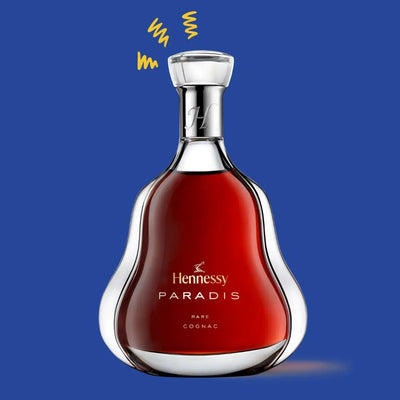
Bordeaux or Burgundy?
Bordeaux enjoys strong international renown.
Its great properties often have a price history that is easier to track.
This can make it easier to analyse liquidity and demand.
Burgundy works more on rarity.
Some plots produce very few bottles.
When demand remains strong, this limited supply can support value.
But the Burgundy market often requires more knowledge.
Champagne: prestige and consumption
Champagne works in a particular way.
It is drunk, given as a gift and collected.
Some prestige cuvées and vintages therefore become rarer over time.
The great houses also enjoy strong international visibility.
This can support demand on the secondary market.
But not all bottles have the same potential.
Widely produced cuvées must be distinguished from genuinely rare references.
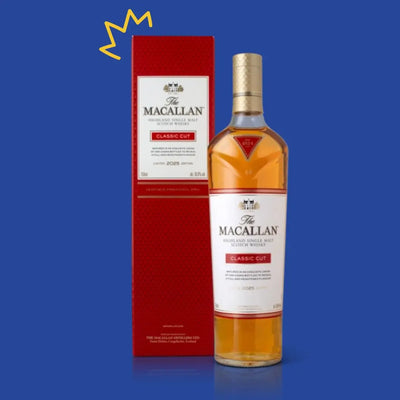
Whisky: a collector's market
Whisky mainly attracts collectors.
Limited editions, old bottles and closed distilleries can be particularly sought after.
Scotch whisky remains very present on the market.
Japanese whisky also keeps a strong image with some buyers.
In this sector, the distillery's reputation is essential.
But a rare bottle is not automatically easy to resell.
Liquidity must always be checked.
Limited editions call for caution
The words "limited edition" can seem attractive.
Yet they guarantee nothing.
Some series are produced in large quantities.
Others benefit mainly from a marketing effect.
Before investing, look at the real number of bottles, demand, the brand's reputation and prices observed on the secondary market.
Rarity must be real, not simply announced.
Bourbon: a developing category
Bourbon is gradually attracting more collectors.
Some limited American releases can reach high prices.
But the market remains shallower than for Scotch.
Liquidity can therefore be lower.
Bourbon can be interesting for diversifying a portfolio, but it requires rigorous selection.
Cognac: a more confidential market
Cognac also has its collectors.
Some old bottles, prestige decanters and limited editions can be sought after.
The great houses enjoy a strong reputation.
But transaction volumes are often lower than for wine or whisky.
Resale can therefore take longer.
Rum: a still young market
Rum is moving significantly upmarket.
Some distilleries and old bottles increasingly interest enthusiasts.
But the market is still relatively young.
References are numerous and liquidity varies greatly.
Rum therefore suits investors who already know the producers and trends well.
Provenance is essential
Whatever the drink, provenance remains a major criterion.
A bottle with a clear history inspires more confidence.
For wine, storage conditions are fundamental.
For spirits, the condition of the cork, capsule, fill level and box can influence value.
Poor storage can reduce resale potential.
The secondary market gives the real signal
A bottle only has real value if buyers are willing to acquire it.
Auction results, trade transactions and frequency of sales help assess demand.
A regularly traded bottle often benefits from better liquidity.
Conversely, a rare but seldom-sold reference can be hard to value.
Consider the costs before investing
The purchase price is only part of the cost.
Storage, insurance, commissions, transport and resale fees must be taken into account.
These expenses can significantly reduce real performance.
Always think in terms of net return.
An increase in value on paper does not necessarily match the final gain.
Diversify across several categories
You do not have to choose a single market.
A portfolio can combine wine, champagne and whisky.
Wine offers a historical market.
Champagne combines prestige and rarity.
Whisky follows a more collector-oriented logic.
Bourbon, cognac or rum can complete this diversification.
Which drink to choose for investment?
The best choice depends on your profile.
Wine often suits those looking for a structured market.
Champagne can appeal to investors drawn to the great houses and vintages.
Whisky is better suited to collector profiles.
Other spirits offer more specialised markets.
In every case, analyse rarity, demand, provenance, liquidity and entry price.
Investing in wine and spirits therefore requires above all a clear strategy and a good understanding of the market.