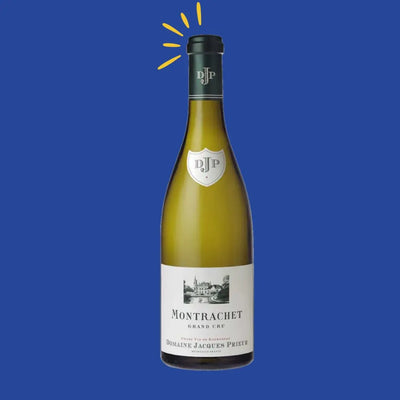
Chardonnay is one of the best-known and most popular white grapes in the world. Grown in Burgundy, Champagne, the Jura, California, Australia and many other wine regions, it has a remarkable ability to express the characteristics of its terroir. Depending on climate, soil, vintage and the producer's choices, it can produce fresh, mineral wines as well as rich, complex cuvées able to age for several decades.
For white wine lovers, age-worthy Chardonnay is a particularly interesting category. Some bottles can improve with time, become rarer and attract collectors' attention. It is, however, essential to distinguish a good Chardonnay to drink young from a wine with real potential for ageing and appreciation.
Choosing a Chardonnay for a collector's cellar therefore requires considering several criteria: the estate's reputation, the appellation, the classification level, the quality of the vintage, the rarity of the cuvée, provenance and storage conditions.
What is an age-worthy Chardonnay?
An age-worthy Chardonnay is a white wine able to keep for several years while developing new aromas and greater complexity. Not all wines made from this grape have this ability.
A simple Chardonnay, made to be drunk soon, generally favours freshness, fruit and approachability. A wine for ageing, by contrast, often has deeper structure, sufficient acidity, balanced substance and concentration that allow slow evolution.
In its youth, an age-worthy Chardonnay can offer aromas of lemon, apple, pear, white flowers, peach or wet stone. After several years in the cellar, it can develop more complex notes of hazelnut, almond, honey, butter, brioche, wax, spice or dried fruit.
This aromatic evolution explains why some enthusiasts prefer to wait before opening their bottles. Time allows the wine to gain harmony and express more of its terroir's personality.
Our pick for this article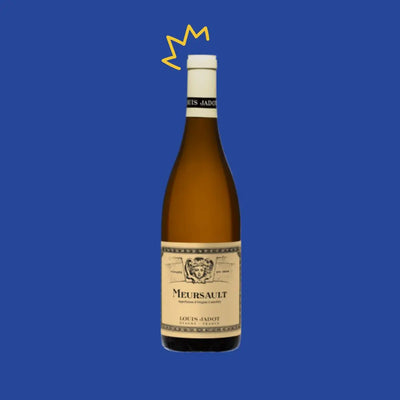
Why are Burgundy Chardonnays so sought after?
Burgundy holds a special place in the world of Chardonnay. It produces some of the most prestigious and expensive white wines on the market. This reputation rests on the diversity of its terroirs, the precision of its appellations and the know-how of estates recognised for generations.
The Burgundy vineyard is divided into climats and plots, sometimes very small. This encourages a great diversity of styles. Two Chardonnays from neighbouring villages can have very different profiles.
Burgundy white wines are classified at several levels:
- regional appellations;
- village appellations;
- Premiers Crus;
- Grands Crus.
The higher the classification, the more limited production generally is. However, the prestige of an appellation is not enough. The quality of the estate remains essential.
A Grand Cru from a little-sought-after estate will not necessarily gain more value than a Premier Cru made by a highly reputed producer. In fine wine collecting, the estate's name often matters as much as the terroir.
Chardonnay appellations to know
Some appellations are regularly associated with great age-worthy Chardonnays.
Meursault
Meursault is known for rich, ample and complex white wines. The best Meursaults often show notes of yellow fruit, hazelnut, flowers, butter and minerality.
The appellation has no Grand Cru, but several Premiers Crus are highly sought after. Some producers enjoy an international reputation and their bottles become hard to find after release.
Meursault is therefore an important appellation for enthusiasts wishing to build a cellar of white Burgundy.
Puligny-Montrachet
Puligny-Montrachet is associated with fine, precise and elegant Chardonnays. The wines can develop aromas of citrus, white flowers, stone, white-fleshed fruit and, with age, hazelnut.
The appellation is home to several renowned Premiers Crus and some of the most famous Grands Crus in the world. The rarity of some cuvées and international demand strongly support their prices.
Chassagne-Montrachet
Chassagne-Montrachet Chardonnays are often richer and more structured. They can show aromas of ripe fruit, flowers, butter, spice and minerality.
The Premiers Crus often offer an excellent balance between prestige, ageing ability and price. The best estates are nonetheless highly sought after and some cuvées are released in limited quantities.
Chablis
Chablis produces Chardonnays marked by freshness, tension and minerality. Limestone soils and a cooler climate give wines that are generally less rich than those of the Côte de Beaune.
Chablis Premiers Crus and Grands Crus can keep for a long time. They are sometimes a more accessible option for starting a collection of age-worthy Chardonnay.
Corton-Charlemagne
Corton-Charlemagne is a Grand Cru renowned for its power, structure and ageing potential. The wines can need several years to reveal their full complexity.
Over time, the best bottles develop aromas of yellow fruit, citrus, stone, honey, hazelnut and spice.
The role of rarity in a bottle's value
Rarity is an important factor in a wine's value. A cuvée produced in small quantities can become hard to find a few years after release.
However, rarity alone is not enough. A rare but little-demanded bottle will not necessarily gain value. To become sought after, a wine must combine several qualities:
- limited production;
- a recognised estate;
- a prestigious appellation;
- a well-regarded vintage;
- strong demand;
- good ageing ability.
Wines sold by allocation can be particularly sought after. In this system, the producer or négociant reserves a limited number of bottles for certain customers. The most prestigious cuvées then quickly reach the secondary market.
Rarity can also come from a particular event: a small harvest, frost, hail, lower yields or a discontinued cuvée. These factors can reduce available supply and heighten collectors' interest.
How to choose a good Chardonnay vintage
The vintage is the year the grapes were harvested. It strongly influences the wine's style and ageing potential.
In a hot year, grapes generally reach greater ripeness. The wines can be richer, fruitier and rounder. In a cool year, they can show more acidity, tension and minerality.
For an age-worthy Chardonnay, balance is essential. A wine that is too ripe may lack freshness, while one that is too acidic may seem austere. The best vintages combine concentration, precision and structure.
It is important to consult several sources before buying:
- tasters' opinions;
- harvest reports;
- critics' scores;
- the producer's reputation;
- results observed across the appellation.
Avoid treating a vintage as good or bad for an entire region. An experienced estate can make an excellent wine in a difficult year thanks to rigorous grape selection and precise cellar work.
The estate's reputation: a decisive criterion
In the fine wine market, the estate is often one of the first things buyers look at.
A recognised producer inspires confidence. Their consistency, know-how and history increase the appeal of their bottles. Some estates have such a reputation that their wines are sought after from release.
Producers often associated with great Burgundy Chardonnays include:
- Domaine Leflaive;
- Coche-Dury;
- Domaine des Comtes Lafon;
- Domaine Raveneau;
- Domaine Vincent Dauvissat;
- Bonneau du Martray;
- Domaine de la Romanée-Conti;
- Domaine Leroy.
These names have become references, but their bottles can be very expensive. To build a coherent cellar, it can also make sense to look for lesser-known estates on the rise.
Some young winemakers or recently taken-over estates can offer high-quality wines at still reasonable prices. This approach requires more knowledge and follow-up, but it can help you discover tomorrow's references.
The importance of provenance
Provenance is a bottle's history since release. It includes where it was bought, its successive owners, storage conditions and any transport.
For a collector's wine, clear provenance increases confidence. A bottle bought directly from the estate or from a recognised wine merchant generally has better traceability.
Conversely, a bottle kept somewhere too warm, moved several times or stored upright for years may be weakened.
When buying, check:
- the fill level;
- the condition of the cork;
- the condition of the capsule;
- the quality of the label;
- the absence of seepage;
- storage conditions;
- the presence of an invoice.
A slightly damaged label does not necessarily mean the wine is bad, but it can reduce its value for collectors.
How to store age-worthy Chardonnay
Storage is essential to preserve the wine's quality. A rare bottle stored badly can lose all its interest.
The ideal temperature is generally around 12 °C. Above all, it must remain stable. Sudden changes can speed up ageing and damage the cork.
Humidity should be sufficient to stop the cork drying out. A cellar that is too damp can, however, damage labels and cartons.
Bottles should be protected from light, vibration and strong odours. It is best to store them lying down so the wine stays in contact with the cork.
For bottles that may be resold, keep the wooden cases, original cartons and all invoices.
Buy one bottle or several?
For a Chardonnay meant for ageing, buying several bottles of the same cuvée has several advantages.
You can open one after a few years to see how it is evolving. The others can then be kept longer.
Buying three or six bottles also lets you keep part of the selection for drinking and part for possible resale.
Full cases can be valued more highly than single bottles, especially when they have remained sealed and been stored in good conditions.
It is nevertheless better to diversify your cellar than to concentrate your whole budget on a single cuvée.
Mistakes to avoid
Several mistakes are common when buying collectible Chardonnay.
The first is buying solely on the basis of a critic's score. A good score can support demand, but it does not guarantee an increase in value.
The second is overlooking additional costs. Storage, insurance, transport and resale commissions can reduce returns.
The third is buying a bottle without checking its provenance.
Finally, do not assume that all great Burgundy wines automatically gain value. The market evolves with demand, the estates' reputations and economic conditions.
Building a balanced Chardonnay cellar
A Chardonnay cellar can be organised across several price and ageing levels.
It might include:
- Chablis Premiers Crus to drink within a few years;
- Chablis Grands Crus for longer ageing;
- village Meursaults from good producers;
- Meursault Premiers Crus;
- Puligny-Montrachet Premiers Crus;
- age-worthy Chassagne-Montrachet;
- one or more Corton-Charlemagnes;
- a few rarer bottles from prestigious estates.
This diversification lets you discover several styles of Chardonnay while limiting the risks tied to a single appellation or vintage.
Conclusion
Choosing an age-worthy Chardonnay requires more thought than buying a simple white wine. Appellation, estate, vintage, rarity, provenance and storage are all criteria to consider.
The great white wines of Burgundy remain references for collectors. Meursault, Puligny-Montrachet, Chassagne-Montrachet, Chablis and Corton-Charlemagne offer different profiles and remarkable ageing ability.
A collectible Chardonnay must above all be a quality wine, able to evolve well over time. Any increase in value should never be considered guaranteed.
The best strategy is to select bottles from reliable estates, diversify appellations and ensure perfect storage. A well-built cellar can thus combine the pleasure of tasting, the discovery of terroirs and long-term value potential.
Discover at Le Caveau des Pépites a selection of Chardonnays and age-worthy white wines, chosen for their quality, character and ability to evolve.