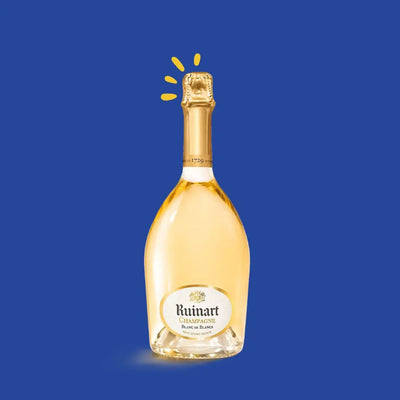
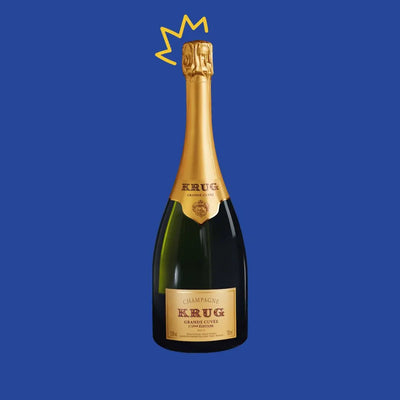
Here is a regulatory exception that few people know: in Europe, it is forbidden to produce a rosé wine by blending red and white wine. Except in Champagne.
This exception explains a good part of what distinguishes rosé champagnes from others. To see what is available, browse our rosé champagnes.
The two methods
Assemblage rosé
This is the majority method in Champagne. A white wine, like a classic champagne, and a still red wine made from Pinot Noir or Pinot Meunier are produced separately.
At the time of blending, a limited proportion of red wine is added to the white wine, generally between five and fifteen percent, to obtain the desired color and profile.
Advantages: total control over the color and profile, consistency from year to year, and the ability to precisely adjust the balance.
Difficulty: it is necessary to produce a quality Champagne red wine. At this latitude, obtaining a ripe Pinot Noir that is red and free from greenness is a delicate exercise, which requires the best grapes.
Saignée rosé
The classic method for still rosés, used by a minority of Champagne producers.
The black grapes are left to macerate for a few hours with their juice, which takes on color in contact with the skins. Then the juice is racked, the tank is bled, and the pinked juice is vinified like a white wine.
Advantages: more substance, structure, and aromatic intensity. The wines are more wine-like.
Difficulty: control is more random. Maceration also extracts tannins and heavier compounds, and the color is more difficult to control precisely.
Our pick for this article
Why the Champagne exception exists
It is historical. The production of rosé champagne by blending is an ancient practice, predating modern European regulations.
It was maintained during the harmonization of the rules precisely because it corresponded to an established and recognized practice, and not to a cheap production expedient.
The difference is important: in the Champagne case, the red wine added is a quality wine, often from the best plots, not a byproduct.
How to recognize the two styles
- An assemblage rosé: generally paler, salmon color. Finer, airier profile, with fresh red fruits and a tight finish.
- A saignée rosé: deeper color, sometimes raspberry. More wine-like profile, with more substance and a more perceptible tannic structure.
Neither is superior. The first is better suited to aperitifs and delicate dishes, the second to more assertive cuisine.
The Billecart-Salmon Rosé falls under the first style, in its most accomplished version.
What color does not say
Two misconceptions deserve to be corrected.
A rosé champagne is not sweeter. The color comes from the red wine or the maceration, not from the dosage. A brut rosé contains the same amount of sugar as a brut white.
A darker rosé is not necessarily more powerful. The color depends on the method and the proportion of red wine, not necessarily on the intensity on the palate.
Why rosé champagnes cost more
- The production of red wine uses quality grapes that could have been used for white wine.
- The risk is higher: obtaining a ripe red in Champagne is not guaranteed every year.
- The volumes are lower: rosé represents a minority share of Champagne production.
- The demand is strong, especially for export.
How to serve a rosé champagne
- Temperature: 10 to 11 degrees. Too cold, the fruit disappears.
- Glass: a medium-sized white wine glass.
- At the table: this is where it excels. Pigeon, duck, tuna, salmon, truffled poultry, Iberian ham.
- Aging: three to eight years for a brut rosé, more for a prestige cuvée.
Frequently asked questions
Can red and white be blended elsewhere?
No, it is forbidden for still wines in Europe. Champagne is the exception, for historical reasons.
Which method is best?
Neither. Blending offers more precision, saignée more substance. It is a choice of style.
Does a rosé champagne age?
Yes, unlike a still rosé. Good cuvées gain complexity over five to ten years.
What dish to avoid it with?
Sweet desserts, against which all brut champagne seems acidic. See our dosage guide.
Order your rosé champagnes from Le Caveau des Pépites
We work directly to guarantee the origin and traceability of each bottle. Storage in our climate-controlled warehouses with controlled humidity in France, hand-cushioned and packaged, shipped from mainland France with tracked and insured transport. Free delivery from 300 euros. Customer service available 7 days a week, in French and English.
To go further: the Billecart-Salmon rosé and Amour de Deutz Rosé.