Chablis Premier Cru holds a special place among the great white wines of Burgundy. Made exclusively from Chardonnay, it wins people over with its freshness, minerality, finesse and ability to evolve over time. With its Kimmeridgian terroir, renowned climats and precise expression of the grape, Chablis Premier Cru perfectly embodies the identity of the Chablis vineyard.
A unique terroir in Burgundy
The Chablis vineyard lies in northern Burgundy, around the Serein valley. Its terroir is particularly known for its Kimmeridgian subsoil of limestone and marl. This geology plays an essential role in the wines' identity and contributes to the tension and minerality so often associated with Chablis.
Chardonnay, the only grape permitted in the Chablis appellations, finds ideal conditions here. The relatively cool climate preserves good natural acidity, while the limestone soils produce precise, taut and elegant wines.
Chablis Premier Cru differs from standard Chablis in that its plots enjoy particularly favourable conditions. Exposure, slope, soil and microclimate can all deeply influence the style of the wine.
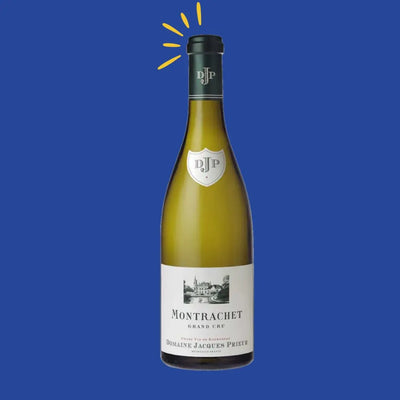
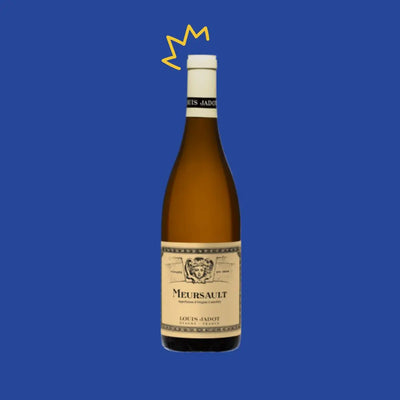
Our pick for this article
The climats of Chablis Premier Cru
In Burgundy, the word "climat" refers to a precisely delimited vineyard plot with its own history, exposure and characteristics.
Among the best-known Chablis Premier Cru climats are Fourchaume, Montée de Tonnerre, Vaillons and Montmains. Each has a different personality.
Fourchaume is often associated with generous, structured and expressive wines. Montée de Tonnerre is especially sought after for its finesse, tension and stylistic closeness to some Grands Crus. Vaillons can offer a rounder, fruitier profile, while Montmains often stands out for its great freshness and fine minerality.
This diversity allows Chablis Premier Cru to offer many expressions of Chardonnay.
How to taste a Chablis Premier Cru
In the glass, Chablis Premier Cru usually shows a pale, bright colour with yellow or slightly golden highlights depending on its age.
On the nose, the aromas can evoke citrus, lemon, green apple, white fruit and white flowers. More mineral nuances can gradually appear, sometimes reminiscent of flint, wet stone or a light iodine touch.
On the palate, the freshness is often immediately noticeable. Acidity brings tension, while the texture can gain roundness depending on the climat, the vintage and the ageing method.
Over time, the wine can develop greater complexity. The aromas evolve towards ripe fruit, almond, light honey or sometimes undergrowth, while keeping that characteristic mineral identity.
Chablis Premier Cru and Grand Cru: what are the differences?
The Chablis vineyard has several appellation levels, including Chablis, Chablis Premier Cru and Chablis Grand Cru.
Chablis Premier Cru represents a higher level of terroir selection. The plots lie in areas recognised for their exposure and quality.
The Grands Crus are even more limited terroirs, generally able to produce more powerful, complex wines with particularly long ageing potential.
Even so, some Chablis Premier Crus can offer remarkable depth. Climats such as Montée de Tonnerre and Fourchaume are highly sought after by enthusiasts.
How long can a Chablis Premier Cru age?
Ageing potential depends on the estate, the vintage and the climat, but a Chablis Premier Cru can easily evolve for several years in the cellar.
When young, it generally shows freshness, citrus, white flowers and tension. After a few years of ageing, it often gains roundness, complexity and aromatic depth.
This evolution lets Chardonnay reveal another, more mature and sometimes more gastronomic facet of the Chablis terroir.
Food pairings with Chablis Premier Cru
The freshness and minerality of Chablis Premier Cru make it an excellent partner for fine food.
It naturally accompanies fish, shellfish, oysters and seafood. The wine's iodine and lemony notes often create a particularly harmonious match with seafood.
It can also go with poultry, fish in sauce, certain cheeses or lightly creamy dishes. Rounder, more mature cuvées can stand up to richer gastronomic dishes.
Why choose a Chablis Premier Cru?
Chablis Premier Cru brings together freshness, finesse, tension and complexity in a white wine deeply tied to its terroir. With Chardonnay, Kimmeridgian limestone and a diversity of climats, each bottle can offer a different expression of the vineyard.
Fourchaume, Montée de Tonnerre, Vaillons and Montmains offer a range of styles, from pure minerality to rounder, more generous profiles.
For lovers of white Burgundy, Chablis Premier Cru is an essential reference, combining elegance, ageing potential and great aromatic precision.