The white grapes of Burgundy are behind some of the most famous wines in the world. Chardonnay overwhelmingly dominates the region and gives rise to iconic appellations such as Chablis, Meursault, Puligny-Montrachet and Pouilly-Fuissé. Alongside it, Aligoté holds an important historic place, notably in Bouzeron. A few rarer grapes such as Sauvignon Blanc, Sacy and Pinot Blanc complete this diversity. Between freshness, minerality, citrus, white fruit and white flowers, white Burgundies offer a wide variety of styles.
Chardonnay, Burgundy's iconic grape
Chardonnay is the great white grape of Burgundy. Its strength lies in its ability to express terroir very precisely.
Depending on the climate, soil composition and ageing, it can produce very taut, mineral wines or, on the contrary, rounder and more generous ones.
The aromas can recall lemon, citrus, apple, peach, white fruit or white flowers. With time, notes of hazelnut, acacia, dried fruit or brioche may appear.
This diversity explains why Chardonnay is found in many of Burgundy's major appellations.
Our pick for this article
Chablis: freshness and minerality
In Chablis, Chardonnay often has a very fresh and precise expression.
The vineyard lies in the north of Burgundy, on limestone and marl soils. This combination favours lively, straight wines with lovely acidity.
On the nose, you often find lemon, green apple, citrus and white flowers. On the palate, tension and minerality are generally very present.
Chablis Premier Cru and Grand Cru can also develop more complexity and significant ageing potential.
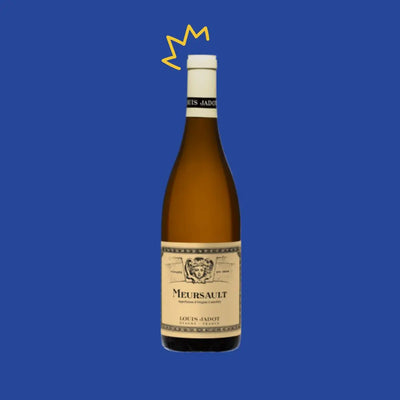
Meursault: richness and complexity
Meursault offers a more generous expression of Chardonnay.
The wines can show more roundness, with notes of white fruit, hazelnut, flowers and sometimes a touch of butter or brioche depending on the ageing.
Freshness nevertheless remains essential to preserve balance.
The best Meursaults combine richness, finesse and length. With a few years of ageing, their aromatic range can become even more complex.
Puligny-Montrachet: finesse and precision
Puligny-Montrachet is often associated with elegance.
Chardonnay produces fine, taut and precise wines here, with aromas of citrus, white flowers and white fruit.
Minerality also plays an important role and often extends the finish.
Puligny-Montrachet is one of Burgundy's most prestigious areas and perfectly illustrates the importance of terroir in the expression of Chardonnay.
The Mâconnais and its fruitier Chardonnays
Further south, the Mâconnais often produces more generous and fruity Chardonnays.
The warmer climate favours aromas of peach, pear, white fruit and flowers.
Pouilly-Fuissé is one of the best-known appellations in this area.
The wines generally keep good freshness while developing more roundness than some Chablis.
This diversity lets you discover different facets of Burgundy Chardonnay.
Aligoté, Burgundy's other great white grape
Aligoté is the region's second major white grape.
It produces wines that are often livelier and fresher than Chardonnay. Its natural acidity gives it a lot of tension.
The aromas can recall lemon, green apple, peach, white flowers and acacia.
Some cuvées also develop a slight salinity or a mineral sensation.
Long considered a secondary grape, Aligoté is now enjoying a real revival of interest.
Bouzeron, the flagship Aligoté appellation
Bouzeron is one of the essential references for discovering Aligoté.
Located on the Côte Chalonnaise, this appellation benefits from limestone soils that favour freshness and precision.
The wines can reveal notes of lemon, apple, peach and white flowers, with a lively and often slightly saline palate.
This freshness makes Bouzeron easy to pair with seafood, fish or light dishes.
The rarer white grapes
Burgundy also has a few much more confidential grapes.
Sauvignon Blanc is mainly found in Saint-Bris. It gives fresh, aromatic wines with notes of citrus, white fruit and sometimes a green touch.
Sacy, Pinot Blanc, Pinot Gris and Melon also exist, but in very limited quantities.
These grapes add to the historic richness of the Burgundy vineyards.
Terroir at the heart of white Burgundy
In Burgundy, terroir plays a central role.
Limestone soils, marls, exposure and climats give very different expressions of the same grape.
A Chablis Chardonnay can be taut and mineral, while a Meursault will often be broader. Puligny-Montrachet favours finesse, while the Mâconnais sometimes offers more fruit.
This ability to translate terroir is one of the great strengths of white Burgundy.
Which white grapes to discover first?
Chardonnay is obviously essential. It lets you discover the full diversity of Chablis, Meursault, Puligny-Montrachet and the Mâconnais.
Aligoté also deserves an important place, notably through Bouzeron.
Finally, Saint-Bris Sauvignon Blanc shows a rarer side of Burgundy.
Between Chardonnay, Aligoté, citrus, white flowers, white fruit, minerality, freshness and limestone soils, Burgundy's white grapes offer incredible diversity and show the full richness of its terroir. Discover our selection of white wines.