Rosé is the most abused wine when it comes to serving. It is taken out of the freezer, poured into a water glass, and forgotten in the sun for an hour.
With a bottle of this caliber, each of these mistakes is costly. To see the bottle, visit the Miraval collection.
What is in the glass
The color
Pale, bright, with hints of rose petals or very light peach. Look at it in the light: a dull or orange-tinted rosé is oxidized or over-aged.
On the nose
Start without swirling the glass: wild strawberry, white peach, citrus. Then swirl: floral notes and a hint of anise emerge.
On the palate
A crisp attack, a mid-palate of fresh fruit, and a saline finish that makes you want a second glass. It is dry overall.
The hallmark of a quality rosé is its length: an ordinary rosé disappears immediately, while a good rosé lingers for several seconds.
See the Miraval Rosé.
Our pick for this article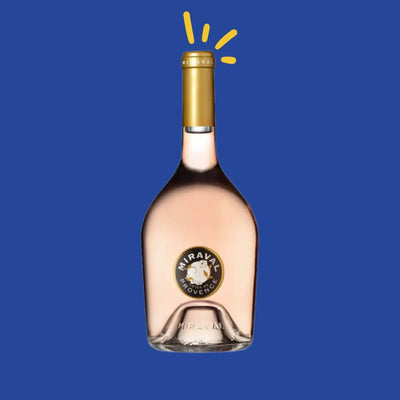
Serving, step by step
The temperature
8 to 10 degrees Celsius. This is the ideal range, and it is warmer than most people serve it.
At 5 degrees, the wine is ruined: the aromas are muted, leaving only the chill and the acidity. At 14 degrees, it feels flabby and the alcohol becomes noticeable.
How to chill
A bucket with water, ice cubes, and a handful of coarse salt: twenty minutes is enough. Water conducts the cold much faster than air.
The refrigerator takes three hours. Avoid the freezer: the cooling is too sudden and uneven, and it is easy to forget the bottle.
The glass
A standard-sized white wine glass. Not a flute, which restricts the aromas. Not a water glass, which does not concentrate them.
At the table
Keep the bottle in the bucket between servings. A rosé that warms up on the table loses its appeal within fifteen minutes.
When to open
A rosé is best drunk young. Within two years of the vintage, and ideally within the year after its release.
It is not a wine for aging, and there is no reason to wait: its greatest asset is aromatic freshness, which fades over time.
Storage
- Lay it flat in the dark. The clear bottles of Provençal rosés let in light, which spoils the wine very quickly.
- Between 12 and 14 degrees Celsius.
- Never on a windowsill or in a heated room.
- After opening: two to three days in the refrigerator with a tight seal.
Food pairings
A rosé of this caliber can last through an entire meal, which is not always the case.
- Provençal aperitifs: tapenade, anchovade, olives, pissaladière.
- Grilled fish: sea bream, sea bass, red mullet, sardines.
- Seafood: grilled prawns, scampi, shrimp.
- Sun-ripened vegetables: ratatouille, stuffed courgettes, grilled aubergines.
- Asian cuisine: Thai, Vietnamese, Japanese. The freshness pairs well with chili and ginger.
- Cold white meats and light charcuterie.
- Fresh goat cheese.
To avoid
Red meats, dishes in heavy sauces, and sweet desserts. The rosé lacks both the structure and the sweetness to stand up to them.
Frequently asked questions
Is a pale rosé better?
No. The color indicates the duration of contact with the skins, not the quality. It is an aesthetic trend that has become a market standard.
Should a rosé be decanted?
No, as this would cause it to lose its aromatic freshness.
How long after opening?
Two to three days in the refrigerator, properly resealed.
Bottle or magnum?
A magnum as soon as there are more than four guests. See our guide to rosé in magnum format.
Ordering from Le Caveau des Pépites
We work directly with producers to guarantee the origin and traceability of every bottle. Stored in our climate-controlled, humidity-regulated warehouses in France, hand-packed and wrapped, and shipped from mainland France via tracked and insured transport. Free delivery on orders over 300 euros. Customer service available seven days a week in French and English.
For more information: the Miraval estate.