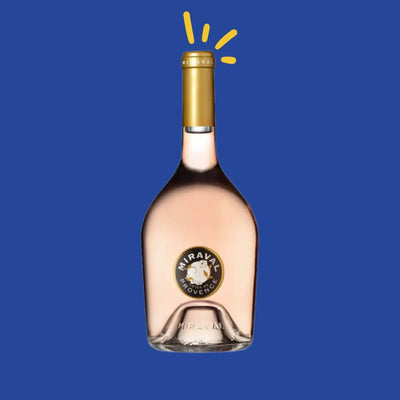
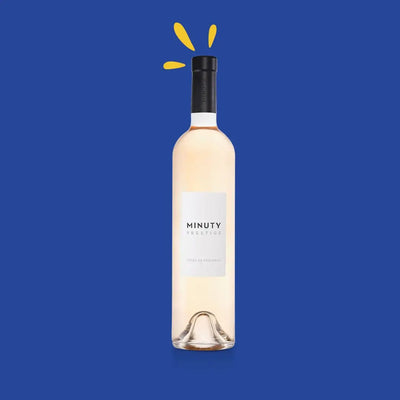
A magnum has an image of a party bottle, a special occasion bottle, sometimes ostentatious. It's a shame, because its appeal is primarily technical.
And for a summer rosé, it solves several problems at once. To see our large formats, visit the magnum collection.
What is a magnum
A magnum contains 1.5 liters, which is exactly two standard 75-centiliter bottles.
Above it are the jeroboam, the mathusalem, the salmanazar, and other formats with biblical names, whose capacities vary by region.
Our pick for this article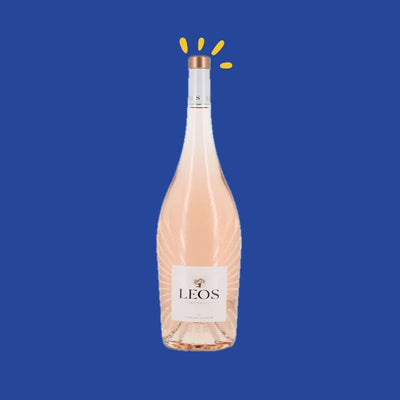
The technical argument
This is the point most often poorly explained.
In a bottle, the evolution of the wine depends largely on the amount of oxygen present and the gas exchange through the cork.
A magnum contains twice as much wine, but its neck has the same diameter and its cork the same exchange surface. The volume of air trapped under the cork is also similar.
In other words: there is proportionally less oxygen per unit of wine.
The consequences
- A slower evolution: the wine ages more slowly, so it retains its freshness longer.
- Greater thermal inertia: a larger volume takes longer to warm up. This is crucial at the table in summer.
- Better consistency: the differences between bottles are statistically less frequent in large formats.
The practical argument for a rosé
Rosé is drunk chilled, and that's where the magnum becomes truly useful.
At a table of six to eight people in summer, two standard bottles pose a practical problem: the first empties quickly, the second waits in the bucket or, worse, on the table, where it warms up.
With a magnum, you manage one bottle, one bucket, one temperature. And because the mass is greater, it stays cool significantly longer.
Cooling time
The opposite is also true, and it must be anticipated: a magnum takes much longer to cool down.
Allow about an hour in a bucket filled with water, ice cubes, and a handful of coarse salt, compared to about twenty minutes for a standard bottle.
The water and ice bucket is much more effective than the freezer or the refrigerator: liquid contact transmits the cold much faster than air.
The table argument
A magnum placed on a table changes the atmosphere of the meal. It is an object, it has a presence, and it creates a moment at the time of serving.
It is also an excellent gift: more memorable than a standard bottle, without necessarily costing more than two separate bottles.
See the Leos Rosé in magnum.
When the magnum has no appeal
Let's be honest about the limitations.
- For two at the table: you won't finish it, and an opened rosé quickly loses its fruitiness.
- In a small refrigerator: a magnum rarely fits standing up, and often not at all.
- Without a bucket: if you don't have anything to keep it cool, the advantage disappears.
- For service by the glass spread over several days: the standard bottle is more suitable.
How to open a magnum
- Place it: don't try to hold it in the air, it weighs more than three kilos once full.
- Use a lever corkscrew: the cork is longer, therefore more resistant.
- Serve with two hands: one at the base, one at the neck.
- Provide a suitable bucket: a standard bucket is often too small.
Frequently asked questions
Does a magnum cost more than two bottles?
Slightly in general, due to the cost of the container and a smaller production run. The difference remains modest.
Does a magnum rosé last longer?
A little, but it does not change the nature of the wine: a rosé should still be drunk within two years.
How many glasses in a magnum?
About twelve standard serving glasses.
What other wines in magnum?
Champagne and aged wines benefit particularly. See our magnums and large formats.
Order your magnum from Le Caveau des Pépites
We work directly to guarantee the origin and traceability of each bottle. Storage in our climate-controlled warehouses with controlled humidity in France, hand-cushioned and packaged, shipped from mainland France with tracked and insured transport. Large formats are specifically cushioned. Free delivery from 300 euros. Customer service available 7 days a week, in French and English.
To learn more: the Leos rosé and our gift ideas.