Behind the grands crus of Burgundy and the prestigious champagnes lies a history going back many centuries. Long before modern appellations existed, monasteries were already playing an important part in growing vines. In the Middle Ages, Benedictine and Cistercian monks helped develop vineyards, map out terroirs and pass on winemaking know-how.
Their influence is still visible today in some of the most famous wine regions in France. But how exactly did these religious communities help shape the history of wine?
Why did monasteries make wine?
In the Middle Ages, abbeys were both places of prayer and significant agricultural centres. Religious communities owned land on which they grew cereals, fruit and vines.
Wine held a particular place in daily life. Used for religious celebration, it was also an economic resource. Monasteries could consume their own production, but also sell or trade part of the harvest.
Thanks to gifts of land and a durable agricultural structure, several abbeys gradually built up extensive vineyard holdings.
The monks did not do all the work themselves. Peasants, lay brothers and farm workers took part in tending the vines.
That organisation helped preserve and pass on viticultural knowledge across generations.
Our pick for this article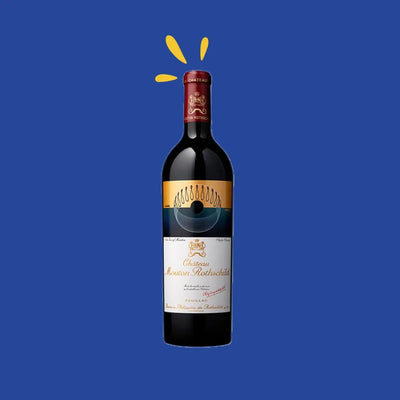
The Cistercians and the shaping of Burgundy's terroirs
Founded in 1098, the abbey of Citeaux became an important actor in the wine history of Burgundy.
The Cistercian monks gradually acquired and worked different parcels of vines. Their management of these holdings came with close attention to the character of the land.
In Burgundy, soil composition, exposure to the sun and differences in relief all play an essential part in how the grapes develop.
Over the centuries, observing these particularities helped strengthen the idea of terroir, now fundamental to the identity of Burgundy wines.
The religious orders were not alone in this, however. Growers, landowners and local institutions also contributed to the gradual recognition of the vineyards.
This history partly explains the richness of the Climats of Burgundy, precisely delimited parcels whose characteristics and reputation were built up over time.
Clos de Vougeot, an exceptional legacy
Among the historic vineyards associated with monks, Clos de Vougeot holds a special place.
Set in the Cote de Nuits, this estate was gradually assembled by the Cistercians of Citeaux from the twelfth century onwards.
The monks organised the working of the vines and built the structures needed to make the wine.
The walls of the clos and the old presses still bear witness to that medieval winemaking today.
Now one of Burgundy's emblematic grands crus, Clos de Vougeot illustrates the importance of monastic heritage in the history of French vineyards.
Its standing today rests on several centuries of change, of viticultural practice and of knowledge passed down.
Dom Perignon and the history of Champagne
The influence of monks extends to Champagne too, above all through the figure of Dom Pierre Perignon.
This Benedictine monk worked at the abbey of Hautvillers in the seventeenth century, where he helped organise and improve wine production.
A famous legend credits him with inventing sparkling champagne. Yet bubbles existed before him, and mastering them was the result of many successive innovations.
Dom Perignon is associated above all with the pursuit of quality, the selection of grapes and the practice of blending.
His story is a reminder that champagne developed thanks to several generations of producers, merchants and wine specialists.
What legacy did the monks leave to today's growers?
Religious communities helped conserve and develop winemaking know-how.
Their contribution lay in organising estates, maintaining the vines and passing on knowledge.
The monks did not invent viticulture, however. Wine had been made since antiquity, notably by the Greeks and the Romans.
Their importance lies rather in their part in a collective history, in which every generation added its own observations and improvements.
Today, scientific progress and modern techniques have transformed production methods considerably.
Yet certain clos, former abbeys and estate names still recall that period.
The Climats of the Burgundy vineyard, inscribed on the UNESCO World Heritage list since 2015, bear witness to that long historical construction.
Conclusion: a legacy at the heart of the great wines
The history of the great French wines cannot be separated from the men and women who cultivated the vineyards over the centuries.
Benedictine and Cistercian monks contributed to that evolution by developing estates, learning the terroirs and passing on winemaking traditions.
From the abbey of Citeaux to Clos de Vougeot and on to Dom Perignon in Champagne, their legacy remains present in French heritage.
Behind certain prestigious bottles lies a history far older than the modern appellations: several centuries of work, observation and craft.