
With oysters, aim for a dosage of less than 6 g/l: brut nature from 0 to 3 g/l or extra brut from 0 to 6 g/l. Beyond 8 g/l, the sugar meets the iodine and the palate becomes metallic. Serve at 9 to 10 °C.
What really happens on the palate
The oyster brings three things: salt, iodine, and a slight mineral bitterness. Salt and iodine have the particularity of amplifying the perception of the wine's residual sugar. A champagne dosed at 9 g/l, perfectly balanced as an aperitif, will taste distinctly sweet with an oyster, and this displaced sugar produces a sensation that most tasters describe as metallic or ferrous.
Conversely, a little or no dosage champagne plays on the same register as the oyster: salinity, tension, short and clean finish. Effervescence does the rest, cleaning up the subtle fat of the flesh.
It is the only New Year's Eve pairing where we frankly recommend a brut nature. Everywhere else, the absence of dosage is risky.
Our pick for this article
The dosages, in order
| Mention | Sugar per liter | On an oyster |
|---|---|---|
| Brut nature, no dosage | 0 to 3 g/l | Ideal pairing, salinity against salinity |
| Extra brut | 0 to 6 g/l | Very good, a little softer |
| Brut at 6 or 7 g/l | Up to 12 g/l | Acceptable if the oyster is fleshy |
| Brut at 9 g/l and more | Up to 12 g/l | Risk of metallic taste |
| Dry and semi-dry | 17 to 50 g/l | Completely to be avoided |
The houses do not always indicate the exact dosage on the back label, but the regulatory mention is enough to frame the choice. In doubt, an extra brut is the safest compromise: it tolerates both the raw oyster and a slightly richer seafood starter.
The size and type of oyster change the pairing
Not all oysters require the same wine. Creuses are classified by numbers from 5 to 0, from smallest to largest: a number 5 weighs 30 to 45 g, a number 3 from 66 to 85 g, a number 1 from 121 to 150 g. The bigger the oyster, the more present the flesh and the more substance the wine can have.
The other criterion is the filling index, which distinguishes the fines from the specials. A special, fleshier, supports a champagne with volume. A fine, more iodized and sharper on the palate, calls for pure tension.
| Oyster | Character | Champagne |
|---|---|---|
| Fine, size 4 or 5 | Very iodized, little flesh | Brut nature or tense blanc de blancs |
| Special, size 2 or 3 | Fleshy, sweeter, hazelnut note | Extra brut with substance |
| Plate, belon type | Powerful, metallic taste | Aged blanc de blancs, never dosage |
| Hot or au gratin oyster | Fat, cream, cooking | Brut vineux at 6 or 8 g/l |
The sauce, the real enemy
Shallot vinegar is the traditional pairing, but it is also what kills the champagne: acetic acid directly conflicts with the tartaric acid of the wine and the palate becomes aggressive. If you serve champagne, prefer a simple drizzle of lemon, or nothing at all. A turn of the pepper mill is acceptable, as is buttered rye bread.
Four bottles for a platter
Drappier Brut Nature Drappier, from €47.20
Zero dosage, based on the pinot noir from the Côte des Bar, in a style that the house of Urville works with very little sulfur. The wine is straight, saline, without the slightest sweet roundness: it is exactly what a fine and iodized oyster requires. Serve it at 9 °C. It is the most rational bottle on the platter, and the one to buy in several copies if the oysters open the meal.
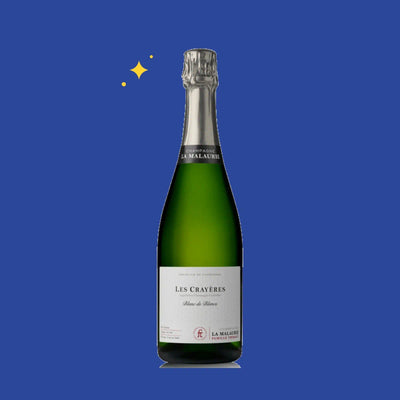
Champagne Blanc de Blancs Les Crayerès, Famille Tribaut La Malaurie - Famille Tribaut, from €40.74
One hundred percent chardonnay from a winemaker in the Marne valley, with a lemon palate and a chalky finish. It is the choice of value for money when you need two or three bottles for a family platter. It works just as well on oysters as on whelks and shrimp. One glass per person and six oysters as a starter, the deal is done.
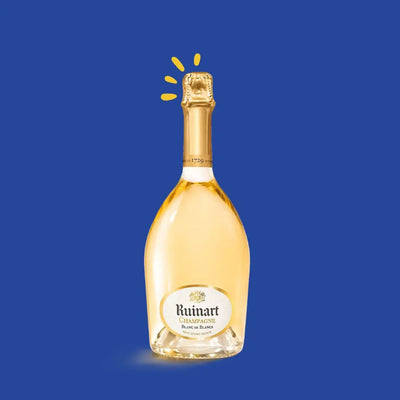
Ruinart Blanc de Blancs Ruinart, from €97.50
A pure chardonnay grown in the crayerès of Reims by the oldest champagne house, founded in 1729. The nose of citrus and white flowers and the straight finish make it the natural partner of flat oysters and fleshy specials, where length without sugar is needed. Serve it at 10 °C, in a white wine glass. For a table that starts the meal with a beautiful platter.
Gosset Celebris 2012 Extra Brut Gosset, from €252
A vintage extra brut, therefore less than 6 g/l dosage and at least 36 months in the cellar imposed by the appellation, widely exceeded here. Gosset does not practice malolactic fermentation, which preserves a straight acidity despite age, and the wine keeps the necessary tension on the iodine while bringing a complexity of dried fruits. Reserved for flat oysters or large specials, at 11 °C.
Prepare the platter correctly
Three simple gestures change the result. Open the oysters at most thirty minutes before serving, not the day before. Throw away the first water and let the oyster make its own again: you lose a water loaded with shell debris and you gain a clean and tasty water. And do not serve the oysters on direct crushed ice, which cools them to 2 or 3 °C and blocks everything: a bed of ice covered with seaweed or damp rock salt is enough.
The ideal temperature is 8 to 10 °C for the oyster as for the champagne. The two at the same temperature, the pairing is instantly read.
The quantities
| Service | Oysters per person | Champagne for 4 people |
|---|---|---|
| Light starter | 6 oysters | 1 bottle of 75 cl |
| Generous starter | 9 oysters | 1 bottle and 1 half |
| Platter as a main course | 12 to 15 oysters | 2 bottles |
Our bottles are stored in climate-controlled warehouses with controlled humidity and shipped from France in carefully packaged parcels, with good protection to guarantee the condition of your bottles.
To go further
- Champagne and foie gras: get out of the cliché of sauternes
- Champagne and smoked salmon: the New Year's Eve pairing
- The best value for money in champagne for Christmas
Frequently asked questions
What champagne dosage for oysters?
Less than 6 g/l: a brut nature from 0 to 3 g/l or an extra brut from 0 to 6 g/l. Beyond 8 g/l, salt and iodine amplify the perception of sugar and the palate becomes metallic.
Is a blanc de blancs mandatory?
No, but it is the safest profile. A pure chardonnay brings the lemon tension and the saline finish that respond to the oyster. An extra brut blend works very well on fleshy specials.
Should you keep the shallot vinegar?
Not if you serve champagne. The acetic acid of the vinegar conflicts with the acidity of the wine and makes the palate aggressive. A drizzle of lemon or nothing at all suits better, with buttered rye bread.
How many oysters and champagne to plan?
Six oysters per person as a starter, 12 to 15 if the platter serves as a dish. On the wine side, count one bottle of 75 cl for four guests as a starter, two bottles if the platter is the main course.
Little sugar, a lot of iodine
Brut nature, extra bruts and blanc de blancs selected for shellfish platters.
See all champagnesMore than +1,000 customers have already trusted us, with a rating of 4.9 out of 5. Shipping from France, payment in several installments possible with Klarna.
The prices and availabilities cited are those observed at the date of publication and may change. The abuse of alcohol is dangerous for health, consume with moderation. Sale prohibited to minors.