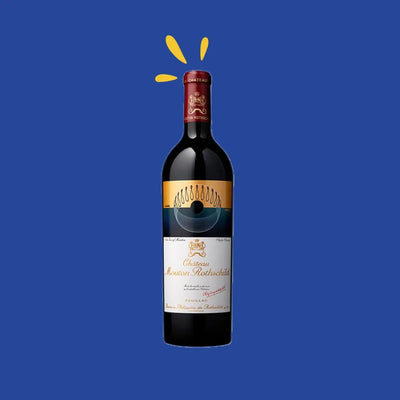
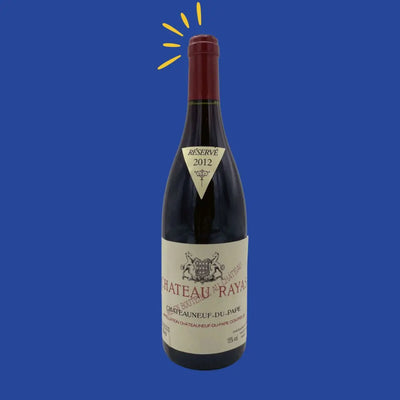
A bottle of wine usually catches the eye through its label. It carries the name of the estate, its appellation, its vintage and sometimes an emblematic illustration. Yet some producers now make a surprising choice: selling bottles without a traditional label.
In place of paper, you find lettering applied directly to the glass, engraved motifs or minimalist presentation. This change in wine packaging is not purely aesthetic. It reflects a new way of presenting a cuvee, standing out and sometimes reducing packaging materials.
But why abandon such an emblematic part of the wine world?
The bottle becomes the message
For a long time, the label was the main way of recognising a wine. Producers print their information on it and build a recognisable visual identity.
Today, some estates want to go further by using the bottle itself as the medium.
A discreet engraving, a raised logo or screen-printed lettering can be enough to identify a cuvee.
The approach allows for an original bottle design, sometimes cleaner than a classic dressing.
The buyer no longer sees only a label: they take in a whole in which the glass, the shape and the decoration all contribute to the identity of the product.
Our pick for this article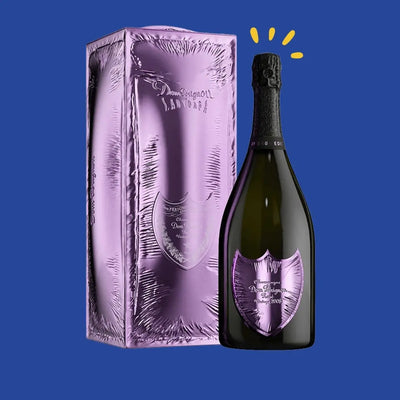
Screen printing on glass, an increasingly visible technique
Among the alternatives to a paper label, screen printing on glass holds a particular place.
The technique prints lettering and motifs directly onto the bottle. Producers can present their name, their logo or graphic elements without adding paper to the main face.
Others choose engraving or moulded glass for a different result.
These processes offer great creative freedom. They make it possible to play with transparency and to show off the colour of the wine.
In the world of rose, this presentation can be particularly interesting, since the colour of the wine itself becomes part of how the bottle looks.
Does minimalist design influence buyers?
In a crowded market, the look of a bottle can help it stand out.
Some producers therefore adopt minimalist packaging, with little lettering and discreet decoration.
That simplicity can suggest modernity and make the product easier to recognise.
An original bottle is not, however, automatically a better wine.
Design is a matter of presentation, while the character of the wine depends on its origin, its grape variety and the work of the producer.
The point of a bottle without a classic label is above all to offer a different visual experience.
A way of cutting packaging?
Reducing materials is another reason behind the trend.
A traditional label generally uses paper, inks and glue. Removing it can cut the use of certain components.
The approach fits into wider thinking about eco-design in wine packaging.
A bottle without a paper label is not automatically greener, however.
The weight of the glass, how it is made, transport and the decoration processes all affect its environmental footprint.
Comparing packaging therefore means looking at the full life cycle rather than appearance alone.
Can wine legally be sold without a label?
French and European rules require various mandatory statements on wine bottles.
Consumers must be able to find information on the product category, the volume, the alcoholic strength and the origin where that is required.
Obligations also cover allergens, ingredients and nutrition declaration, with certain electronic presentation options.
A bottle can therefore have no traditional paper label while still complying with wine labelling rules.
The required information simply has to be communicated in line with the applicable regulations.
What does it mean for grands crus and collectible wines?
There is an essential difference between a bottle deliberately designed without a label and an old bottle whose label has disappeared.
For collectible grands crus, the label is often an important element of identification and authenticity.
A damaged or missing label can make it harder to verify the origin of the wine and affect its resale value.
Conversely, a cuvee sold from the outset with engraving or screen printing has an official presentation chosen by its producer.
Aesthetic innovation should not be confused with accidental loss of identification.
A new trend that does not replace tradition
Wine bottles without traditional labels reflect how the sector is evolving.
Some producers want to modernise their image, experiment with new designs or rethink their packaging. Others stay faithful to classic labels, often tied to the history of their estate.
The two approaches can coexist perfectly well.
In the end, the presentation of a bottle helps tell the story of a wine, but it never replaces its origin or its qualities.
Engraved, screen-printed or dressed in a traditional label, a bottle remains above all a reflection of its producer's craft.
Alcohol abuse is dangerous for your health. Please drink responsibly.