
For the midnight toast, a 75 cl bottle serves eight glasses of 9 to 10 cl. Take it out of the bucket at 11:50 p.m., open it at 11:55 p.m., and serve it at 10 to 12°C in wine glasses, in two rounds.
What midnight champagne should do
The midnight bottle is the only one of the evening that everyone watches. It is drunk standing up, without food, often by guests who have already had two or three glasses. This rules out two types of wines: very austere, low-dosage, and tight cuvées, which will seem thin without anything to eat, and overly simple champagnes, which leave no impression in this context.
What you need is a wine with substance and length, that can stand alone in the glass. In practice, prestige cuvées meet these requirements exactly, not because of their prestige, but because they have aged longer on the lees: the bubbles are finer, the palate broader, and the wine can be enjoyed without accompaniment.
How many bottles for the toast
A toast glass is filled to 9 or 10 cl, not 15. A 75 cl bottle therefore serves eight people. For a table of twelve, plan for two bottles, keeping the second closed until the glasses are empty: you open twice, you never pour twelve very full glasses.
Our pick for this article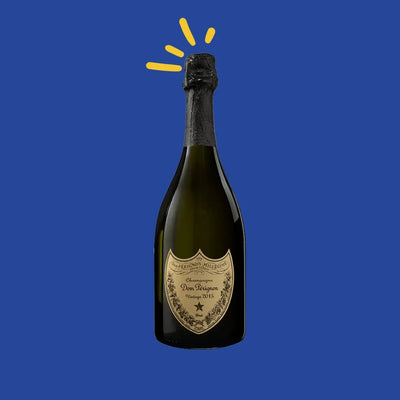
Three styles of prestige cuvée
The three references below are not interchangeable. The choice depends on what was served before and the number of guests.
| Cuvée | Construction | Profile | Temperature |
|---|---|---|---|
| Dom Pérignon 2015 | Vintage, Chardonnay and Pinot Noir | Broad, ripe fruit, roasted notes | 10 to 11°C |
| Krug Grande Cuvée | Blend of many wines from several years | Rich, spicy, dried fruits | 11 to 12°C |
| Comtes de Champagne 2013 | Vintage, 100% Chardonnay from Grand Crus | Chiseled, citrus, chalk | 10°C |
The three bottles
Dom Pérignon vintage 2015 Dom Pérignon, from €235
Always vintage, this cuvée blends Chardonnay and Pinot Noir and ages for several years in the cellar before release. The 2015 offers a broad palate, with ripe fruit and roasted notes, and a creamy bubble that envelops. It is the most consensual choice for a toast with eight or ten people of varied tastes.
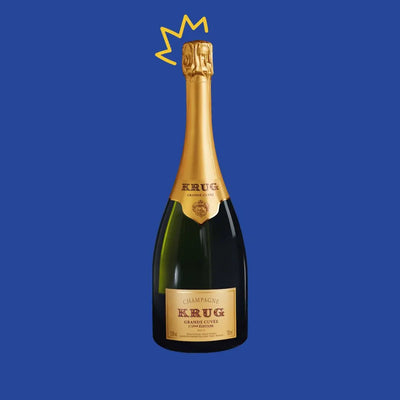
Krug Grande Cuvée Krug, from €255
Krug blends a large number of wines from several years, then lets the cuvée age for a long time in the cellar, resulting in a rich, spicy champagne with dried fruits and toasted bread. It is the most imposing of the three, best reserved for a small table of connoisseurs rather than a large toast. Serve it at 12°C: colder, it closes up.
Taittinger Comtes de Champagne 2013, Grand Cru Blanc de Blancs Taittinger, from €230
One hundred percent Chardonnay from Grand Crus of the Côte des Blancs, and vintage. The palate is chiseled, with citrus and a chalky sensation, and remarkable length. This is the bottle to choose if the evening has been rich, including foie gras and sauces: it resets the palate where a vine-heavy cuvée would only weigh it down further.
The last ten minutes
The toast is rarely ruined by the choice of wine, almost always by organization. Here is the sequence to follow.
11:40 p.m. Line up the glasses on a stable surface, out of the way. Allow one glass per guest, plus two. Check that they are dry and free of traces of dishwashing liquid: a residue of detergent breaks the foam in a few seconds.
11:50 p.m. Take the bottle out of the bucket and wipe it. A dripping bottle slips from your hand just when you need to hold the cork. If it has been in the ice for more than an hour, it is probably at 7°C: leave it out for five minutes to warm up to around 10°C.
11:55 p.m. Open it. Pour a first round, filling each glass one-third full, let the foam settle for ten seconds, then top up. In a single round, the foam overflows and the glass ends up half empty.
Midnight. The glasses are poured, no one is waiting for the bottle to circulate. That is the whole point of opening it five minutes before: a champagne does not lose its fizz in five minutes, but a ruined toast cannot be redone.
The opening gesture
A bottle contains about 6 bars of pressure, three times that of a car tire. Remove the foil, unscrew the cage six turns while keeping your thumb on the cork, tilt the bottle at 45 degrees, then turn the bottle and not the cork, holding the latter in place. The cork should come out with a discreet puff.
The dry sound and the escaping foam cost carbon dioxide, and therefore aromas, and up to a glass of lost wine. Never point the neck toward a guest: a cork can fly at over 40 kilometers per hour.
And sabrage?
Sabrage consists of breaking the lip of the neck with a sharp blow on the glass seam. It is spectacular, but it sends out shards, loses 10 to 15 cl of wine, and requires a very cold bottle as well as space. On a prestige cuvée, it is a waste. If you insist, do it outside, never over the served glasses.
If the bottle has just been delivered
Transport shakes the wine. A bottle received the same day opens less cleanly and seems closed on the nose. Let it rest upright for twenty-four to forty-eight hours before serving, then chill it. For a midnight bottle, therefore, plan for delivery at least two days before.
After the toast
A prestige cuvée is drunk in the thirty to forty minutes following the opening: it opens in the glass, then the bubbles subside. Do not leave it in a bucket for two hours. If there is any left, recork it with a mechanical champagne cork and drink it the next day at noon, no later: a low dosage makes these wines more sensitive to air.
To learn more
- What champagne for the December 24th aperitif
- One champagne for the whole meal: which one to choose
- Champagne and scallops
Frequently asked questions
What time should the midnight bottle be opened?
Around 11:55 p.m., after lining up the glasses and wiping the bottle at 11:50 p.m. Five minutes in advance costs the wine nothing and avoids serving in a hurry.
How many bottles for a toast with ten people?
Two 75 cl bottles, allowing for glasses of 9 to 10 cl. One is enough for eight guests, but leaves no room for a second glass.
Is sabrage a good idea?
Not on a prestige cuvée. It sends out glass shards, loses 10 to 15 cl, and requires a very cold bottle. Best reserved for outdoors, with a simple bottle.
Should a delivered bottle be left to rest before opening?
Yes, upright for twenty-four to forty-eight hours. Transport shakes the wine, which then opens less cleanly and seems closed on the nose.
Choose the midnight bottle now
Prestige cuvées stored in climate-controlled warehouses with controlled humidity, carefully packaged with good protection to guarantee the condition of your bottles.
View all champagnesMore than 1,000 customers have already trusted us, with a rating of 4.9 out of 5. Shipping from France, payment in installments available with Klarna.
The prices and availability mentioned are those observed at the date of publication and may change. Excessive alcohol consumption is dangerous to health; consume in moderation. Sale prohibited to minors.