The Languedoc is France's largest wine region by area, and probably the most difficult to navigate. Its appellations are numerous and relatively recent, and their names mean little to the average consumer.
Here is a guide to help you find your way. To see our selection, visit our red wines.
A region that has changed its face
For much of the twentieth century, the Languedoc produced large quantities of table wine intended for everyday consumption.
From the 1980s, a profound transformation began: high-yielding grape varieties were ripped out and replaced with Syrah and Mourvèdre, yields were reduced, the best slopes were selected, and winemakers from other regions arrived.
Today, the Languedoc produces some of the best-value French wines, as well as a few world-class wines.
Our pick for this article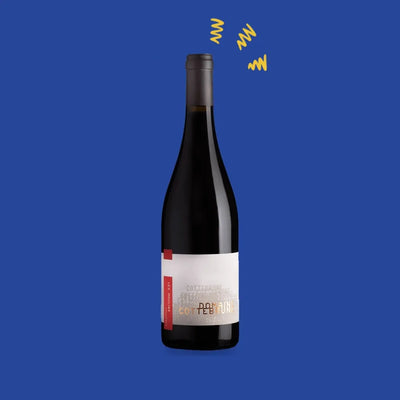
The determining factor: altitude and soil
In a hot, dry Mediterranean climate, two factors make the difference between a heavy wine and a balanced one.
- Altitude: it brings cool nights, creating a temperature range that preserves acidity and aromas.
- Soil: its ability to store water deep underground determines its drought resistance.
The best Languedoc appellations have both. The wines from the plains, meanwhile, struggle in hot years.
The appellations to know
Faugères
Grown on pure schist between 200 and 400 metres. Fresh, mineral wines with a characteristic smoky note. One of the region's most consistent appellations.
See the Faugères Les Moulins 2021 and our Faugères guide.
Saint-Chinian
Neighbouring Faugères, it is divided between schist in the north and limestone in the south. Two styles in a single appellation, which makes it less straightforward.
Pic Saint-Loup
North of Montpellier, around a spectacular limestone peak. Altitude and Cévennes influences: these are the freshest and most floral Languedoc wines.
Terrasses du Larzac
The most recent of the great Languedoc appellations, and one of the most sought-after. High altitude, significant temperature fluctuations, and tense, deep wines.
Minervois
Vast, between Carcassonne and Béziers. The La Livinière area, at altitude, produces the best cuvées.
Corbières
Immense and highly varied. The Boutenac area stands out clearly, with remarkable old Carignan vines.
La Clape
A limestone massif by the sea, near Narbonne. Wines marked by maritime influence, with a distinctive salinity and excellent whites.
Picpoul de Pinet
The benchmark white appellation, based on Piquepoul. Bright, lemony, saline: the companion of oysters from the Étang de Thau.
The region's grape varieties
- Syrah: the backbone of modern reds. Pepper, violet, black fruit.
- Grenache: ripe fruit, roundness, alcohol.
- Mourvèdre: structure and ageing potential, when it reaches maturity.
- Carignan: long considered responsible for the region's bad reputation, it produces fresh, distinctive wines from old vines and low yields. Its rehabilitation is one of the major movements of the last twenty years.
- Cinsault: finesse and freshness, in both red and rosé.
- In whites: Roussanne, Marsanne, Vermentino, Grenache Blanc, Piquepoul, Bourboulenc.
How to buy in the Languedoc
- Prioritise the producer: the region is varied, and the name of the estate matters more than that of the appellation.
- Look for altitude: mentions of slopes and elevated areas are good indicators.
- Check the alcohol content: above 15%, the wine risks being heavy.
- Do not overlook old Carignan vines: this is where some of the best value is found.
- Try the whites: they are often underestimated and far less expensive than their northern counterparts.
Serving
- Reds: 16°C, decanted for one hour for young wines.
- Whites: 10 to 12°C.
- Ageing: from three years for entry-level cuvées to fifteen years for the best.
Frequently asked questions
Does the Languedoc still produce mass-market wine?
Some production remains under IGP and is volume-driven, but the slope appellations have taken the opposite direction, focusing on quality.
Which appellation to start with?
Faugères or Pic Saint-Loup, which are consistent and representative.
Is Carignan a good grape variety?
From old vines and low yields, yes, remarkably so. From young, productive vines, no.
IGP or AOP in the Languedoc?
Both can be excellent. See our IGP and AOP guide.
Order your Languedoc wines from Le Caveau des Pépites
We work directly with producers to guarantee the origin and traceability of every bottle. Stored in our climate-controlled, humidity-regulated warehouses in France, hand-packed and secured, and shipped from mainland France with tracked and insured delivery. Free shipping on orders over 300 euros. Customer service available seven days a week, in French and English.
To learn more: Château Puech-Haut.