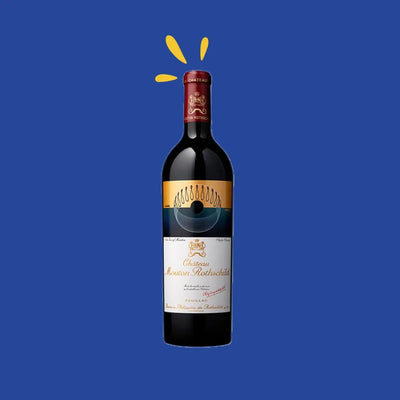
Chénas and Juliénas touch. A few hundred meters separate certain plots from the two appellations, and yet the wines are nothing alike.
This is one of the best examples of what terroir means in practical terms. To compare, see our two available crus.
Geology
Chénas
The smallest Beaujolais cru by surface area. The soils are essentially granitic, with sandy arenas resulting from the decomposition of granite, and more clayey areas to the west.
Granite is the key point: it drains heavily, heats up quickly, and forces the vine to root deeply. It gives Gamay a particular structure and minerality.
Juliénas
A more heterogeneous terroir. Granite is found at higher altitudes, but also schists, clays, and deeper soils in the lower parts.
This diversity explains the variety of styles within the appellation itself: some Juliénas are soft and fruity, others significantly tighter.
Our pick for this article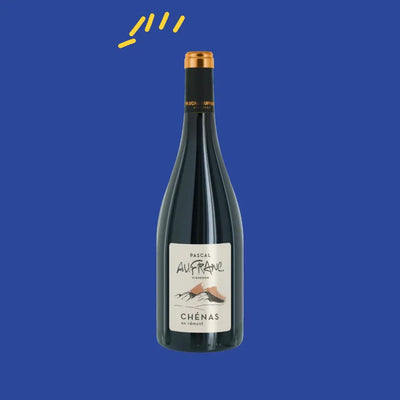
The two tasting profiles
Chénas
- On the nose: rose, peony, ripe red fruits, a spicy and sometimes woody touch.
- On the palate: dense attack, structured mid-palate, present and firm tannins.
- The finish: long, mineral, with a persistence that is surprising for a Gamay.
- Aging: it opens up after three to four years and easily lasts eight to ten years.
Juliénas
- On the nose: cherry, raspberry, vine peach, a floral and spicy note.
- On the palate: supple attack, generous fruit, fine tannins.
- The finish: fresh and refreshing.
- Aging: pleasant from two years, good up to six or eight.
Which one to choose
- You are opening it tonight: Juliénas.
- You are putting it in the cellar: Chénas.
- Convivial meal, charcuterie: Juliénas.
- Characterful dish, game, poultry in sauce: Chénas.
- You are discovering the Beaujolais crus: Juliénas.
- You want to surprise a Burgundy enthusiast: Chénas with five years in the bottle.
See the Chénas En Rémont and the Juliénas Les Crots.
The aging of Gamay
This is the most interesting subject about these wines, and the most misunderstood.
Gamay has a reputation for being a grape variety for quick consumption. For a generic Beaujolais, this is true. For a cru from old vines and granite, it is false.
Over time, the primary fruit fades in favor of tertiary aromas: undergrowth, mushroom, leather, sweet spices, sometimes truffle. The tannins soften, the texture becomes silky.
At this stage, a ten-year-old Chénas looks very much like a Côte de Beaune Burgundy, and confusion is frequent in blind tastings.
Serving mistakes
Serving too warm
The most common mistake. A Beaujolais cru at 19 degrees loses its freshness, which is its main asset. Aim for 14 to 15 degrees.
Treating the cru like a Beaujolais Nouveau
These are two unrelated categories: different appellations, different yields, different vinifications, different vocations.
Drinking the Chénas too young
In its first two years, it can seem closed and austere. It needs time.
Forgetting to decant
For a young Chénas, thirty minutes of aeration makes a real difference.
Frequently asked questions
What is the main difference?
Structure. Chénas is structured and age-worthy, Juliénas supple and more immediate.
Which one is rarer?
Chénas, which is the smallest Beaujolais cru by surface area.
Can they be kept for ten years?
Chénas yes, in a good vintage and from a serious producer. Juliénas rather six to eight years.
And the other crus?
See our complete guide to the ten crus.
Ordering from Le Caveau des Pépites
We work directly to guarantee the origin and traceability of each bottle. Storage in our climate-controlled warehouses with controlled humidity in France, hand-packing and wrapping, shipping from mainland France with tracked and insured transport. Free delivery from 300 euros. Customer service available 7 days a week, in French and English.
To learn more: the Domaine Pascal Aufranc.