Artificial intelligence is gradually finding its way into the world of wine. Where choosing a bottle traditionally rested on a merchant's advice, a sommelier's recommendation or personal knowledge, new digital tools are now helping consumers along.
With chatbots and specialised apps, it is becoming possible to compare appellations, discover grape varieties and receive personalised recommendations. But can this technology really improve the way we buy wine?
A new way of discovering wine
Faced with the sheer range of bottles available, choosing a good wine can feel complicated. Between wine regions, vintages, grape varieties and price differences, consumers have plenty of information without always knowing how to read it.
Artificial intelligence sets out to simplify that search.
By analysing the characteristics of wines and the preferences of users, some tools can suggest bottles that suit different profiles.
Someone who enjoys fruity reds will be pointed towards different appellations than a drinker who likes powerful, tannic wines.
This personalisation makes discovering wine more accessible and encourages people to explore new references.
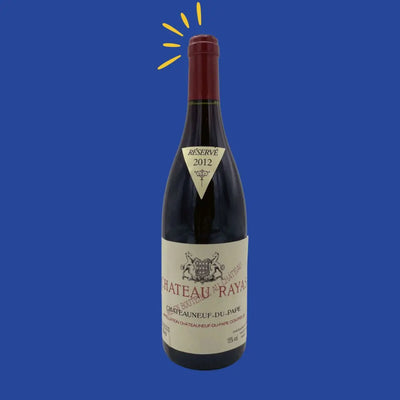
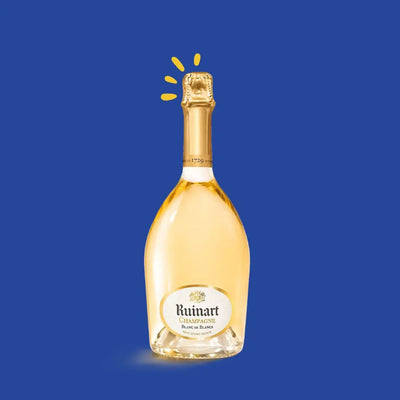
Our pick for this article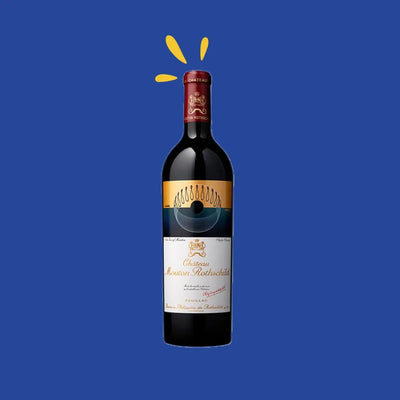
Can a chatbot make buying wine online easier?
With a conversational assistant, searching for a bottle becomes an interactive experience.
Rather than consulting several guides, the user can describe what they want directly: a white wine for a dinner, a champagne for a particular occasion, or a red to give as a gift within a set budget.
The assistant can then suggest appellations, explain the character of grape varieties and propose food pairings.
It can also compare different wine styles to help the buyer understand what sets them apart.
That approach is useful for buying wine online, where choice can be overwhelming.
The recommendations do need checking, however. An AI can give out-of-date information on prices, vintages or whether a bottle is actually available.
It makes the search easier, then, but it does not replace reliable information from a specialist seller.
The rise of virtual sommeliers
Virtual sommeliers are another innovation in the wine sector.
These tools use recommendation systems to suggest wines according to taste preferences, occasions or meals.
Some let users log the bottles they have already enjoyed so that the suggestions sharpen over time.
The technology can be particularly helpful for beginners trying to understand the differences between appellations and find wines that match what they are after.
Food and wine pairing is another interesting area. An AI can recommend a crisp white for shellfish or a structured red for grilled meat.
That advice stays theoretical, though. An artificial intelligence cannot taste the dishes or smell the aromas of a wine.
The limits of artificial intelligence
For all its advantages, AI does not have everything it needs to judge a bottle properly.
It can analyse aromatic descriptions, compare data and set out the usual characteristics of a grape variety.
What it cannot do is check how a wine kept for several years in a cellar has actually developed.
Yet storage conditions, ageing and the particularities of each vintage can change the tasting considerably.
Another limit: personal preference does not always follow predictable logic.
A drinker may love a wine quite unlike their usual choices, simply because they are discovering new aromas or sharing a particular moment.
No algorithm can guarantee that a bottle will please everyone.
Why the wine merchant still matters
Against automated recommendations, human expertise remains essential.
A wine merchant has concrete knowledge of the estates, the producers and the cuvees they sell.
Thanks to their tasting experience, they can identify qualities that are hard to judge from data alone.
They can also pick up on what a customer is really after during a conversation and suggest something unexpected.
Artificial intelligence and human advice can therefore work together.
AI handles the first search and helps make sense of the appellations, while the professional helps settle on a specific bottle.
That complementarity is an interesting development for wine lovers.
Towards a more personalised buying experience
As digital tools improve, wine recommendations could become better suited to individual taste.
Consumers may find it easier to discover lesser known estates, compare bottles and understand the character of a wine before buying it.
For professionals, these technologies can also help present their range in a more accessible way.
But wine is not reducible to a technical sheet or an automatic recommendation.
It remains bound up with terroir, with the craft of the producer and with the pleasure of discovery.
Artificial intelligence can help us find a bottle, but it will never replace our own experience of tasting it.
The future of wine may therefore combine the speed of digital tools with the sensitivity and expertise of professionals, to give buyers an experience that is simpler, richer and more personal.