




Irish whiskey has been making a real comeback for several years. Long concentrated around a few big brands, it is regaining great diversity thanks to new distilleries and the return of historic styles such as Single Pot Still.
With malted barley, unmalted barley, triple distillation, cask maturation and blending, Irish whiskey has a very particular identity.
A long tradition of distillation
Ireland has a very long history of distillation.
In the 19th century, Irish whiskey enjoyed a strong international reputation.
Dublin became an important production centre.
Many distilleries exported their whiskeys abroad.
But this period of prosperity was followed by a long decline.
Our pick for this article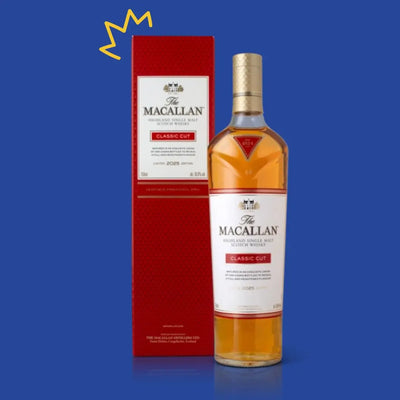
Why did Irish whiskey decline?
In the 20th century, several events weakened the sector.
Political tensions, the loss of certain markets, Prohibition in the United States and the rise of Scotch whisky had a major impact.
Many distilleries closed.
Production gradually became concentrated in a few sites.
The diversity of Irish whiskey declined sharply.
The revival of Irish whiskey
Since the 2000s, and especially the 2010s, the trend has reversed.
New distilleries have appeared.
Some historic brands have been relaunched.
Producers are experimenting more with grains, stills and casks.
This revival has allowed Irish whiskey to regain a genuine diversity of styles.
The four main styles
Irish whiskey can be divided into four main categories.
They are Single Malt, Single Pot Still, Single Grain and Blended Whiskey.
Each style uses different methods.
The type of grain, distillation and ageing directly influence the final profile.
Single Malt
Single Malt is produced at a single distillery from malted barley.
Distillation generally takes place in copper pot stills.
This style can offer aromas of apple, honey, ripe fruit, vanilla or spice.
Cask maturation then adds more complexity.
Single Pot Still, an Irish speciality
Single Pot Still is one of Ireland's most emblematic styles.
It is produced at a single distillery from a mix of malted and unmalted barley.
It is distilled in pot stills.
This method often gives a creamy, oily and spicier texture.
Redbreast, Green Spot and Powers are among the best-known names.
Why use unmalted barley?
The use of unmalted barley has its origins in Ireland's tax history.
It once helped limit certain taxes on malt.
Over time, this practice became a real signature.
It brings more texture and spice to the whiskey.
Single Grain
Single Grain can use several types of grain.
It is often distilled in column stills.
The result is generally lighter and softer.
This style plays an important role in blends.
It brings suppleness to blended whiskeys.
Blended Irish Whiskey
Blended whiskey combines several types of whiskey.
A blend can bring together Single Grain, Single Malt and Single Pot Still.
The aim is often to create a balanced, consistent profile.
Jameson is one of the best-known examples.
This style is often seen as a good way into the world of Irish whiskey.
Triple distillation
Irish whiskey is often associated with triple distillation.
This method is not compulsory, but it remains widespread.
It generally produces a lighter, smoother spirit.
This is one of the reasons Irish whiskey is often described as smooth and approachable.
The role of copper stills
The stills directly influence the whiskey's style.
Copper helps purify the spirit.
The size and shape of the still also change the aromatic profile.
Pot stills are particularly important in Single Pot Still production.
Cask ageing
After distillation, the whiskey must age in cask.
Former bourbon barrels are widely used.
They can bring notes of vanilla, caramel, honey and wood.
Other casks are also used.
Producers use sherry, port or wine casks, for example, to bring new aromas.
What aromas can you find?
Irish whiskey is often associated with notes of fruit, honey, caramel and vanilla.
Single Pot Stills can be spicier and creamier.
Single Malts often offer more depth.
Blends aim for balance and smoothness.
The cask type can also significantly change the aromatic range.
Midleton, a major distillery
Midleton holds an important place in the modern history of Irish whiskey.
The distillery is linked to several major brands such as Jameson, Redbreast, Powers and Green Spot.
It played an essential role in preserving Single Pot Still.
Bushmills and Teeling
Bushmills represents an important part of the Irish tradition.
The distillery is known in particular for its Single Malts.
Teeling embodies the new generation.
Based in Dublin, it is part of the revival of distilling in the capital and works extensively with cask finishes.
Irish whiskey or Scotch whisky?
The difference is not just in the spelling.
Irish whiskey is often triple distilled.
Scotch whisky can be more marked by peat, depending on the region.
Ireland also has Single Pot Still, a true particularity.
Both countries nevertheless offer a wide variety of styles.
A spirit in full evolution
Irish whiskey has had an eventful history.
After a long period of decline, it is regaining real momentum.
Single Malt, Single Pot Still, Single Grain and Blended Whiskey offer very different profiles.
Malted barley, unmalted barley, copper stills, triple distillation and cask maturation remain at the heart of its identity.
Irish whiskey is thus preserving its heritage while profoundly renewing its image.





