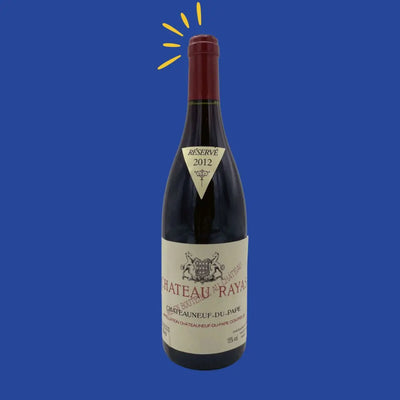
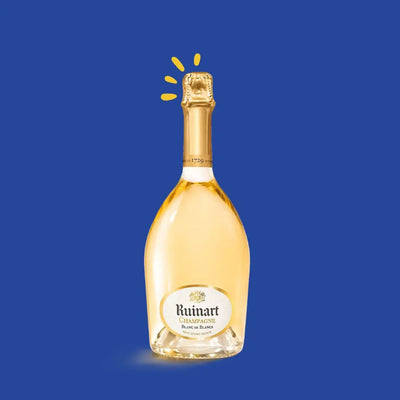
France and Italy are among the most iconic countries in the wine world. Their winegrowing history, terroirs, grape varieties and appellations have shaped very different but equally sought-after styles. Comparing French and Italian wines helps us understand how climate, soil, gastronomy and tradition influence what we taste. From Bordeaux and Burgundy to Tuscany and Piedmont, each region has a real identity.
Terroir at the heart of French and Italian wines
In France as in Italy, terroir plays an essential role in wine production. It combines climate, soil, vine exposure, the grapes grown and the producers' know-how.
In France, appellations are often directly linked to a specific region. Bordeaux is known for its structured red wines, while Burgundy highlights the finesse and precision of Pinot Noir and Chardonnay.
In Italy, the diversity of terroirs is just as important. Tuscany stands out for its rolling landscapes and its famous Sangiovese, while Piedmont produces some of the country's most complex red wines from Nebbiolo.
This diversity explains why two wines from neighbouring countries can offer very different aromatic profiles.
Our pick for this article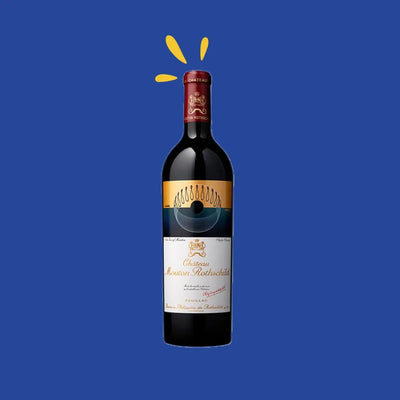
Iconic grape varieties in each country
Grape varieties are one of the main differences between French and Italian wines.
France is the birthplace of many grapes that have become essential around the world. Cabernet Sauvignon and Merlot are closely linked to Bordeaux. Pinot Noir and Chardonnay are particularly associated with Burgundy.
These grapes produce wines with very varied profiles. Cabernet Sauvignon can bring powerful tannins, black fruit and great ageing potential, while Pinot Noir is often prized for its finesse, red fruit and elegance.
In Italy, producers have an impressive diversity of native grapes. Sangiovese is essential in Tuscany, where it gives rise to Chianti and Brunello di Montalcino.
In Piedmont, Nebbiolo is behind Barolo and Barbaresco. This grape produces wines with marked acidity, firm tannins and great complexity.
AOC and DOCG: how do the appellations work?
France and Italy each have a system to protect the origin and quality of their wines.
In France, AOC and AOP appellations define a geographical area, permitted grape varieties and certain production methods. Bordeaux, Burgundy and Champagne include many recognised appellations.
In Italy, wines can be classified as DOC, DOCG or IGT. DOCG is one of the strictest classifications and covers several great Italian wines.
Barolo, Brunello di Montalcino and some Chianti appellations are among the wines that benefit from this classification.
IGT gives producers more freedom, particularly in their choice of grapes and winemaking methods. Some Super Tuscans have taken advantage of this flexibility to blend Italian grapes with Cabernet Sauvignon or Merlot.
Differences in acidity, tannin and structure
In tasting, Italian wines are often associated with fairly marked acidity. This freshness helps maintain balance and makes food pairing easier.
A Sangiovese-based Chianti can offer cherry and red fruit aromas with tannin and good freshness. A Nebbiolo-based Barolo generally has a more imposing structure and significant ageing potential.
French wines also show very varied profiles. A Bordeaux can develop notes of blackcurrant, black fruit, cedar and spice with structured tannins. A red Burgundy made from Pinot Noir can be more delicate, with greater finesse and freshness.
It is therefore hard to simply contrast French power with Italian freshness. Vintage, terroir and producer always play a decisive role.
Two cultures deeply tied to gastronomy
Food and wine pairing is essential in both French and Italian traditions.
In Italy, the acidity of Sangiovese goes particularly well with tomato-based dishes, pasta, cured meats and meat. Barolo can be served with more powerful dishes, while some Italian white wines are perfect with fish and seafood.
French gastronomy also offers a great variety of pairings. Bordeaux reds often accompany meat, while a Burgundy Pinot Noir can go with poultry or a dish in sauce. Chardonnay easily finds its place alongside fish, shellfish or certain cheeses.
Italian or French wine: a matter of preference
Choosing between French and Italian wine depends above all on personal taste. Lovers of Cabernet Sauvignon, Merlot, Pinot Noir and Chardonnay can explore Bordeaux and Burgundy, while those looking for Sangiovese, Nebbiolo, Chianti, Barolo or Brunello di Montalcino will naturally turn to Italy.
France and Italy ultimately share the same philosophy: showcasing terroir through unique grape varieties, traditions and appellations. Acidity, tannin, fruit, structure, elegance and ageing potential offer exceptional diversity. More than two competing countries, France and Italy represent two great ways of understanding and enjoying wine.