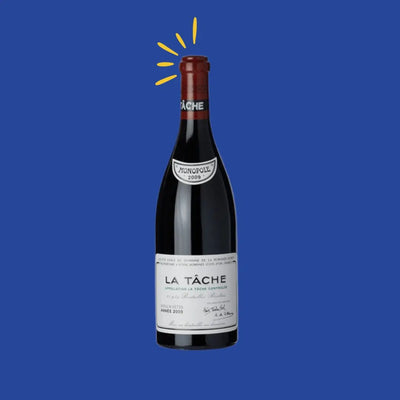
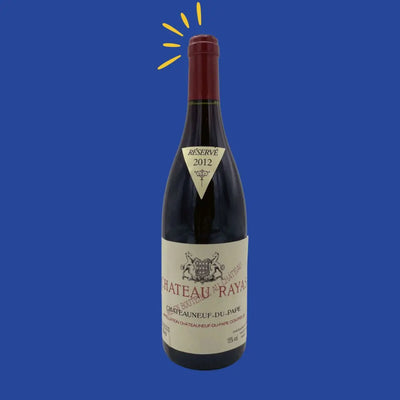
French wine holds a unique place in the world, at the crossroads of tradition, prestige and innovation. In 2026, the wine market is undergoing a profound transformation, marked by changing drinking habits, a move upmarket and growing interest in investment. Understanding these trends is essential for wine lovers, investors and professionals who want to take advantage of new opportunities.
A wine market in full transformation
For several years, the French wine market has been moving towards a more quality-driven model. Overall consumption is falling in volume, but the value of bottles is rising. This is explained by a change in consumer behaviour: people now favour quality, experience and meaning over quantity.
Producers and estates are adapting by highlighting their know-how, their terroir and the authenticity of their wines. This strategy meets a growing demand for premium products, often associated with an image of prestige and excellence.
Digitalisation is also making information and markets easier to access. Consumers can compare prices, discover new vintages and invest more easily in bottles with strong potential.
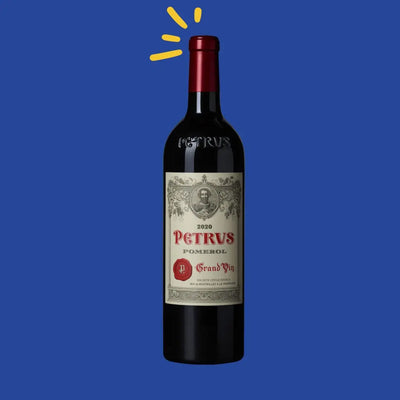
Our pick for this article
The rise of wine as an investment asset
One of the major trends for French wine in 2026 is its positioning as a financial asset. More and more investors see wine as an alternative investment, in the same way as property or art.
Several factors explain this enthusiasm:
- The rarity of some bottles and vintages
- The potential for appreciation in the medium and long term
- The relative stability of the market in economic crises
- The possibility of reselling on specialist platforms
Investing in wine nevertheless requires a precise strategy. It is essential to select recognised estates, favour wines in strong demand and control storage conditions. A well-built cellar can become a real asset, combining pleasure and value. Bear in mind, however, that the value of a bottle can go down as well as up.
Premiumisation and the search for quality
Premiumisation is at the heart of current trends. Consumers are looking for high-end wines that offer a unique experience. This is reflected in a rise in the average price of bottles and greater interest in rare, sought-after wines.
Terroir, tradition and know-how play a central role in this trend. Estates highlight their history and identity to stand out in an increasingly competitive market.
This move upmarket also goes hand in hand with particular attention to quality. Wine lovers are more and more demanding and don't hesitate to invest in bottles with strong ageing potential and real added value.
A new relationship with wine: experience and emotion
Wine is no longer just a consumer product; it is becoming an experience. Consumers are looking for an emotional dimension, linked to the wine's story, its origin and how it is enjoyed.
Storytelling therefore plays an important part in producers' communication. Each bottle tells a story: that of a terroir, a vintage or a unique know-how.
This also results in drinking that is less frequent but of higher quality. Tasting moments are chosen with care, and wine becomes a symbol of pleasure, sharing and success.
The rise of sustainable, responsible wines
Environmental issues have become unavoidable in the wine sector. Consumers are increasingly sensitive to sustainable practices and favour wines from organic or environmentally friendly farming.
Producers are committing to this transition by adopting more responsible production methods. This meets a growing demand and helps add value to wines on the market.
The development of sustainable wines also strengthens the image of French wine internationally, highlighting its commitment and its ability to adapt to today's challenges.
Opportunities to seize in 2026
The French wine market offers many opportunities for those who can anticipate trends. Investing in rare wines, building an exceptional cellar and understanding market dynamics are all levers to use.
To succeed, it is important to:
- Follow market trends and changes
- Identify estates with strong potential
- Diversify your cellar to limit risk
- Think long term, favouring quality and rarity
French wine remains a unique asset, able to combine pleasure, emotion and value. In a changing market, it represents a strategic opportunity for informed wine lovers and savvy collectors.
Conclusion
In 2026, French wine sits at the crossroads of several trends: premiumisation, investment, experience and sustainability. This transformation of the market reflects a profound change in consumer expectations and opens up new prospects for everyone in the sector.
Whether for pleasure or to build up an asset, French wine is more than ever an exceptional product, at once cultural, emotional and financial. Discover our Grand Cru wines and our full wine selection.