Tasting wine in Business Class is not quite like a normal tasting. Several thousand metres up, cabin pressure, low humidity and the aircraft environment change how we perceive aromas, fruit, acidity and tannins.
That is why premium airlines pay so much attention to their wine lists. Champagne, Chardonnay, Riesling, Sauvignon Blanc, Pinot Noir and Shiraz are chosen not only for their prestige, but also for their ability to stay expressive in flight.
Why does wine change at altitude?
The air in an aircraft cabin is particularly dry.
This low humidity can reduce the sensitivity of the nose and change how we perceive flavours. And much of wine tasting depends on aroma.
When the sense of smell is slightly diminished, some wines can seem less fruity or less complex.
Cabin pressure also affects sensations. Acidity can seem more pronounced and tannins firmer, especially in some powerful red wines.
A wine that is perfectly balanced on the ground can therefore seem different when served at altitude.
Our pick for this article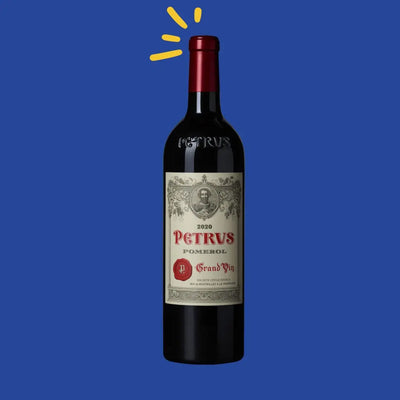
A selection designed specifically for Business Class
Major airlines do not build their wine lists at random.
Some call on sommeliers, specialist consultants or Masters of Wine to select the bottles best suited to the cabin.
The criteria are many: aromatic intensity, fruit, acidity, tannins, length, balance and the ability to accompany the dishes served on board.
Wines are sometimes tasted blind to avoid being influenced by price, label or the estate's reputation.
The goal is simple: choose a wine that keeps its personality despite the particular conditions of the flight.
Why is champagne so common on planes?
Champagne is almost a must in Business and First Class.
Its luxury image obviously explains part of this success, but its taste characteristics are also interesting at altitude.
The bubbles bring freshness and the acidity often keeps a lively sensation on the palate.
Champagne also has the advantage of pairing with many dishes.
It works as an aperitif as well as with some fish, seafood or starters.
This versatility makes it particularly well suited to cabin service.
White wines can better preserve their aromas
White wines are often prominent in Business Class selections.
A Chardonnay can keep enough roundness and substance to remain pleasant at altitude.
Riesling generally has fine aromatic intensity, marked acidity and a fruity profile that can withstand a slight dulling of the senses.
Sauvignon Blanc, with its expressive aromas, can also be particularly suitable.
For airlines, the best white wine is therefore not necessarily the most prestigious. Above all, it must keep its balance and character when served in the cabin.
The special case of red wines
Red wines require more precision.
At altitude, tannins can sometimes seem drier or harsher.
Very powerful, highly structured reds are therefore not always the best choice.
A Pinot Noir can be interesting thanks to its finesse, fruit and softer tannins.
Some Shiraz can also work when they have enough roundness and aromatic intensity.
The key is to keep a balance between fruit, alcohol, acidity and structure.
Temperature and glassware: two essential details
Even an excellent bottle can disappoint if it is poorly served.
Temperature plays a major role in tasting.
A white wine served too cold can lose some of its aromas, while a red wine served too warm can seem heavier and more alcoholic.
Glassware is just as important.
A suitable glass concentrates the aromas and improves aeration.
In the cabin, where the sense of smell is already reduced, these details can really make a difference.
Food pairings are also adapted to flight
In Business Class, wine is usually enjoyed with a meal.
The dishes themselves may be designed with bolder flavours to stay expressive at altitude.
The wine list must therefore adapt.
A champagne can accompany a starter, a Chardonnay poultry or fish, while a Pinot Noir can be paired with a more delicate meat.
Food and wine pairing thus becomes an essential part of the experience offered to passengers.
A different tasting experience
Wine tasting in Business Class shows how much our environment influences our senses.
Cabin pressure, humidity, temperature, glassware and food can all change how a bottle is perceived.
This is why airlines work so hard on their selection.
The best wine at altitude is not necessarily the most expensive. It is the one that manages to keep its fruit, aromas and balance despite the constraints of flight.
Drinking a glass of wine at 10,000 metres is therefore a particular experience, somewhere between tasting, technique and travel.
Find more articles on wine, tasting and fine spirits on the Le Caveau des Pépites blog.
Please enjoy responsibly.