Altitude can profoundly change how the vine grows and how the grapes ripen. Cooler temperatures, a wide day-night temperature range, more intense UV radiation and slower ripening: high-altitude vineyards have particular conditions. These factors then influence acidity, tannins, anthocyanins, aromas and the structure of the wine.
Lower temperatures at altitude
As altitude increases, average temperature generally falls.
For the vine, this coolness slows the ripening cycle.
The grapes take longer to reach maturity.
Sugars build up more slowly and natural acidity can be better preserved.
The wine then keeps more freshness and tension.
Our pick for this article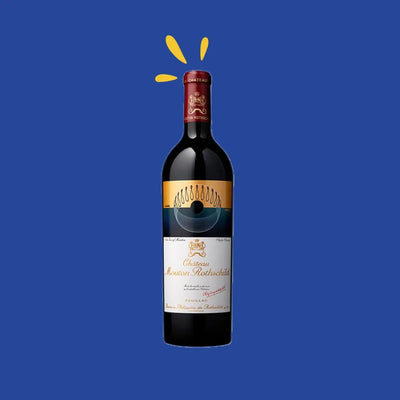
Slower ripening
Slow ripening is particularly valuable in warm regions.
When temperatures are high, grapes can accumulate sugar quickly.
Potential alcohol then rises fast.
At altitude, cooler temperatures can slow this process.
The grapes have more time to develop their aromas and reach good phenolic ripeness.
The importance of diurnal range
High vineyards can have warm days and much cooler nights.
This difference is called the diurnal temperature range.
It plays an important role in the balance of the grapes.
Heat encourages ripening during the day.
Lower night-time temperatures help preserve more acidity.
Why is acidity essential?
Acidity brings freshness and energy to wine.
It notably balances alcohol and concentration.
A very ripe wine with little acidity can feel heavy.
Conversely, good acidity brings more tension and can improve ageing potential.
It is one of the qualities often sought in high-altitude wines.
More intense UV radiation
At high altitude, UV radiation is generally stronger.
The grape skins are therefore exposed to more intense light.
The vine may respond by developing more of certain protective compounds.
These include polyphenols and anthocyanins.
These compounds play a particularly important role in red grapes.
Altitude and wine colour
Anthocyanins contribute to the colour of red wines.
Under certain conditions, stronger sun exposure can increase their concentration in the skins.
The wines may then show a deeper colour.
But altitude is never the only factor.
Grape variety, vintage and vineyard practices also influence colour.
The effect on tannins
Tannins give red wine its structure.
They are found mainly in the skins and seeds.
Slow ripening can encourage a more gradual development of these tannins.
In some high-altitude vineyards, wines can thus be concentrated and structured while keeping good freshness.
The aromas of high-altitude wine
Altitude can also change aromatic expression.
Slower ripening sometimes better preserves fresh fruit aromas.
Floral or spicy notes can also remain more precise.
The result can be an aromatic, concentrated wine with a more pronounced sense of freshness.
Malbec as an example
Malbec is often associated with the high vineyards of Argentina.
Some vines grow at more than 1,000 metres.
Days are very sunny, while nights can be cool.
This combination produces ripe grapes that keep good acidity.
The wines can be deeply coloured, structured and expressive.
Syrah at altitude
Syrah can produce very different wines depending on the climate.
In warm areas, it often gives rich, powerful wines.
At higher altitude, slower ripening can preserve more freshness.
Spicy aromas can also remain more present.
Cabernet Sauvignon
Cabernet Sauvignon naturally has a lot of tannin.
It needs enough heat to reach good ripeness.
In some warm regions, high-altitude vineyards allow it to enjoy strong sunshine while keeping cool nights.
The balance between structure and acidity can then be particularly interesting.
The role of microclimate
Altitude alone does not define a vineyard.
Exposure, slope, wind and proximity to a valley also influence temperatures.
Two plots at the same height can therefore have very different microclimates.
Terroir must always be considered as a whole.
Sun exposure
A plot facing the sun receives more energy.
Ripening can then be faster.
A different orientation can keep more freshness.
In mountain areas, exposure plays a major role.
Small differences in position can strongly change the style of the wine.
Sloping vineyards
High-altitude vines are often planted on slopes.
These plots sometimes benefit from good drainage.
But they are harder to work.
Machines cannot always move through them.
Hand harvesting is therefore common.
Mountain viticulture can thus require more labour.
The limits of high altitude
Altitude also carries risks.
Temperatures can become too cold.
Frost can damage young shoots.
The ripening season can also become too short.
A grape variety may then struggle to reach ripeness.
Higher does not automatically mean better.
Altitude and climate change
Global warming is now increasing interest in high-altitude vineyards.
In some regions, harvests are coming earlier and earlier.
Producers are therefore looking for cooler plots.
Planting higher can slow ripening and preserve more acidity.
Sometimes later harvests
Lower temperatures often delay ripeness.
Harvests can therefore be pushed back.
In warm regions, this can allow the grapes to develop their aromas without accumulating sugar too quickly.
The winemaker thus has a different harvest window.
Altitude and alcohol
Alcohol level depends notably on the sugar in the grapes.
Very fast ripening can produce very sweet grapes.
At higher altitude, coolness can slow this accumulation.
The wine can then keep a better balance between alcohol and acidity.
Why do we talk about tension?
A wine with tension gives a sense of freshness, precision and energy.
Acidity plays a central role.
Some high-altitude wines can combine strong concentration with this tension.
The result is powerful without feeling heavy.
Can you recognise a high-altitude wine?
There is no single profile.
Freshness, acidity, concentration or aromatic intensity can give some clues.
But these characteristics can also be linked to the grape, the soil or the winemaking.
It is therefore impossible to determine altitude precisely from tasting alone.
Altitude, one element of terroir
Altitude acts mainly on temperature, diurnal range and UV radiation.
These factors then influence grape ripening, acidity, tannins, anthocyanins and aromas.
It can therefore help produce fresh, structured and concentrated wines.
But it never acts alone.
Soil, exposure, grape variety, climate and the winemaker's work remain essential to truly understand the style of a high-altitude wine.