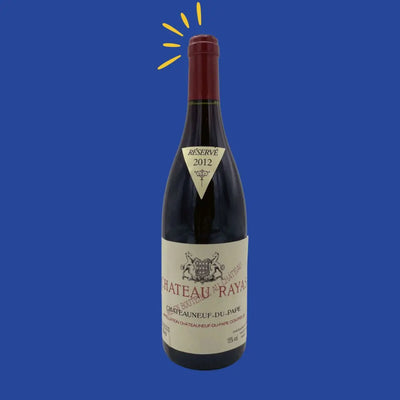
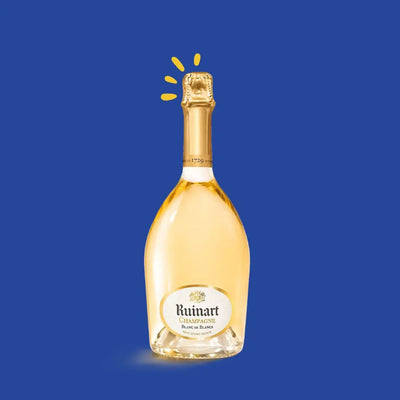
The wine sector is changing fast. Consumers today want to better understand what they buy, learn the producers' story and easily access information about the cuvées. At the same time, estates and houses are looking to strengthen their customer relationships and better understand buying behaviour.
It is in this context that Tonton Gégé is developing an approach centred on the connected bottle. QR codes, NFC, storytelling, data, e-commerce and artificial intelligence become tools able to bring producer and consumer closer together.
The bottle is then no longer just a container for wine. It becomes a genuine medium for communication and experience.
A bottle that extends the estate's story
Traditionally, a wine's story is told mainly at the estate, at a wine shop or during a tasting.
Once the bottle is bought, that relationship can easily disappear.
The connected bottle makes it possible to extend that link.
Through a QR code or an NFC chip, consumers can directly access content about the cuvée. They can discover the estate, the terroir, the grape, the vintage or the producer's craft.
This approach turns the label into a gateway to a richer world.
Our pick for this article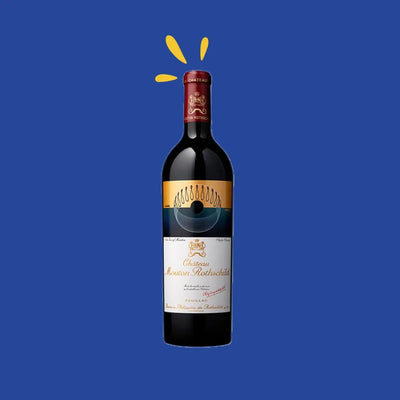
Storytelling as a way to stand out
Storytelling holds an essential place in the world of wine.
Every bottle has a story: that of a terroir, a family, a vintage or a winemaking choice.
Tonton Gégé seeks to make that story more accessible through digital tools.
Consumers no longer discover just a few technical details. They can better understand the product and the context in which it was made.
This strengthens the customer experience.
In a market where many wines can look similar at first glance, storytelling becomes an important way to stand out.
QR codes make information easy to access
The QR code has one major advantage: it is simple.
A smartphone is all you need to access the content.
This ease of use lets consumers look up information at the very moment they are tasting or discovering the bottle.
They can find details about the cuvée, get advice, discover the producer or be redirected to a point of sale.
The QR code can also extend the relationship after the tasting.
Consumers can find the bottle again more easily and possibly buy it again through an e-commerce channel.
Data to better understand consumers
One of the great benefits of the connected bottle lies in data.
Each interaction can help better understand consumer behaviour.
Number of scans, views, reviews or clicks can all provide useful information.
Data then becomes a marketing tool.
It can help an estate identify the cuvées consumers are most interested in, the most viewed content or buying habits.
This knowledge can be particularly valuable for producers who have little direct contact with the end customer.
A more direct relationship with the producer
The wine sector often relies on many intermediaries.
Distributors, agents, wine merchants, restaurateurs and importers play a central role in sales.
But this organisation can distance the producer from the consumer.
The connected bottle helps reduce that distance.
Even when a wine is bought from a reseller, the estate can continue to convey its identity.
Digital thus creates a more direct relationship without calling into question the role of distribution professionals.
It simply adds a new layer of communication.
Artificial intelligence as a new discovery tool
Artificial intelligence also opens up new possibilities.
It can notably offer personalised answers about wine, terroir or grape varieties.
The idea of a digital sommelier illustrates this shift well.
Consumers can ask questions and get information exactly when they need it.
This use of AI can make wine more accessible, especially for people with little technical knowledge.
For professionals, artificial intelligence can also be used to analyse data and identify certain market trends.
An approach that also concerns B2B
Tonton Gégé is not only interested in the relationship between estate and consumer.
Digitalisation can also meet professionals' needs.
A SaaS platform can centralise elements such as orders, stock, customers and sales information.
This kind of tool can make it easier to track activity and improve the flow of information.
In a sector where several players stand between production and the final sale, this centralisation can save real time.
WineTech serving craftsmanship
Technology does not replace the product.
On the contrary, it should help showcase it better.
Terroir, winemaking, the winemaker's work and the quality of the cuvée remain at the heart of the experience.
QR codes, NFC, data and AI serve above all to convey these elements more easily.
This logic matches the current development of WineTech.
Digital is gradually becoming a tool able to support tasting, sales and customer loyalty.
A richer wine experience
The connected bottle shows that the wine experience no longer ends with the tasting.
Consumers can now look into the product's origin, understand how it was made, discover the estate and stay in touch with the brand.
This responds to a growing need for transparency and information.
It also allows producers to increase their visibility.
A bottle can become a real point of contact between the estate and the person drinking it.
Tonton Gégé and the future of the connected bottle
Tonton Gégé illustrates a new way of thinking about the relationship between wine and digital.
Through QR codes, NFC, storytelling, data, e-commerce and artificial intelligence, the bottle becomes an interactive medium.
This transformation offers new possibilities for communication, customer insight and loyalty.
The main challenge, however, remains keeping a balance between innovation and tradition.
Technology should support the experience without overshadowing what gives wine its identity: terroir, craft and the producer's story.
It is precisely this combination of heritage and innovation that could make the connected bottle an important tool in the evolution of the wine sector.