In the world of fine wine, rarity plays an important role in the prestige and value of certain bottles. While an estate's reputation, terroir and vintage influence their appeal, vineyard yields are also a decisive factor. By limiting the quantity of grapes harvested, some producers reduce their wine production while seeking better control of its quality. But what really is the link between low yields, aromatic concentration and the price of grands crus?
What is vineyard yield?
Vineyard yield is the quantity of wine produced from a given area of vines. It is generally expressed in hectolitres per hectare and measures a vineyard's productivity.
Several factors influence yield: the grape variety, the age of the vines, the soil, the weather and viticultural methods.
In controlled designations of origin, yield limits are set to regulate production and preserve the character of the wines.
Two estates of identical size can therefore produce very different numbers of bottles.
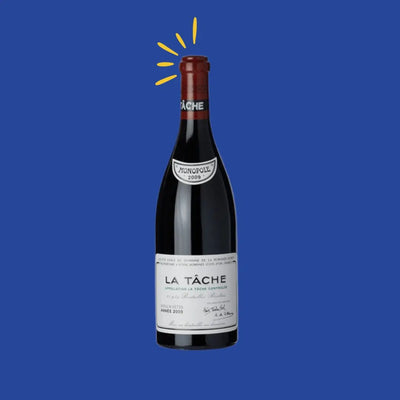
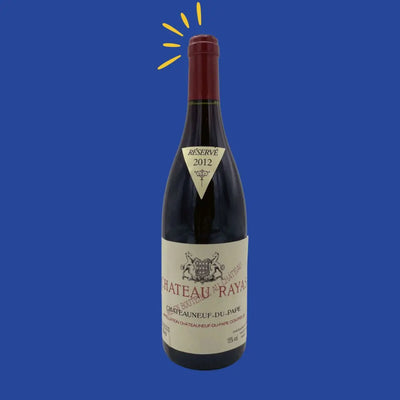
Our pick for this article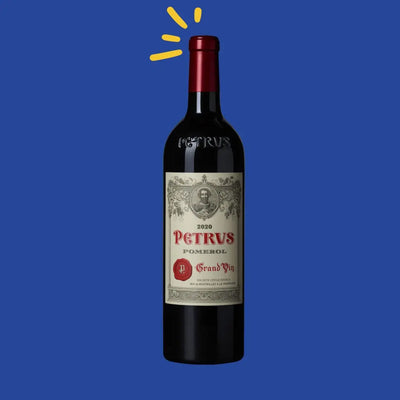
Why do some estates favour low yields?
In some prestigious vineyards, growers seek to control the volumes harvested to encourage proper ripening of the grapes.
Various techniques regulate production, including pruning, canopy management and green harvesting, which consists of removing some bunches before they ripen.
Old vines also often have naturally lower yields.
This control aims to maintain a balance between the plant's growth and the ripening of the fruit. It allows the producer to adapt the harvest to the terroir and to the style of wine sought.
However, producing less does not automatically guarantee higher quality.
What is the link between yield and wine quality?
Wine quality depends notably on the ripeness and composition of the grapes.
When the vine carries a quantity of bunches suited to its resources, it can encourage even ripening and a better balance between sugars, acidity and aromatic compounds.
Conversely, excessive yields can, in some conditions, slow ripening and limit aromatic concentration.
Controlled yields can therefore help produce structured, balanced wines, particularly prized for certain age-worthy cuvées.
Nevertheless, climate, plot exposure, water management and winemaking methods remain essential. A low yield is a tool for control, not a guarantee of quality.
How does limited production make a wine rarer?
A wine's rarity depends mainly on the number of bottles available and the strength of demand.
A vineyard producing 30 hectolitres per hectare will generally sell fewer bottles than an estate of the same size reaching 60 hectolitres per hectare.
When limited production concerns a renowned estate, this reduced availability can heighten the interest of enthusiasts and collectors.
Burgundy illustrates this particularly well. Some grand cru plots cover small areas, naturally limiting the volumes produced each year.
The combination of a small vineyard, low yields and strong international demand can make some bottles particularly hard to obtain.
Why does rarity affect the price of fine wines?
The price of fine wines rests on several criteria: the producer's reputation, the quality of the vintage, ageing potential, provenance and the balance between supply and demand.
Low yields can increase the production cost per bottle, since vineyard expenses are spread over a smaller volume.
When a rare, sought-after wine attracts many buyers, its limited availability can also help support its price.
On the collector's wine market, this rarity can strengthen the appeal of certain prestigious cuvées.
However, low production does not guarantee an increase in value. Without a solid reputation or sufficient demand, a bottle produced in limited quantities can remain relatively affordable.
Does the weather also affect the rarity of vintages?
Vineyard yields also vary with the weather.
Spring frost, hail or drought can sharply reduce the volume of grapes harvested.
These events sometimes result in vintages produced in exceptionally small quantities.
Such rarity can attract collectors' attention, but it does not necessarily mean the wine will be better. Ripening conditions and the grower's work remain decisive.
Understanding rarity to better appreciate fine wine
Low yields are part of the identity of some vineyards and can contribute to the rarity of fine wines.
By limiting available volumes, they can reinforce the exclusivity of certain cuvées, especially when these enjoy a strong reputation.
However, a wine's value never depends solely on its yield per hectare. Terroir, vintage, the quality of vineyard work and demand play an equally essential role.
Understanding these mechanisms helps you appreciate what makes certain bottles unique and why some grands crus hold a special place in the wine world.