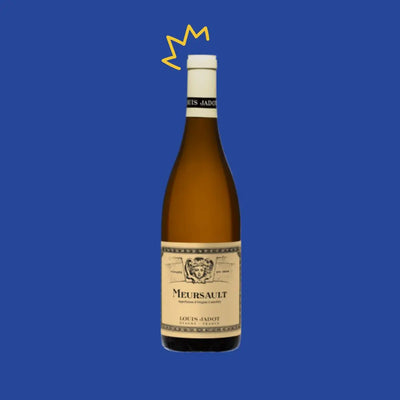
Montrachet is one of the most prestigious names in Burgundy. Located in the Côte de Beaune, between Puligny-Montrachet and Chassagne-Montrachet, this Grand Cru is today a world reference for great white wines made from Chardonnay.
Its prestige rests on several centuries of history, an exceptional terroir, very limited production and the know-how of iconic estates.
A history going back to the Middle Ages
Montrachet's history begins in the Middle Ages.
The earliest records of the area appear under the name "Mont Rachas".
At that time, the Burgundy vineyard developed around small plots farmed by families, lords and religious communities.
The abbeys played an important role in this development.
The monks observed the differences between soils, exposures and slopes.
This gradually accumulated knowledge contributed to the birth of the notion of terroir.
Our pick for this article
The role of the Cistercians
The Cistercians did much to structure Burgundy viticulture.
They studied soils, slope, exposure and vine behaviour.
Over generations, certain plots were identified as particularly favourable.
Montrachet enjoys a remarkable balance.
Limestone, marl, clay and natural drainage create ideal conditions for Chardonnay.
An exceptional terroir for Chardonnay
Chardonnay is now inseparable from Montrachet.
This grape reflects the characteristics of soil and climate particularly well.
On this terroir, it can produce wines that are rich, powerful, fresh and elegant all at once.
Ripeness brings texture and depth.
Acidity keeps the tension.
The limestone soils contribute finesse and minerality.
It is this combination that gives Montrachet its unique identity.
Montrachet between Puligny and Chassagne
The Montrachet Grand Cru lies between two major villages: Puligny-Montrachet and Chassagne-Montrachet.
This area concentrates several prestigious climats, including:
Montrachet.
Chevalier-Montrachet.
Bâtard-Montrachet.
Bienvenues-Bâtard-Montrachet.
Criots-Bâtard-Montrachet.
These Grands Crus are geographically close but show different profiles depending on altitude, slope, exposure and soil composition.
The notion of climat in Burgundy
In Burgundy, the word climat does not just mean the weather.
It refers to a precisely delimited plot, recognised for its terroir, history and identity.
Montrachet is one of the most famous examples of this concept.
A few metres can be enough to change the soil structure or exposure.
These differences can then be found in the wine.
This precision is part of the identity of the Burgundy vineyard.
A long-standing reputation
The renown of Montrachet's wines was built gradually.
Over the centuries, the wines travelled beyond Burgundy.
Their finesse, richness and ability to age won over more and more enthusiasts.
The name Montrachet gradually became associated with excellence in white wine.
This reputation then continued to grow with the development of international trade.
1937: Grand Cru recognition
1937 was a key year.
Montrachet officially obtained Grand Cru appellation status.
This recognition protected a terroir already renowned for several centuries.
It also regulated production and confirmed Montrachet's place at the top of the Burgundy hierarchy.
Grand Cru status contributes greatly to its prestige today.
Extremely limited production
Rarity is one of the essential elements of Montrachet.
The vineyard area is very small.
The plots are shared between several owners.
Each estate therefore often has only a small quantity of grapes.
The number of bottles produced each year remains limited.
With strong international demand, this small production naturally contributes to the wines' rarity and prestige.
The role of the estates
Terroir is the foundation of the wine, but the estate's know-how also plays a major role.
Harvest date, winemaking, fermentation and ageing all influence the final result.
Two producers working the same Grand Cru can offer different styles.
Barrel ageing is common.
Oak can bring notes of hazelnut, spice or vanilla, but it must remain balanced so as not to mask the terroir.
Wines capable of ageing
Great Montrachets can evolve for many years.
When young, they can show aromas of white flowers, citrus or ripe fruit.
Over time, notes of honey, hazelnut, dried fruit or undergrowth can appear.
This ageing capacity contributes greatly to their reputation.
Complexity increases gradually while great finesse is preserved.
Why is Montrachet so prestigious?
Montrachet's prestige rests on several elements.
An exceptional terroir.
A long history.
Limited production.
Renowned estates.
A perfectly suited grape.
And very strong international demand.
This combination explains why Montrachet is today considered one of the greatest white wines in the world.
A symbol of Burgundy
Montrachet perfectly represents the Burgundian philosophy of winemaking.
Each plot has its own identity.
Terroir, history and human know-how are inseparable.
From the Middle Ages to Grand Cru recognition in 1937, several generations helped build this prestige.
Even today, Montrachet remains one of the strongest symbols of Chardonnay, the Côte de Beaune and Burgundy's winegrowing heritage.