The 2025 vintage in Bordeaux is already raising high expectations. After a 2025 harvest marked by contrasting weather, the first feedback from winemakers and the first cellar tests give a preliminary but particularly interesting picture of the crop. With grape ripeness, sugar-acidity balance and a promising aromatic structure, the first results outline a vintage worth following closely.
In this article, we analyse the first impressions of the 2025 Bordeaux vintage in detail, based on cellar observations, grape quality and the quality potential seen during fermentation.
The 2025 harvest in Bordeaux: a decisive climate context
Weather played a central role in shaping the 2025 vintage. The year alternated between heat and more temperate periods, influencing grape ripeness. The harvest came notably early in several appellations, confirming a fast growing cycle.
The harvest took place in generally healthy conditions. The grapes showed good concentration, with thick skins and intense colour, a sign of advanced phenolic ripeness. Yields, sometimes moderate depending on the plot, seem to have favoured interesting aromatic concentration.
This combination of ripeness, concentration and potential balance is already a positive indicator for the quality of the wine to come.
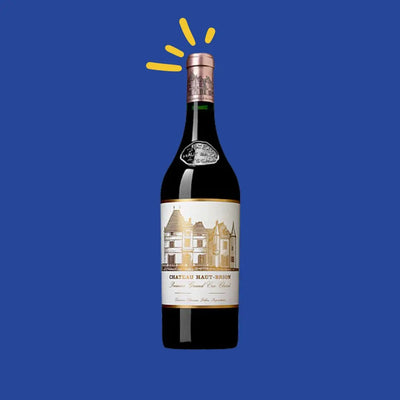
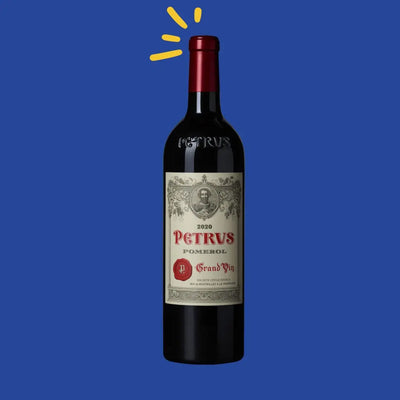
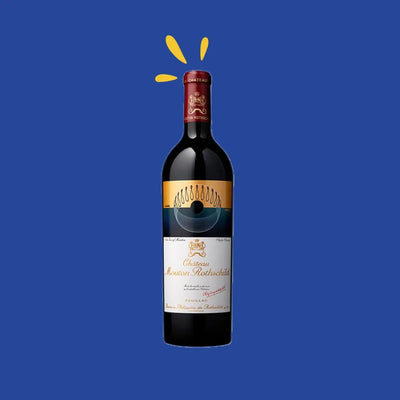
Our pick for this article
First cellar tests: fermentation and aromatic structure
The first cellar tests make it possible to assess the wine's structure from the fermentation stage. It is still too early for definitive conclusions, but the first results are encouraging.
Red fermentations show juices rich in colour and aroma. Tannins appear ripe, with structure already perceptible. The balance between acidity and concentration seems under control, offering a solid base for future ageing.
For the whites, the first tests reveal fine aromatic freshness supported by balanced acidity. Primary aromas are clean and precise, and the structure suggests elegant, expressive wines.
Overall, grape quality is directly reflected in the first cellar analyses. The aromatic structure observed points to a harmonious vintage with real quality potential.
Technical analysis: ripeness, tannins and balance
Grape ripeness is one of the key indicators of the 2025 vintage in Bordeaux. The first cellar tastings show even ripeness, with well-integrated tannins and an already promising texture.
The sugar-acidity balance, often decisive for final quality, seems particularly successful in many plots. Sufficient acidity guarantees freshness and ageing potential, while concentration brings depth and power.
The wine's structure, observed from fermentation, shows fine density without excess. Black fruit aromas in the reds and citrus or white fruit in the whites confirm a precise, balanced aromatic profile.
The potential of the 2025 vintage: what can we expect?
Even though ageing has only just begun, the potential of the 2025 Bordeaux vintage is already a hot topic. The first cellar tests suggest structured wines with good concentration and marked aromatic quality.
Ageing potential will obviously depend on élevage and technical choices in the cellar. However, the quality base observed (ripeness, balance, structure) is a favourable foundation for wines able to evolve well over time.
Appellations known for structured reds could benefit from the concentration seen in 2025. The whites seem to enjoy interesting natural freshness, supported by balanced acidity.
Comparison with recent vintages
In preliminary analyses, some observers compare 2025 to years marked by good ripeness and fine concentration. However, each vintage has its own identity, shaped by specific weather conditions.
The 2025 vintage seems to stand out for a balance between power and elegance. The first cellar results show wines that are neither excessively alcoholic nor marked by unbalanced acidity. This structural stability could be one of the year's major strengths.
Key factors to watch during élevage
While the first tests are promising, several elements remain decisive in confirming the final quality of the 2025 vintage:
- Management of barrel ageing
- The evolution of tannins during maturation
- The stability of the aromatic balance
- Preserving freshness and acidity
Élevage plays an essential role in defining the wine's final structure. Precise management will make the most of the natural concentration obtained at the 2025 harvest.
Conclusion: a promising 2025 vintage in Bordeaux
At this stage, the first cellar tests and technical analyses point to a 2025 vintage of fine quality in Bordeaux. The 2025 harvest brought in healthy, concentrated grapes with satisfactory ripeness and balanced acidity.
The first fermentations reveal a clean aromatic structure, ripe tannins and controlled concentration. The quality potential seems real, even if élevage will confirm or qualify these first impressions.
For enthusiasts and professionals, the 2025 Bordeaux vintage therefore deserves particular attention. The first cellar tastings suggest a successful balance between power, freshness and elegance, essential for wines that can charm when young while offering interesting ageing potential.
The coming months will refine these observations, but the foundations seen in the first tests already suggest that 2025 could take its place among Bordeaux's quality years.