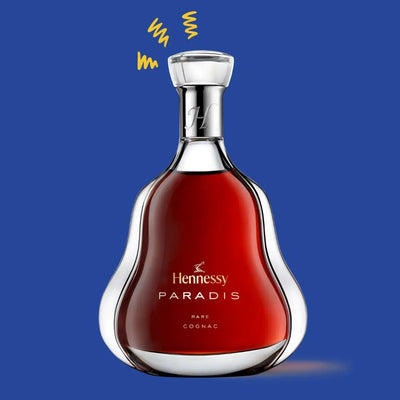
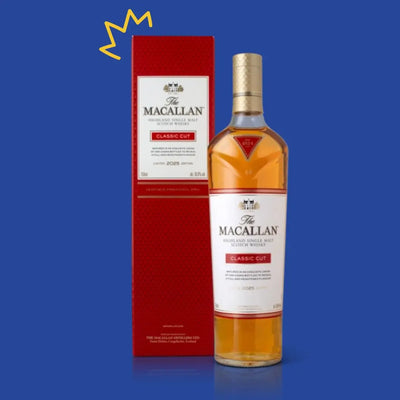
The world of spirits is particularly vast. Whisky, rum, gin, cognac, tequila, vodka, Armagnac, mezcal and liqueurs: each category has its own production methods, aromas, traditions and tasting styles. With so much diversity, it can be hard to know which are the best spirits to discover, to give or to keep in a collection.
The best spirit is not necessarily the most expensive or the rarest bottle. Above all, it is a balanced, expressive product suited to the tastes of the person who will drink it. The choice also depends on budget, the aromatic profile you are looking for, the occasion and how the bottle will be enjoyed.
In this guide, we help you better understand the main families of spirits, the quality criteria and the aromas to look for, so you can choose a bottle more precisely.
How to recognise a quality spirit
A quality spirit generally stands out for its balance, complexity and length of finish. When tasting, several things should be observed: the nose, the palate, the texture, the intensity of the flavours and the aromatic persistence.
The nose lets you identify the first aromas. A whisky may show notes of vanilla, caramel, smoke or dried fruit. A rum may recall banana, tropical fruit, spice or brown sugar. A gin will often be marked by juniper, citrus, herbs and botanicals.
On the palate, a good spirit should remain harmonious. The alcohol should not mask the flavours. The texture may be soft, round, oily, fresh or powerful depending on the style.
The finish refers to the aromas that linger after tasting. A long, precise and balanced finish is often a sign of quality. It may be woody, spicy, fruity, smoky or rich.
Our pick for this article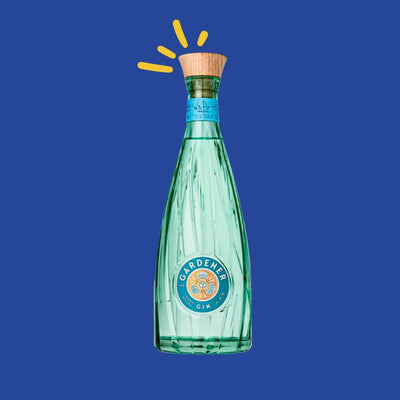
Whisky, an essential among the best spirits
Whisky is one of the most sought-after categories. There are several styles: single malt, blended whisky, bourbon, Scotch, and Irish, Japanese or French whisky.
Single malt is made from malted barley at a single distillery. It can offer a wide variety of aromatic profiles depending on the region, cask type and length of ageing.
Peated whiskies develop notes of smoke, ash, iodine or damp earth. They appeal to lovers of powerful, intense spirits.
Whiskies aged in sherry casks are often richer. They frequently show aromas of dried fruit, chocolate, walnut, cinnamon and spice, like many expressions from The Macallan.
Bourbon, produced mainly in the United States, is generally rounder and sweeter. Ageing in new oak gives it notes of vanilla, caramel, wood and sometimes coconut.
To choose the best whisky, you therefore need to consider the profile you want: smoky, fruity, spicy, woody or smooth.
Rum, between indulgence and complexity
Rum is another essential spirit. It can be made from molasses or sugar cane juice.
Agricultural rum, notably from the French Caribbean, is made from pure cane juice. It often offers vegetal, floral, spicy and fresh flavours.
Traditional molasses-based rum can have a richer profile, with aromas of caramel, vanilla, tropical fruit, ripe banana and brown sugar.
Cask ageing plays a major role. An aged rum can develop notes of oak, tobacco, cocoa, dried fruit and spice.
The best rums are not always the sweetest. Some favour power, freshness or complexity. It is important to distinguish rums made for sipping neat from those used in cocktails.
Gin, a spirit shaped by botanicals
Gin stands out for the compulsory presence of juniper. To this base are added various botanicals: citrus, coriander, roots, flowers, spices, herbs or local plants.
This creative freedom explains the variety of styles. Some gins are very dry and dominated by juniper. Others are more floral, fresh, fruity or spicy.
A balanced gin should reveal several aromatic layers without the alcohol or a single plant dominating too much.
Gin can be enjoyed neat, on ice or in a cocktail. The gin and tonic remains the most popular use, but the choice of tonic strongly influences the result.
As a gift, a craft gin with original botanicals can be an excellent option.
Cognac and Armagnac, symbols of French know-how
Cognac and Armagnac are among the best French spirits. They are made from distilled white wine, then aged in oak casks.
Cognac is often appreciated for its elegance, roundness and balance. Depending on its age, it can develop aromas of fruit, flowers, vanilla, wood, leather, tobacco and spice.
Armagnac generally has a more rustic, intense and expressive character. It can show notes of prune, dried fruit, cocoa, spice and old wood.
Ageing allows these brandies to gain complexity. The VS, VSOP and XO labels indicate minimum ageing periods, but they are not enough on their own to determine quality.
The producer's name, the terroir, the vintage and mastery of blending remain essential.
Tequila and mezcal, agave spirits to discover
Tequila and mezcal are both made from agave, but their production methods differ.
Tequila is made mainly from blue agave. It can be blanco, reposado or añejo depending on the length of ageing.
A tequila blanco highlights the freshness of the agave, with vegetal, peppery, lemony and mineral notes. A cask-aged tequila becomes rounder and can develop aromas of vanilla, caramel and spice, like the reposados from Clase Azul.
Mezcal is often smokier because the agave hearts are traditionally cooked in pits. It can show great complexity, with notes of smoke, earth, fruit, flowers and herbs.
These spirits are increasingly popular for their artisanal character and aromatic diversity.
Vodka, a spirit more complex than it seems
Vodka is sometimes considered neutral, but the best bottles have real texture and identity.
It can be made from wheat, rye, potato, corn or other raw materials. Each influences the roundness, softness, freshness and texture on the palate.
A quality vodka should be pure, balanced and pleasant to drink. It can offer slightly cereal, peppery, creamy or mineral notes.
It is suited both to sipping neat and to making cocktails.
The importance of ageing and cask type
Ageing is central for many spirits. The cask influences colour, aromas, texture and complexity.
A bourbon cask often brings vanilla, caramel, coconut and woody notes. A sherry cask can give aromas of dried fruit, chocolate, walnut and spice.
French oak generally offers finer, spicier and more structured notes, while American oak often brings more sweetness and vanilla.
Some distilleries also use casks that previously held wine, port, cognac or rum. These finishes create original aromatic profiles.
However, longer ageing does not automatically guarantee better quality. A spirit too marked by wood can lose freshness and balance.
Which spirits to choose for your budget?
The price of a bottle depends on many factors: length of ageing, rarity, limited production, the distillery's reputation, cask quality and availability.
With a moderate budget, you can find excellent whiskies, rums, gins or cognacs offering good value for money.
Between €40 and €80, the choice becomes particularly wide. There are many single malts, aged rums, craft gins and balanced cognacs.
Above €100, bottles may offer longer ageing, a limited edition, a particular vintage or rare production.
However, it is better to choose a bottle suited to the drinker's tastes than a prestigious spirit far removed from their preferred aromatic profile.
Which spirits to give as a gift?
When giving a spirit, consider the person's experience.
A beginner will generally appreciate a smooth, round and approachable bottle. An experienced enthusiast may look for more power, complexity or originality.
A fruity whisky, a rich rum or an elegant cognac are reassuring choices. For someone who loves cocktails, an aromatic gin, a premium vodka or a quality tequila will be more suitable.
Limited editions and award-winning spirits can also make lovely gifts, as long as you don't choose solely on the basis of a competition or a medal.
How to taste a spirit
Tasting should be done in a suitable glass, preferably narrowing at the top to concentrate the aromas.
Start by observing the colour, then smell the spirit without immediately putting your nose deep into the glass.
On the palate, a small amount is enough. Let it develop on the palate to identify the texture, flavours and finish.
A few drops of water can sometimes help release the aromas of a powerful whisky or rum. On the other hand, avoid a lot of ice if you want to analyse the aromatic profile precisely.
Conclusion
The best spirits are those that offer a balance between quality, personality, complexity and tasting pleasure.
Whisky, rum, gin, cognac, tequila, mezcal, vodka or Armagnac: each category offers very different profiles. The choice depends on the aromas you want, your budget, the occasion and the drinker's experience.
To select a bottle, it is essential to look at the distillery, the production method, the ageing, the cask type and the tasting notes.
A good selection of spirits should let you discover several styles, from the smoothest to the most powerful, from the fruitiest to the smokiest.
Find at Le Caveau des Pépites a selection of exceptional whiskies, tequilas, gins and spirits chosen for their quality, balance and aromatic richness.