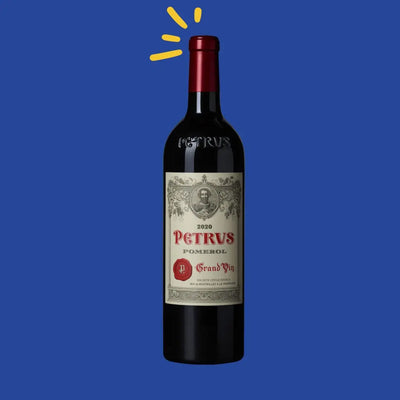
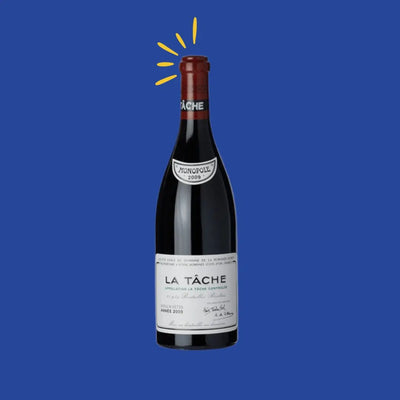
The vintage plays an essential role in the quality of a red wine. It is the year the grapes were harvested and helps you understand a bottle's style, ripeness, concentration and ageing potential. Depending on the weather, the harvest and ripening conditions, the same appellation can produce very different wines from one year to the next.
Choosing a good red wine vintage is therefore not just about looking for a famous year. You also need to consider the region, the estate, the grape, the structure of the wine and when you want to drink it. Some vintages are perfect for drinking now, while others need several years in the cellar to reach their peak.
What is a red wine vintage?
The vintage indicates the year in which the grapes were harvested. This information usually appears on the bottle's label. It places the wine in a specific climatic context.
The weather directly influences the vine. Heat, rain, drought, frost or hail can change the ripeness of the grapes, their acidity, concentration and balance.
A hot vintage often gives richer, more powerful and concentrated red wines. Black fruit aromas are generally more pronounced, with ample body and ripe tannins.
Conversely, a cooler vintage can produce elegant, taut and precise wines. Red fruit, freshness and acidity are then more present.
A great vintage generally rests on a good balance between ripeness, freshness, concentration and structure.
Our pick for this article
How to recognise a good red wine vintage
A good vintage does not depend only on how hot it was. Above all, the grapes must have been able to ripen in good conditions without losing their freshness.
Several criteria are important:
- the quality of the flowering;
- the absence of significant frost or hail;
- a sufficiently sunny summer;
- temperatures favourable to ripening;
- harvesting at the right time;
- healthy grapes.
On tasting, a good vintage often stands out for its balance, length, finesse and the quality of its tannins. The wine should have enough substance to evolve while keeping its freshness.
A successful vintage can be enjoyable young but also offer significant ageing potential.
The best vintages for Bordeaux reds
Bordeaux is one of the best-known regions for red wines for ageing. Great Bordeaux vintages are sought after for their structure, depth and ageing capacity.
On the Left Bank, particularly in the Médoc, Pauillac, Margaux and Saint-Estèphe, Cabernet Sauvignon plays an essential role. It brings tannins, freshness and good ageing ability.
On the Right Bank, in Saint-Émilion and Pomerol, Merlot gives rounder, supple and fleshier wines.
Great Bordeaux vintages are generally marked by even ripeness, strong concentration and quality tannins. They can be kept for several decades depending on the château and appellation.
To choose a bottle, it is best to consult vintage rankings, but also to check the estate's reputation. A difficult year can sometimes give very good results at the most demanding producers.
The best vintages for Burgundy reds
In Burgundy, Pinot Noir strongly expresses climatic variations. Each vintage can therefore have a very different personality.
Burgundy reds from a hot vintage are often riper, richer and more concentrated. They develop aromas of black cherry, plum and spice.
Cooler years generally give finer, more delicate and fresher wines, with notes of raspberry, redcurrant and flowers.
Great Burgundy vintages seek a balance between fruit ripeness, acidity and elegance. In the best appellations of the Côte de Nuits and Côte de Beaune, some Premiers Crus and Grands Crus can evolve for many years.
Burgundy nevertheless remains a region where the producer is particularly important. The estate, the plot and the winemaking method influence quality as much as the vintage itself.
Vintages for Rhône Valley reds
The Rhône Valley produces powerful, expressive red wines. In the north, Syrah dominates in appellations such as Côte-Rôtie, Hermitage, Cornas and Saint-Joseph.
In the south, Grenache is widespread in Châteauneuf-du-Pape, Gigondas and Vacqueyras.
Hot vintages often give concentrated, spicy wines rich in black fruit. Cooler years can offer more finesse, balance and freshness.
A great Rhône vintage generally combines good ripeness, structured tannins and lovely length. The best wines can be kept for a long time, especially in the great appellations.
Which vintage to drink now?
Not all red wines are made for long ageing. Some bottles reach maturity quickly and can be enjoyed after just a few years.
A light, fruity and supple wine will generally be ready sooner than a powerful, concentrated and tannic one.
To know when to drink a red wine, consider several factors:
- the appellation;
- the estate;
- the grape;
- the quality of the vintage;
- the level of classification;
- storage conditions.
Regional wines and more accessible appellations are often made to be drunk young. Premiers Crus, Grands Crus and top cuvées generally need more time.
The peak is when the wine reaches its best balance between fruit, structure and developed aromas.
Which vintages to keep in the cellar?
A red wine for ageing should have good acidity, solid tannins and enough substance.
The great wines of Bordeaux, Burgundy and the Rhône Valley can evolve for ten, twenty years or more depending on the vintage.
With age, red and black fruit aromas gradually give way to notes of leather, forest floor, tobacco, spice or truffle.
Storage is essential. A bottle should be kept at a stable temperature, away from light and vibration. Poor storage can damage the quality of a wine, even an excellent vintage.
Exceptional vintage or renowned estate: which matters more?
It is tempting to choose only a highly rated year. Yet the estate is often more important than the vintage.
A great producer can make a remarkable wine in a difficult year thanks to precise work in the vineyard and at harvest. Conversely, an exceptional vintage does not automatically guarantee the quality of every bottle.
The best approach is to combine several criteria: the estate's reputation, the quality of the vintage, the appellation, ageing potential and price.
For drinking now, a more accessible vintage can offer a lot of pleasure. For a long-term cellar, it is better to select a structured wine from a recognised estate, stored in good conditions.
Conclusion
The best red wine vintages are those that combine ripeness, freshness, balance and ageing potential. Bordeaux, Burgundy and the Rhône Valley regularly produce great years, but each region reacts differently to the weather.
To choose a good vintage, look at the harvest year, the weather conditions, the estate, the appellation and the style of the wine.
Some vintages are ready to drink, while others need to wait several years to reach their peak. A thoughtful selection lets you build a balanced cellar, with bottles to enjoy now and others to keep.
Find at Le Caveau des Pépites a selection of red wines from recognised vintages, chosen for their quality, balance and ageing ability.