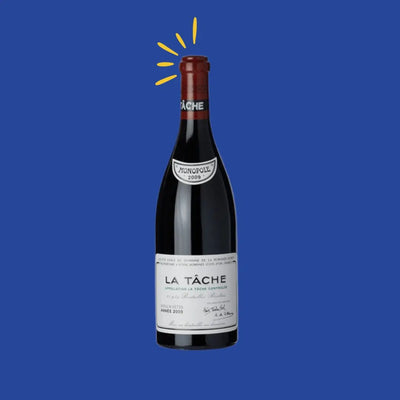
The wine market in 2026 is undergoing a profound transformation. After several years marked by speculation, inflation and post-pandemic logistical upheaval, the sector is entering a more rational and strategic phase. For investors and enthusiasts alike, wine news points to a return to fundamentals: quality, rarity and a long-term vision.
Changing global consumption
According to data published by the International Organisation of Vine and Wine, global wine consumption is declining slightly in volume. Several factors explain this:
- Economic pressure on purchasing power
- Changing habits among younger generations
- Greater sensitivity to health issues
However, this fall in volume hides a different reality: the average value per bottle is rising. Consumers are buying less but favouring premium cuvées, renowned estates and wines with a strong identity.
This move upmarket confirms a strong trend: wine is no longer simply a consumer product, but an experience and sometimes an investment.
Our pick for this article
Bordeaux: a correction that creates opportunities
The Bordeaux grands crus market is going through an adjustment. After the price surge between 2020 and 2022, some prestigious references such as Château Lafite Rothschild and Château Margaux have seen their recent vintages correct slightly.
This correction is explained notably by:
- Slowing Asian demand
- Post-Covid speculative overheating
- A normalisation of financial markets
For informed investors, this phase is a strategic window. Already recognised great vintages (2010, 2016, 2018) remain structurally solid, while some recent vintages are becoming more accessible, creating interesting entry points.
Bordeaux is thus once again a market for analysis and selection rather than impulse.
Burgundy: rarity and constant tension
By contrast, Burgundy remains under strong pressure. Extremely limited volumes and sustained international demand keep prices high.
Iconic estates such as Domaine de la Romanée-Conti and Domaine Armand Rousseau continue to attract collectors and investors from around the world.
The structural rarity of Burgundy's grands crus creates lasting tension on supply. Even in a more uncertain economic context, these references are often seen as safe havens within the wine market.
Burgundy thus confirms its status as an exceptional asset, hard to access but historically strong.
The impact of climate change on vintages
Wine news is also marked by the growing impact of climate change. Harvests are earlier, alcohol levels higher, and some historically cool regions are gaining ripeness.
In France:
- The Loire is producing more concentrated reds
- Champagne is benefiting from more consistent ripeness
- Some southern regions are adapting their grape varieties and farming practices
Internationally, countries such as England are rising fast in sparkling wine, taking advantage of more favourable conditions.
This climate shift is changing the global quality hierarchy and opening new investment prospects.
Wine as an alternative asset in 2026
In a volatile financial environment, wine is emerging as a tangible, reassuring asset. Unlike stock markets, a great bottle combines:
- Long-term wealth value
- An emotional dimension
- Medium- and long-term appreciation potential
Investors today are looking for:
- Iconic estates
- Cuvées produced in limited quantities
- Impeccable traceability
- Secure professional storage
The digitalisation of the market also makes trading easier: specialist platforms, certification, greater traceability and structured secondary markets are helping professionalise the sector.
The rise of organic wines and transparency
Alongside the grands crus, organic and biodynamic wines continue to grow. Consumers demand more transparency:
- Precise origin of the grapes
- Winemaking methods
- Environmental commitment
Estates' communication is evolving: storytelling, an emphasis on terroir and craftsmanship. Wine is becoming a narrative product, where the story counts as much as the tasting.
Conclusion: a more mature, more strategic market
The wine market in 2026 is not in crisis: it is changing.
Rapid speculation is giving way to a more analytical approach. Investors and informed enthusiasts now focus on:
- The estate's reputation
- The real quality of the vintage
- Ageing potential
- The depth of the secondary market
Wine confirms its unique position at the crossroads of passion, wealth and financial performance.