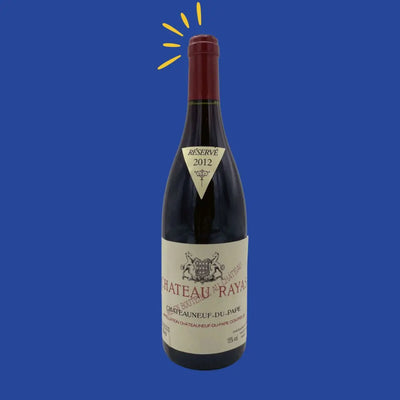
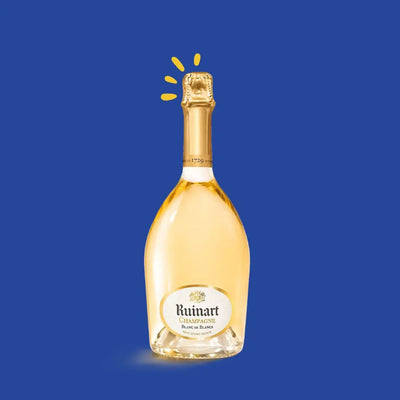
Barrel ageing is an important step in making many wines. An oak barrel is not just for storing wine before bottling. It acts directly on texture, tannins, aromas and complexity.
Depending on the origin of the wood, the age of the barrel, the toasting and the length of ageing, the result can be very different.
Understanding oak ageing therefore helps explain why some wines become rounder, suppler and more complex over time.
Why age wine in barrels?
A barrel allows the wine to evolve slowly.
Wood lets through a very small amount of oxygen.
This micro-oxygenation accompanies ageing and helps soften the tannins.
The wine can then gain roundness and balance.
This evolution is particularly useful for some structured red wines.
Our pick for this article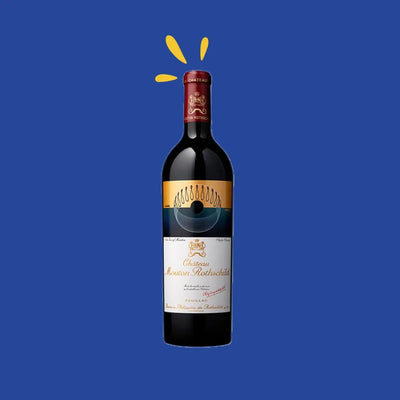
The role of micro-oxygenation
Micro-oxygenation is a very slow exchange between the wine and the air.
Unlike rapid oxidation, it happens gradually.
It helps tannins evolve and can make the texture suppler.
The colour of red wines can also become more stable.
This is one of the main advantages of oak ageing.
Which aromas does oak bring?
Wood can pass various aromatic compounds to the wine.
Common notes include vanilla, spice, toast, smoke, cocoa, mocha or cedar.
Some types of oak can also bring hints of coconut or caramel.
The aim is not to mask the fruit.
Good ageing seeks a balance between the wine's aromas, the terroir and the wood.
French oak or American oak?
The origin of the wood influences the final style.
French oak is often associated with finer, spicier aromas.
American oak can give more pronounced vanilla or coconut notes.
The grain of the wood also plays a role.
A fine grain generally allows a more gradual interaction with the wine.
The choice therefore depends on the grape and the style sought.
Barrel toasting
During barrel making, the inside of the barrel is heated.
This transforms the aromatic compounds of the wood.
A light toast can bring more discreet notes.
A medium toast often reinforces vanilla, spice and toastiness.
A heavy toast can add hints of smoke, coffee or caramel.
Toasting thus becomes a real winemaking tool.
New wood or old barrels?
A new barrel marks the wine more strongly.
It releases more aromas and wood tannins.
It therefore suits wines concentrated enough to handle this input.
A used barrel becomes more neutral.
It brings fewer aromas but still allows light micro-oxygenation.
Many producers combine new wood and older barrels to achieve greater balance.
Why do we often talk about 225-litre barrels?
The traditional Bordeaux barrique holds around 225 litres.
This size creates significant contact between wine and wood.
The effect of the oak is therefore more marked than in a large vessel.
In Burgundy, the traditional pièce holds around 228 litres.
These small barrels remain widely used for ageing great wines.
Barrique or foudre?
A foudre is much larger than a barrique.
It can hold several hundred or several thousand litres.
The ratio of wood to wine is therefore lower.
The aromatic influence of the oak becomes more discreet.
A foudre supports ageing while preserving more of the fruit and the expression of terroir.
How long does ageing last?
The length varies from wine to wine.
Some stay in barrel for only a few months.
Others may spend 12, 18 or 24 months there.
The longer the ageing, the greater the interaction with wood and oxygen.
But ageing that is too long can also mask freshness or tire the wine.
The producer must therefore monitor its evolution regularly.
Which grapes suit oak well?
Several grape varieties are often aged in oak.
Cabernet Sauvignon, Merlot, Syrah and Pinot Noir can gain suppleness and structure.
For whites, Chardonnay is one of the best-known examples.
Oak can give it more texture and complexity.
But not all wines need wood.
A light wine can lose its identity if it is too heavily oaked.
The risk of an over-oaked wine
Too much oak can become a fault.
Notes of vanilla, toast or smoke can dominate the fruit.
The terroir then becomes harder to read.
This is why many producers now seek more precise ageing, with less new wood or larger vessels.
The aim is to accompany the wine, not to transform it completely.
A real winemaking tool
Barrel ageing ultimately rests on several choices: the origin of the oak, the grain of the wood, the toast, the age of the barrel, the size of the vessel and the length of ageing.
Each decision influences the result.
When well managed, a barrel can bring roundness, suppleness, structure and complexity.
It never replaces the quality of the grapes or the terroir, but it can accompany the wine and help it find its balance before bottling.