Champagne is one of the most famous sparkling wines in the world, but its identity rests above all on the grape varieties used to make it. In the Champagne vineyard, three varieties dominate: Chardonnay, Pinot Noir and Meunier. Each has its own characteristics and directly influences the freshness, power, roundness and aromas of the wine.
Alongside these three main varieties are several old ones such as Arbane, Petit Meslier, Pinot Blanc and Pinot Gris. Though rarer, they contribute to the diversity and heritage of the Champagne appellation.
Chardonnay, Pinot Noir and Meunier: the three main grapes
Most champagnes are made from Chardonnay, Pinot Noir and Meunier. These grapes can be used alone or blended to create cuvées of very different styles.
Chardonnay is associated with finesse and freshness. Pinot Noir brings more structure and power. Meunier stands out for its fruit, suppleness and roundness.
Blending these varieties allows Champagne houses and growers to seek a precise balance between acidity, aromas and texture.
Our pick for this article
Chardonnay, the symbol of finesse
Chardonnay is the main white grape of the Champagne vineyard. It is particularly present in the Côte des Blancs.
It is prized for its natural freshness, finesse and ageing potential. Its aromas can recall citrus, apple, pear, white flowers or certain yellow fruits.
Over time, a Chardonnay-rich champagne can develop more complex notes of brioche, hazelnut or dried fruit.
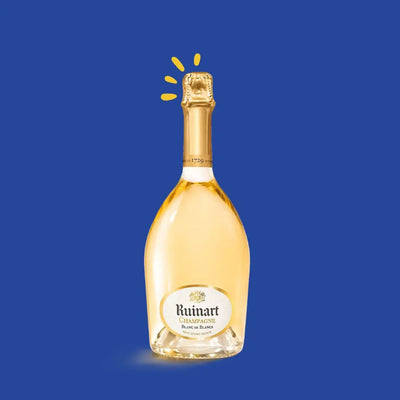
When a cuvée is made only from white grapes, it can be called Blanc de Blancs. These champagnes are often sought after for their elegance, tension and freshness.
Pinot Noir for structure and power
Pinot Noir is a very important black grape in the Champagne appellation, found notably in the Montagne de Reims and the Côte des Bar.
It brings structure, depth and body. Its aromatic profile can evoke strawberry, cherry, raspberry and other red fruits.
Although its skin is dark, its juice is clear. It can therefore produce a white champagne when pressing is done quickly and contact with the skins is kept to a minimum.
Pinot Noir also plays an important role in some Blancs de Noirs.
Meunier, a fruity and supple grape
Meunier is particularly associated with the Vallée de la Marne.
It often brings roundness and a fruity character to the wines. Its aromas can recall apple, peach, pear and various yellow fruits.
This variety is also well suited to certain aspects of the Champagne climate, making it an essential component of many blends.
Long less prominent than Chardonnay or Pinot Noir, Meunier now enjoys growing interest among champagne lovers.
Blanc de Blancs and Blanc de Noirs
The terms Blanc de Blancs and Blanc de Noirs give an important indication of the grapes used.
A Blanc de Blancs is made only from white grapes, mainly Chardonnay. It often offers a fresh, elegant and mineral profile.
A Blanc de Noirs is made from black grapes, mainly Pinot Noir and Meunier. It generally shows more roundness, structure and power.
These differences show how much the choice of grapes influences the final style of a cuvée.
The forgotten grapes of Champagne
The Champagne appellation is not limited to the three main varieties.
Arbane, Petit Meslier, Pinot Blanc and Pinot Gris are still found on some plots. These old varieties now occupy a very limited place in the vineyard, but they bear witness to its rich history.
Petit Meslier can bring liveliness and good acidity. Arbane is also known for its freshness. Pinot Blanc contributes more roundness, while Pinot Gris can enrich the aromatic profile.
Some cuvées now use these forgotten varieties to offer a more original expression of the Champagne terroir.
Terroir at the heart of Champagne's grapes
Champagne has several major winegrowing areas. The Côte des Blancs is emblematic of Chardonnay, the Montagne de Reims of Pinot Noir and the Vallée de la Marne of Meunier. The Côte des Bar is also strongly associated with Pinot Noir.
The cool climate, limestone soils and chalk influence the ripening of the grapes and help preserve their acidity.
Terroir therefore plays an essential role in how each variety develops its aromas and structure.
Understanding the grapes to choose your champagne
Knowing the grape varieties of Champagne helps you understand the style of a bottle before you even taste it.
Chardonnay will often suit those looking for freshness and finesse. Pinot Noir will be appreciated for its structure and power. Meunier will appeal more through its fruit and roundness.
Old varieties such as Arbane or Petit Meslier offer a glimpse of a rarer side of the Champagne vineyard.
Each bottle is the result of a balance between grape varieties, terroir, climate and blending. It is this diversity that makes champagne so rich.