Bordeaux grape varieties are among the most famous in the world. Merlot, Cabernet Sauvignon, Cabernet Franc, Sauvignon Blanc and Sémillon shape the identity of Bordeaux wines and explain the great diversity of styles produced in the region. Depending on the terroir, appellation and blend, a Bordeaux can be powerful, supple, fresh, complex or built for long ageing.
Merlot, Bordeaux's essential grape
Merlot is one of the most important grapes in the Bordeaux vineyard. It is particularly present on the Right Bank, notably in Saint-Émilion and Pomerol.
It generally brings roundness, suppleness and plenty of fruit. Its aromas often recall cherry, plum, blackberry and various red or black fruits.
When young, a Merlot-dominated wine can be quite approachable thanks to its soft tannins. On great terroirs, however, this grape can produce particularly deep, complex wines able to age for many years.
It is frequently blended with Cabernet Franc, which brings more freshness and finesse.
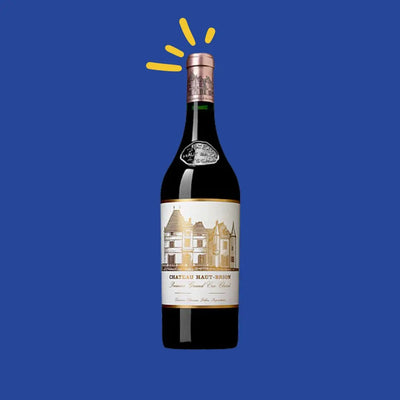
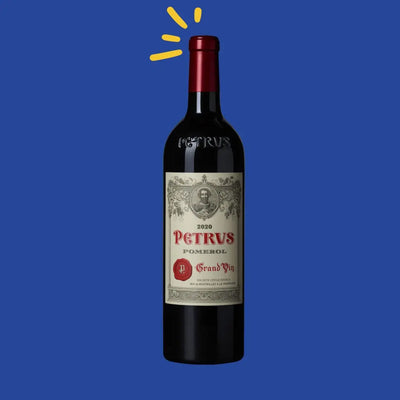
Our pick for this article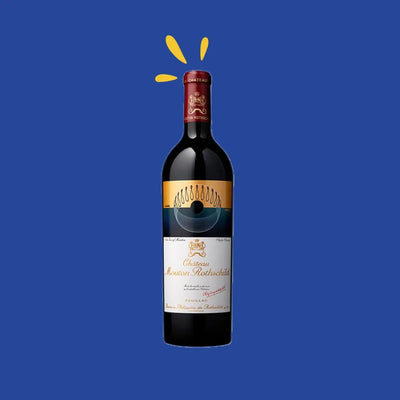
Cabernet Sauvignon: power and ageing potential
Cabernet Sauvignon is emblematic of Bordeaux's Left Bank. It is particularly present in the Médoc and Graves, and in prestigious appellations such as Pauillac, Margaux and Saint-Estèphe.
The grape is known for its structure and tannins. It can produce powerful, concentrated wines with significant ageing potential.
On the nose, Cabernet Sauvignon frequently develops aromas of blackcurrant, blackberry and black fruit, sometimes with spicy notes.
After a few years of ageing, more complex aromas of cedar, tobacco, leather or undergrowth can appear.
In a Bordeaux blend, Cabernet Sauvignon often provides the backbone of the wine, while Merlot adds roundness.
The role of Cabernet Franc
Cabernet Franc has a different style. It brings freshness, finesse and elegance to Bordeaux reds.
Its aromas can recall raspberry, red fruit, violet and certain spices. It is particularly interesting in Right Bank blends.
In Saint-Émilion, it can play an important role alongside Merlot. Its freshness balances the wine's richness while adding aromatic complexity.
Petit Verdot, Malbec and Carménère
Other red grapes are also permitted in Bordeaux.
Petit Verdot is often used in small proportions. It brings colour, tannin, power and spicy notes.
Malbec has become rarer in the Bordeaux vineyard, but it has a long history in the region. It can reinforce black fruit and structure.
Carménère is also a minor variety. It can bring peppery, spicy notes and fine aromatic intensity.
These grapes allow producers to complete their blends according to terroir and vintage.
Why are Bordeaux wines blended?
Blending is at the heart of the Bordeaux tradition. Combining several grapes makes it possible to seek a better balance.
Merlot generally brings roundness and fruit. Cabernet Sauvignon brings structure and ageing potential. Cabernet Franc brings freshness and finesse.
Petit Verdot can complete the whole with power and spice.
This complementarity also allows producers to adapt their wines to the conditions of each vintage.
The main white grapes of Bordeaux
Bordeaux also produces high-quality dry and sweet white wines.
Sauvignon Blanc is one of the main white grapes. It brings freshness, acidity and aromas of citrus, exotic fruit and sometimes white flowers.
Sémillon brings more roundness and texture. Over time, it can develop notes of honey, white fruit and dried fruit.
Muscadelle is usually present in smaller proportions, bringing floral aromas.
In Bordeaux white wines, Sauvignon Blanc and Sémillon are often blended to combine freshness and richness.
Sémillon and great sweet wines
Sémillon also plays a major role in Bordeaux's sweet wines, notably in Sauternes.
When conditions are right, the grapes can be affected by botrytis, or noble rot, which concentrates sugars and aromas.
The resulting wines can develop notes of honey, candied fruit, apricot, white flowers and spice, with remarkable ageing potential.
Right Bank and Left Bank: two Bordeaux styles
The differences between the Right Bank and the Left Bank are often linked to the mix of grapes.
On the Right Bank, Merlot generally dominates. Saint-Émilion and Pomerol wines are often characterised by roundness, fruit and suppleness.
On the Left Bank, Cabernet Sauvignon is more present. Médoc and Graves wines can offer more structure, tannin and power.
Terroir nevertheless remains essential. Soil, climate, exposure and the producer's work directly influence the final result.
Understanding the grapes to choose a Bordeaux
Knowing Bordeaux's grape varieties helps you understand a wine's style before you even taste it.
Merlot, Cabernet Sauvignon and Cabernet Franc dominate the reds, while Sauvignon Blanc, Sémillon and Muscadelle make up most of the whites.
Right Bank, Left Bank, Saint-Émilion, Pomerol, Médoc, Graves or Sauternes: each terroir gives a different expression of these grapes.
It is this diversity, combined with the art of blending, that allows Bordeaux wines to offer so many profiles, from red and black fruit to freshness, tannin, roundness, structure, elegance and ageing potential.