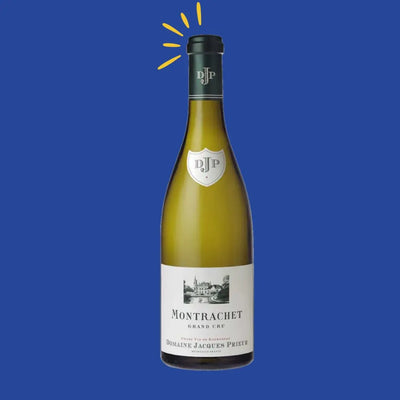
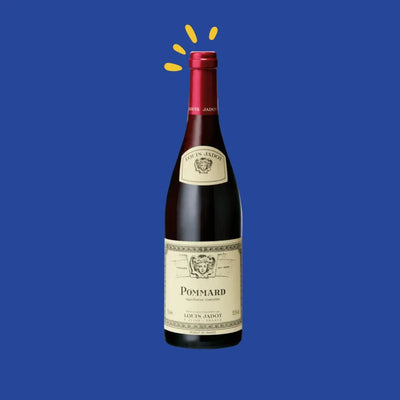
Burgundy is one of the most admired wine regions in the world. Its prestige rests on unique terroirs, highly fragmented plots and estates able to produce wines of great precision. In this region, the producer's name matters as much as the appellation, the vintage or the classification level.
Burgundy's best-known estates work mainly with Pinot Noir for red wines and Chardonnay for whites. From the Côte de Nuits to the Côte de Beaune and Chablis, some producers have become international references. Their bottles are sought after for their finesse, rarity and ageing ability.
Discovering the great Burgundy estates helps you understand why the region holds such a special place in French wine heritage.
Why does Burgundy have so many prestigious estates?
The Burgundy vineyard is organised around a precise hierarchy: regional appellations, village appellations, Premiers Crus and Grands Crus.
This classification rests mainly on terroir. A plot classified as Grand Cru is recognised for its exposure, soil, history and ability to produce exceptional wines. Several estates may own just a few rows of vines in the same appellation, which explains the great diversity of styles.
Burgundy is also characterised by limited production. Some cuvées amount to only a few hundred bottles per vintage. This rarity, combined with strong international demand, contributes to the prestige and high price of many Burgundy wines.
Our pick for this article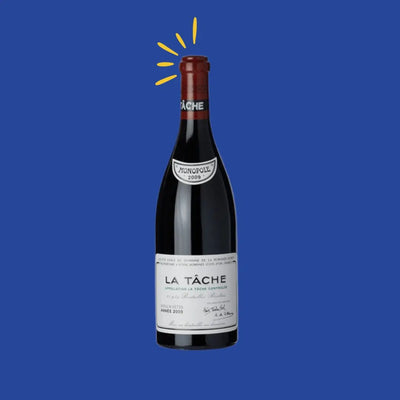
Domaine de la Romanée-Conti: a world reference
Domaine de la Romanée-Conti, often called DRC, is the most famous wine estate in Burgundy. Located in Vosne-Romanée, in the Côte de Nuits, it farms several of the most prestigious Grands Crus in France.
La Romanée-Conti, La Tâche, Richebourg, Romanée-Saint-Vivant, Échezeaux and Grands Échezeaux are among its best-known cuvées. The estate also produces white wines from Chardonnay, notably on the Montrachet terroir.
The estate's red wines are made mainly from Pinot Noir. They are renowned for their finesse, complexity, depth and great length. With age, they can develop aromas of red fruit, spice, flowers, forest floor and earth.
Extremely limited production turns every bottle into a collector's wine. Great vintages are particularly sought after at auction.
Domaine Leroy: rarity and intensity of terroir
Domaine Leroy is one of Burgundy's most prestigious estates. It owns vines in several major appellations of the Côte de Nuits and Côte de Beaune.
Its wines are known for their concentration, aromatic purity and intense expression of terroir. The estate practises demanding viticulture, with low yields and a great deal of manual work in the plots.
Domaine Leroy bottles are produced in small quantities. Their rarity explains their regular presence among the most expensive and sought-after Burgundy wines.
The estate shows how much the winemaker's craft can shape the identity of a Grand Cru or Premier Cru.
Domaine Leflaive: the excellence of Chardonnay
Based in Puligny-Montrachet, Domaine Leflaive is one of the great names of white Burgundy.
The estate produces several prestigious Chardonnay cuvées, notably Puligny-Montrachet, Chevalier-Montrachet, Bâtard-Montrachet and Bienvenues-Bâtard-Montrachet.
Domaine Leflaive wines are often described as precise, elegant, mineral and capable of long ageing. They can show aromas of citrus, white flowers, stone, hazelnut and butter.
The estate is also known for its commitment to biodynamics. This approach seeks to preserve soil life and strengthen the natural expression of each plot.
Coche-Dury: a legendary Meursault estate
Coche-Dury is one of the most sought-after producers in Meursault. Its Chardonnay white wines are renowned for their richness, tension and balance.
The estate produces several Meursault cuvées, as well as a particularly rare Corton-Charlemagne. The bottles are released in small quantities and quickly become hard to find.
Coche-Dury wines can develop notes of lemon, yellow fruit, hazelnut, stone and butter. Their structure allows them to evolve for many years.
The estate's reputation illustrates the importance of Meursault among the great appellations of the Côte de Beaune.
Raveneau and Dauvissat: the great estates of Chablis
In Chablis, the Raveneau and Vincent Dauvissat estates are considered major references.
Their wines are made from Chardonnay, but their style differs from the whites of Meursault or Puligny-Montrachet. Chablis are generally tauter, fresher and more mineral.
The Premiers Crus and Grands Crus from these estates can show aromas of citrus, white flowers, stone, oyster shell and dried fruit after a few years of ageing.
The low production and strong reputation of these producers make their bottles particularly sought after.
Armand Rousseau: one of the masters of Pinot Noir
Domaine Armand Rousseau is based in Gevrey-Chambertin, in the Côte de Nuits. It produces several prestigious Pinot Noir red wines.
Chambertin, Chambertin-Clos de Bèze and Clos de la Roche are among the estate's emblematic appellations.
The wines are appreciated for their finesse, purity and ageing ability. They often combine red fruit, spice, flowers, structure and great length.
Armand Rousseau is regularly cited among Burgundy's best producers. Its bottles have become rare and highly sought after by collectors.
Georges Roumier and Domaine Dujac
Domaine Georges Roumier, in Chambolle-Musigny, is famous for its elegant, deep red wines. Its Chambolle-Musigny, Bonnes-Mares and Musigny cuvées are among the most prestigious in the region.
Domaine Dujac, based in Morey-Saint-Denis, also owns several Premier Cru and Grand Cru plots. Clos de la Roche, Clos Saint-Denis and Échezeaux are among its best-known appellations.
These estates show that the quality of a Burgundy wine depends as much on terroir as on the producer's choices at harvest, in winemaking and during ageing.
The great Burgundy houses
Burgundy is not only home to small family estates. Several historic houses also contribute to its international renown.
Louis Jadot, Joseph Drouhin, Bouchard Père & Fils and Louis Latour offer a wide selection of wines, from regional appellations to Grands Crus.
These houses may own their own vines and also work as négociants, buying grapes or wines from partner growers.
Their larger production makes it possible to discover many Burgundy appellations, sometimes at more accessible prices.
How to choose a Burgundy estate
To select a Burgundy wine, do not rely solely on the appellation name. Several criteria should be considered:
- the estate's reputation;
- the classification level;
- the plot;
- the vintage;
- the rarity of the cuvée;
- ageing potential;
- storage conditions.
A Premier Cru from a great winemaker can sometimes offer more finesse than a Grand Cru from a less recognised producer.
To start with, it can be worth discovering the village appellations or regional cuvées of renowned estates before turning to the rarest bottles.
Why are Burgundy wines so sought after?
International demand for Burgundy wines is very strong. Yet production remains limited because of the small size of the plots and often low yields.
Frost, hail or drought can reduce a vintage's harvest even further. This rarity drives up the price of some bottles.
Wines from Domaine de la Romanée-Conti, Domaine Leroy, Coche-Dury or Armand Rousseau are particularly sought after at auction. Provenance, label condition and storage conditions then strongly influence their value.
Conclusion
Burgundy's best-known wine estates embody the excellence of Pinot Noir and Chardonnay.
Domaine de la Romanée-Conti, Domaine Leroy, Domaine Leflaive, Coche-Dury, Raveneau, Armand Rousseau, Georges Roumier and Domaine Dujac are among the most prestigious producers in the region.
Their reputation rests on exceptional terroirs, rare plots, limited production and know-how passed down through the generations.
Discovering these great Burgundy estates means exploring the Côte de Nuits, the Côte de Beaune, Chablis, Meursault, Puligny-Montrachet and Vosne-Romanée. It also means understanding why some bottles become collector's wines sought after around the world.
To go further: explore our selection of Burgundy wines, our Grands Crus and Domaine de la Romanée-Conti.