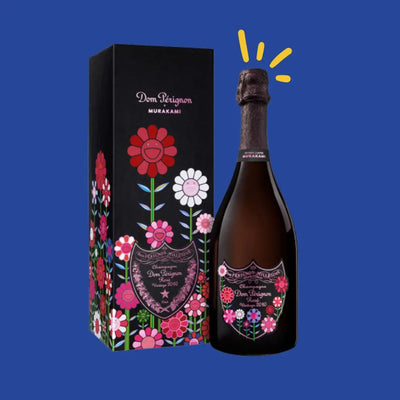
Dom Pérignon is today one of the most prestigious names in Champagne. Recognisable by its upmarket image and unique positioning, this vintage champagne owes its reputation to a precise philosophy: each cuvée seeks to express the character of a single harvest year. Chardonnay, Pinot Noir, blending, cellar maturation and ageing potential are at the heart of the Dom Pérignon identity.
But behind this iconic bottle there is also a long history, linked to Pierre Pérignon and the Abbey of Hautvillers.
The story of Dom Pérignon and Pierre Pérignon
The name Dom Pérignon refers to Pierre Pérignon, a Benedictine monk who worked at the Abbey of Hautvillers from the 17th century. He played an important role in improving the quality of Champagne wines, notably through grape selection and his work on blending.
Over time, his name became inseparable from the history of Champagne. The Abbey of Hautvillers remains one of the most symbolic places of this heritage.
Today, the Dom Pérignon house continues this search for balance and harmony through champagnes made only in years judged to be of sufficient quality.
Our pick for this article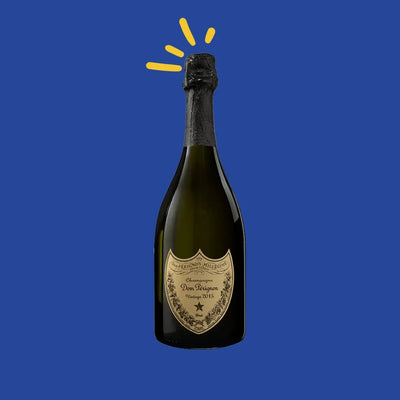
A champagne that is always a vintage
The great particularity of Dom Pérignon is that it is always a vintage. Each Dom Pérignon Vintage is made from grapes harvested in a single year.
There is therefore no non-vintage Dom Pérignon. The vintage becomes a true signature and directly influences the balance, freshness, aromas and structure of the cuvée.
Some years give sunnier, more generous profiles, while others produce tauter, more mineral or fresher champagnes. The cellar master's job is to interpret each harvest to build a blend true to the Dom Pérignon identity.
Chardonnay and Pinot Noir: two essential grapes
The Dom Pérignon blend rests on Chardonnay and Pinot Noir, two major grapes of the Champagne vineyards.
Chardonnay often brings freshness, finesse, minerality and a certain tension. Pinot Noir contributes more structure, power and depth.
The proportions vary with the vintage. The aim is to keep harmony between the two grapes while respecting the characteristics of the selected grapes and terroirs.
Many grapes come from Champagne Grands Crus, which contributes to the aromatic richness and ageing potential of the different cuvées.
Long maturation to develop complexity
Dom Pérignon also stands out for its extended maturation in the cellar. Time allows the champagne to evolve and develop greater aromatic complexity.
In its youth, a Dom Pérignon may show notes of citrus, yellow fruit, flowers or fresh fruit. Over the years, more evolved aromas of brioche, roasted notes, dried fruit and toast gradually appear.
The palate also gains depth. The bubbles become more integrated and the texture evolves, while generally keeping lovely freshness.
This maturation largely explains the ageing potential associated with the great Dom Pérignon vintages.
What is the Dom Pérignon style?
The Dom Pérignon style rests more on balance than on sheer power.
On tasting, you generally find a combination of freshness, finesse, texture and complexity. Minerality can bring a sense of tension while roundness balances the whole.
The aromas vary with age and vintage: citrus, yellow fruit, flowers, ripe fruit, buttery notes, roasted notes or toasty touches can appear in turn.
Length and aromatic persistence are also among the qualities sought by lovers of great champagnes.
Dom Pérignon Rosé, a more intense cuvée
Dom Pérignon Rosé offers a different expression of the house style.
Pinot Noir brings more depth, structure and character. You often find notes of red fruit, citrus, spice and sometimes flowers.
Despite this extra intensity, balance remains essential. Dom Pérignon Rosé thus keeps finesse, elegance and freshness while offering a more vinous and structured expression.
Dom Pérignon P2 and the idea of Plénitude
The concept of Plénitude is also inseparable from Dom Pérignon.
After several more years of maturation, some vintages reach a new stage in their evolution. Dom Pérignon P2 corresponds to this second Plénitude.
The wine then develops greater aromatic complexity, a different texture and additional intensity.
A third stage, called P3, can appear after several decades of ageing. These long maturation periods illustrate the exceptional ageing potential of some vintages.
Why is Dom Pérignon still so sought after?
Dom Pérignon combines history, prestige, terroirs, vintages and know-how. Each bottle results from a precise selection of grapes, a blend of Chardonnay and Pinot Noir and long maturation in the cellar.
Dom Pérignon Vintage, Dom Pérignon Rosé and Dom Pérignon P2 let you discover several expressions of the same philosophy.
Between freshness, finesse, elegance, minerality, aromatic complexity and ageing potential, Dom Pérignon continues to stand out as one of the essential references of vintage champagne. Discover our Dom Pérignon.